Understanding V-Belt Systems
V-belt systems are a critical component in many industrial and commercial applications. They are known for their efficiency in transmitting power between shafts in various machinery and equipment. These systems consist of V-belts and pulleys that work together to provide a smooth and reliable operation. The design of V-belts allows them to fit into the grooves of pulleys, ensuring traction and reducing slippage.
The importance of proper installation and alignment in V-belt systems cannot be overstated. Incorrect installation can lead to increased wear and tear, reduced efficiency, and even equipment failure. By following best practices for installation and alignment, you can significantly enhance equipment reliability and reduce downtime by ensuring smooth power transmission.
Applications and Uses
V-belt systems are used across a wide range of industries, from agriculture to manufacturing. Their ability to handle varying loads and provide efficient power transmission makes them ideal for applications in pumps, compressors, and industrial conveyors. No matter the industry, ensuring the correct installation of a V-belt system is crucial for optimal performance.
For those involved in equipment reliability, understanding the specific applications and characteristics of V-belts is key. These components are designed to operate under different tension and alignment settings, which must be tailored to the particular application.
Importance of Proper Installation
Proper installation of V-belts is vital to minimizing potential operational issues. Misaligned or improperly tensioned belts can lead to excessive noise, vibration, and premature wear. Performing precise downtime reduction measures through correct installation is fundamental to maintain the system’s integrity. Furthermore, it helps prevent costly repairs and extends the lifespan of both the belts and the accompanying machinery components.
With the varied techniques and considerations involved, partnering with knowledgeable professionals for the installation process is often beneficial. This approach ensures adherence to industry standards and maximizes the efficacy of the power transmission components.
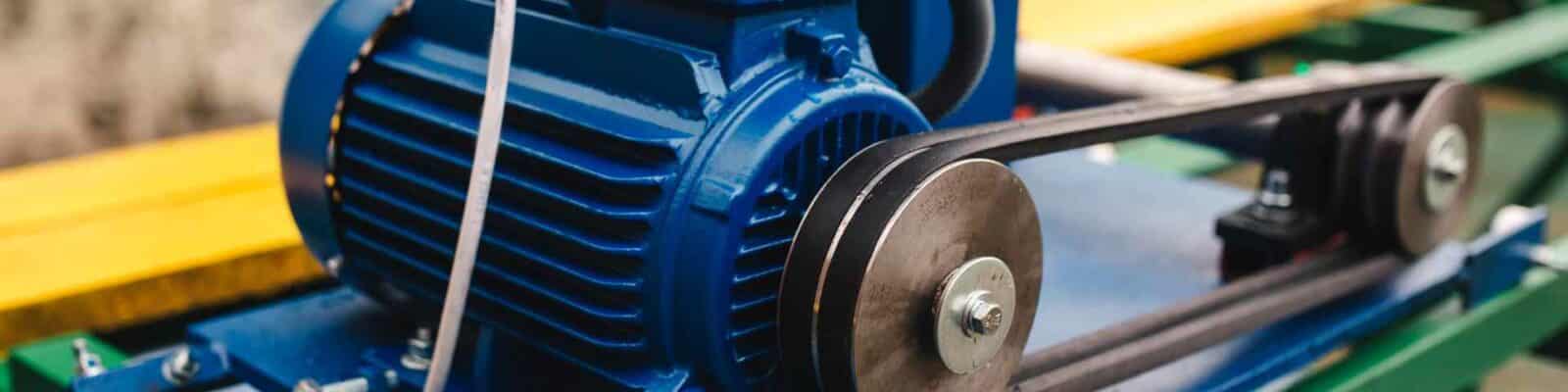
Close-up of V-belts and pulleys on an industrial electric motor setup.
Necessary Tools and Equipment
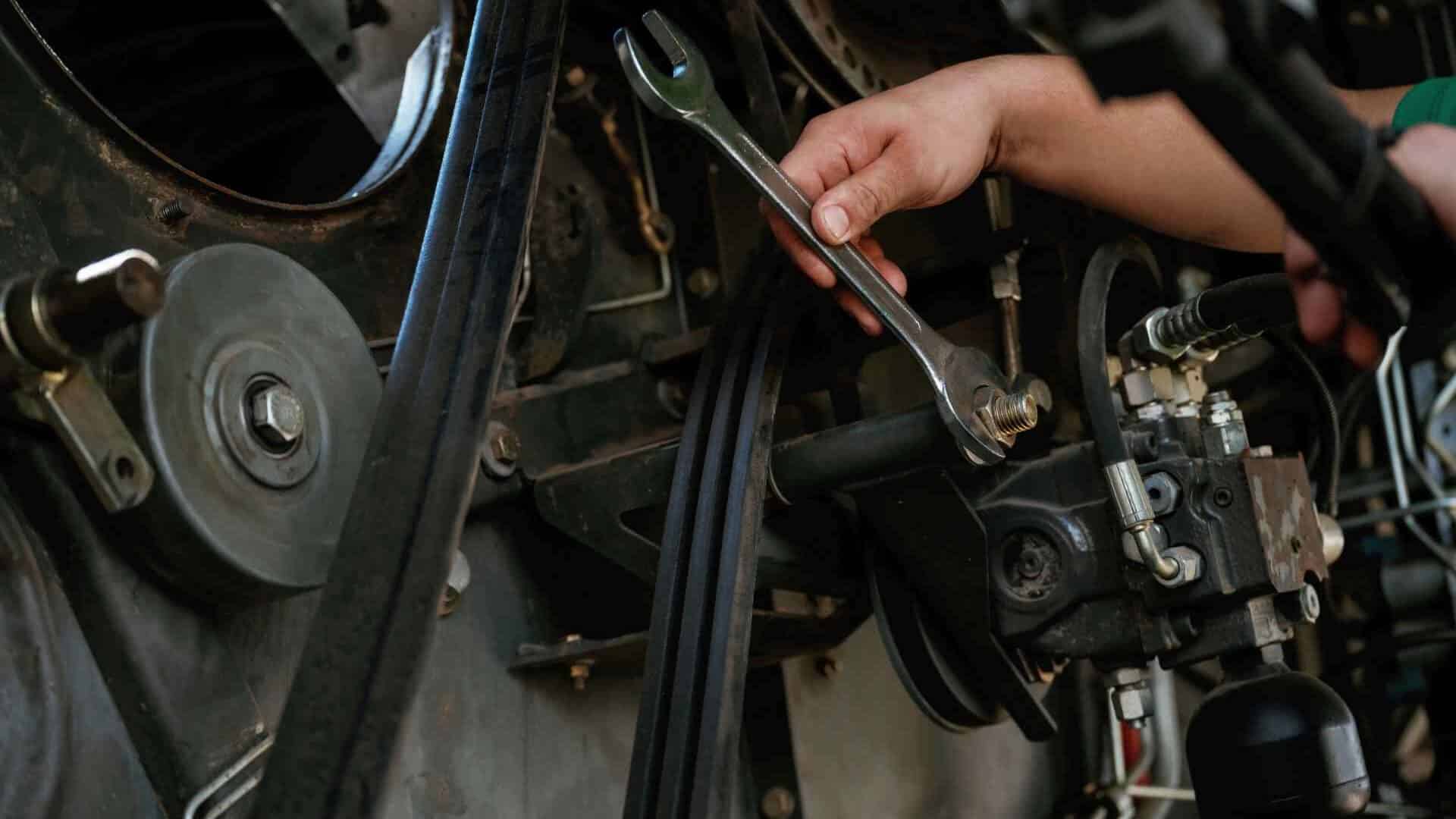
Installing V-belts requires a range of tools and equipment to ensure precision and effectiveness. Key tools include tension gauges, alignment tools, and adjustable wrenches. Using the right tools is critical to achieving proper industrial equipment maintenance and avoiding any mishaps during the setup process.
Besides these tools, knowing the specifications such as belt type, length, and pulley dimensions is essential in using V-belts correctly. Gathering this information beforehand facilitates a smoother installation process.
Step-by-Step Installation Process
The installation of V-belts should follow a systematic approach to ensure optimal performance. Start by carefully inspecting the pulleys and ensuring they are clean and free from any debris. Next, position the belt around the pulleys, making sure it lays evenly without twists or kinks.
Once it’s aligned, progressively adjust tension up to the recommended specifications outlined in the manufacturer’s guidelines. Testing the installation by running the machinery and verifying belt drive troubleshooting can help confirm everything is set up correctly.
Common Installation Mistakes
The most prevalent mistakes during V-belt installation include improper tensioning, misalignment, and neglect of component inspection. Introducing unnecessary variables like hastily skipped steps or using incorrect tools can compromise system functionality.
Additionally, it’s crucial to monitor the belts post-installation for any signs of premature wear, slippage, or vibration. Being proactive in addressing these issues can prevent long-term damage and maintain the equipment’s operational efficiency.
Measuring Belt Tension
Accurate measurement of belt tension is paramount to ensuring the longevity and performance of V-belts. The tension is typically measured using a belt tension gauge, which helps deduce the required torque necessary for optimal operation. This tool is critical for all professionals interested in preventive maintenance as incorrect tension can lead to increased wear and component failure.
Adjusting Tension Properly
Once you’ve measured the current tension, adjustments should be made according to the manufacturer’s standards. Over-tensioning can cause damage to the belts and pulleys, while under-tensioning may lead to slippage and reduced efficiency. To adjust the tension, follow specified adjustment procedures or use technologies like automatic tensioners where applicable.
For cutting tool selection and similar maintenance operations, ensuring the correct tension further enhances machine effectiveness, reducing the need for frequent interventions and operating disruptions.
Consequences of Improper Tensioning
Ignoring proper belt tensioning can result in numerous operational challenges. Belts that are too tight can cause excessive strain on pulleys and bearings, while loose belts often result in slippage, leading to increased wear and tear. Both situations can significantly reduce the efficiency of power transmission systems and elevate maintenance costs.
In the long term, improper tension may contribute to premature failure of machinery components and mechanical breakdowns. Regularly checking and adjusting belt tension is a simple yet critical practice to prevent such equipment failure.

Industrial workers inspecting heavy machinery, ensuring operational and safety standards.
Ensuring Proper Alignment
Ensuring that V-belts are correctly aligned is key to their longevity and functionality. Proper alignment minimizes vibration and unnecessary wear, thereby reducing equipment failure prevention efforts. Visual inspection and the use of alignment tools confirm that pulleys are parallel to the belt plane.
Poor alignment can not only shorten the lifespan of the V-belts but also contribute to bearing failure and other critical issues. Keeping everything correctly aligned mitigates these risks significantly.
Tools for Alignment
Several tools can assist in achieving precise alignment. Laser alignment tools provide high accuracy by projecting a laser beam across the pulley faces, while straight edge tools offer a practical solution for quick checks. Correct tool usage ensures alignment remains within the acceptable range.
Additionally, many organizations employ specialized alignment sensors that further enhance precision. Investing in these technologies pays off by extending the equipment’s operational life and reducing the incidences of misalignment-related failures.
Benefits of Correct Alignment
Correct alignment leads to smoother operations and can significantly amplify system efficiency. A correctly aligned belt system experiences less vibration and noise, enhancing overall operational outputs. Furthermore, it operates cooler, reducing the thermal load and extending the belt and machinery’s service life.
By maintaining proper alignment, businesses not only cut down on bearing and belt costs but also enhance power transmission capability, which is vital for a reliable and high-performing operation environment.
Routine Inspection and Maintenance
Routine inspections are fundamental for maintaining V-belt systems at peak performance. Regular visual checks and periodic assessments help in identifying potential issues early. Implementing consistent maintenance schedules can effectively extend equipment lifespan and improve overall machinery efficiency.
Fastenings and Connections
Careful attention to fastenings and connections is crucial to proper V-belt operation. Elements to monitor include:
- Check tension regularly: Regular tension checks ensure optimal pressure on the V-belts.
- Inspect for wear and tear: Look for signs of cracking or glazing on the belts.
- Lubricate moving parts: Proper lubrication reduces friction and enhances longevity.
- Ensure proper alignment: Consistent alignment decreases strain on belts and pulleys.
Maintaining these aspects directly impacts the overall efficiency of the machinery and reduces the need for corrective maintenance tasks.
Signs of Replacement Needed
Recognizing when a V-belt needs replacement is vital to avoid unexpected breakdowns. Common signs include visible wear, noticeable slippage, and frequent adjustments without improvement in performance. Observing these indicators can help reduce machinery downtime and avoid costly emergencies.
Routine checks and being vigilant about these signs ensure that V-belts operate smoothly and consistently deliver power across the machinery.

Safety officer discussing injury prevention with an employee in a warehouse setting.
Introduction to Predictive Maintenance
Predictive maintenance represents an advanced approach to managing V-belt systems through condition monitoring and performance forecasting. Such practices can significantly boost operational efficiency by preemptively identifying potential system failures before they occur. Employing this advanced technique helps streamline maintenance activities, reducing downtime and optimizing resources.
Monitoring Systems for V-Belts
There are several types of monitoring systems available:
- Automated inspection systems: Utilizes sensors to continuously monitor belt condition and performance.
- Remote monitoring applications: Enables off-site tracking of belt health and operational status.
- Data analysis for performance trends: Gathers and analyzes operational data for predicting failures.
- Alert systems for abnormal wear: Notifies of unusual patterns indicating belt degradation.
- Routine software updates: Ensures the monitoring systems operate efficiently.
- Integration with existing systems: Facilitates seamless operation across different equipment platforms.
Advantages of Advanced Techniques
Employing advanced techniques in V-belt monitoring significantly enhances the reliability and performance of mechanical systems. By leveraging accurate data-driven insights, companies can implement more proactive maintenance schedules, diminishing the likelihood of unexpected failures.
Furthermore, these techniques promote a lean manufacturing approach by ensuring minimal resource waste and facilitating ongoing improvements in industrial settings. Ultimately, this leads to better cost management and efficient utilization of all available resources.
Identifying Common Problems
V-belt systems, like any mechanical component, can present a few common issues. Being able to identify these problems early can be beneficial in choosing the right bearing solutions and maintaining system integrity. Here are the common challenges that users may encounter:
- Slippage issues: Occurs when the belt loses traction over the pulleys.
- Excessive vibration: Caused by misalignment or inadequate tension.
- Misalignment: When belts are not appropriately aligned with pulleys, leading to uneven wear.
- Unusual noises: Such as squealing, indicating potential tension issues.
- Frequent wear and tear: Suggests underlining maintenance or operational flaws.
Quick Fixes and Solutions
For minor issues, several quick fixes can be applied without necessitating the services of a professional. Adjusting belt tension, realigning pulleys, or even replacing worn-out parts can often resolve these issues. However, if problems persist, further analysis may be required to ensure a long-term solution.
Implementing these basic fixes can help maintain the efficiency of the V-belt systems and prevent minor problems from becoming significant operational challenges.
When to Call a Professional
Despite attempts at in-house solutions, there are instances where the expertise of a professional is advisable. Persistent issues, especially those that interfere with operational safety, warrant professional intervention. Consulting experts ensure that any hidden problems are identified and rectified before causing more severe complications.
In addition, professional support for complex systems ensures components are managed by individuals with the necessary expertise, thus safeguarding system functionality.
Frequently Asked Questions
For V-belt installation, essential tools include adjustable wrenches, belt tension gauges, and alignment tools. These tools ensure proper fit and tension, which are critical for optimal performance.
V-belts should be checked and potentially retensioned every 3 to 6 months, or following the manufacturer’s guidelines. Regular checks help maintain efficiency and prevent premature wear.
Signs of a worn-out V-belt include visible cracking, glazing on the surface, fraying edges, and persistent slippage. Regular inspections can help detect these early indicators.
Proper V-belt alignment is ensured by using alignment tools like laser guides or straight edges. These tools help maintain parallelism between pulleys, reducing the risk of misalignment.
The recommended tension for a V-belt varies depending on the manufacturer’s specifications. Generally, the tension should be sufficient to prevent slippage without causing excessive strain on the system.
V-belts can operate under a range of temperatures, but extreme conditions may require specialized belts rated for high heat or cold to maintain performance and longevity.
Extending the lifespan of V-belt systems involves regular maintenance practices, such as checking tension, ensuring proper alignment, and conducting periodic inspections to address wear and tear early.