Introduction to Equipment Reliability and Its Importance
Understanding Equipment Reliability
Equipment reliability is crucial for industries aiming to maintain optimal operational efficiency. It involves ensuring that machinery and equipment function as expected without unexpected failures. By focusing on equipment reliability, companies can prevent costly downtimes, enhance productivity, and extend the lifespan of their assets.
Where preventive maintenance strategies are implemented, reliability often improves significantly. This proactive approach ensures that potential issues are addressed before they escalate into major problems.
Correctly assessing industrial equipment maintenance needs is essential to implement effective reliability practices. This includes regular checks and comprehensive analyses to identify areas requiring improvement.
Impact on Operational Efficiency
Equipment reliability directly impacts operational efficiency, a critical factor for companies looking to stay competitive. Reliable equipment leads to fewer interruptions, ensuring production schedules are met without unnecessary delays. This uninterrupted workflow is vital for maintaining customer satisfaction and meeting delivery timelines.
Moreover, downtime reduction achieved through better reliability translates into significant cost savings. With fewer breakdowns, the need for emergency repairs diminishes, allowing maintenance teams to focus on strategic, long-term improvements.
Key Factors Affecting Reliability
Several factors contribute to equipment reliability, including the age of the equipment, environmental conditions, and the quality of previous maintenance work. Older machines might require more frequent monitoring due to wear and tear. Similarly, harsh environmental conditions can accelerate equipment degradation, necessitating specialized maintenance approaches.
Effective reliability stems from understanding the preventive maintenance needs of different equipment. By tailoring maintenance practices to the specific requirements of each asset, organizations can maximize their uptime and productivity.
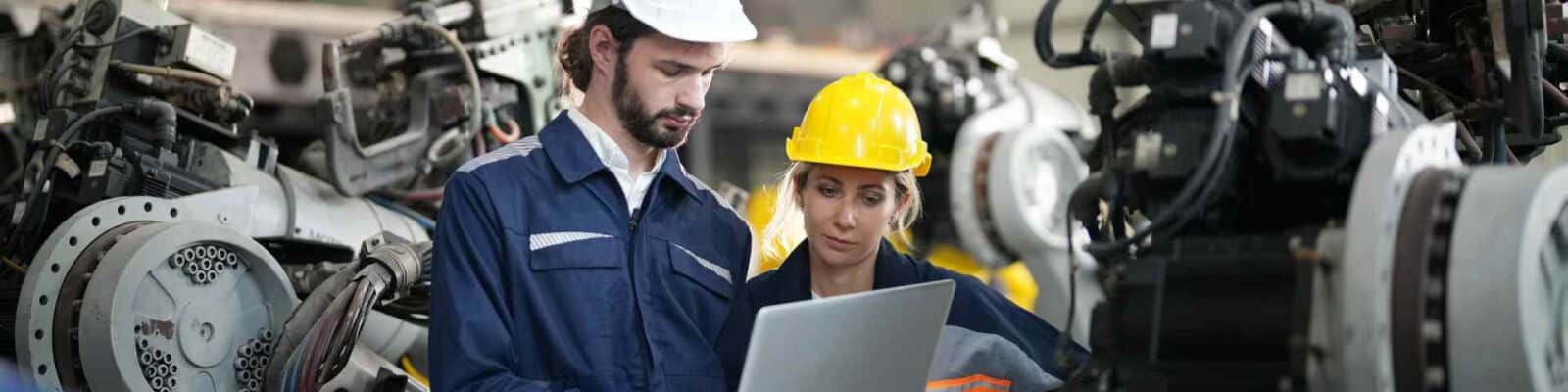
Industrial professionals discussing and assessing large machinery for maintenance needs.
Strategies for Maintaining Equipment Reliability
Preventive Maintenance Strategies
Preventive maintenance involves regular, routine care of equipment to prevent unexpected failures. This strategy is integral to improving equipment reliability by addressing potential issues before they become critical. It includes tasks such as lubrication, cleaning, and part replacements based on usage rather than breakdown.
Incorporating bearing failure analysis into maintenance routines can significantly enhance equipment reliability. Understanding bearing conditions allows for timely interventions to prevent severe malfunctions.
Predictive Maintenance Methods
Predictive maintenance uses data-driven insights to predict equipment failures before they occur. By analyzing real-time data, such as vibration analysis, temperature, and other operational characteristics, this method helps in planning maintenance tasks effectively.
Engaging in predictive maintenance can extend the lifespan of equipment, as it ensures repairs and parts replacements are carried out only when necessary.
Monitoring Equipment Health
Continuous monitoring of equipment is a key strategy to ensure reliability. It involves the use of sensors and advanced software to track equipment conditions constantly. This proactive approach enables immediate corrective actions, reducing the risk of unexpected breakdowns.
Implementing a comprehensive monitoring strategy provides valuable insights into machinery health, promoting better decision-making and maintenance planning.
Equipment Lifecycle Management and Monitoring
Understanding Lifecycle Management
Equipment lifecycle management focuses on the entire lifespan of equipment, from acquisition to disposal. By effectively managing each stage of an asset’s lifecycle, organizations can ensure peak performance and optimal use of resources. This involves not only maintaining equipment but also upgrading or replacing it when necessary to enhance reliability.
Effective lifecycle management can inform decision-making in industrial supply chain optimization, ensuring the right equipment is available at the right time with minimal disruption.
Lifecycle Stages
The lifecycle of equipment typically includes design, acquisition, operation, maintenance, and disposal. Each stage requires specific management practices to ensure equipment reliability and efficiency. The operational and maintenance phases are particularly critical, as they involve continuous monitoring and adjustments based on equipment performance data.
By understanding each lifecycle stage thoroughly, companies can proactively address potential challenges, leading to longer equipment life and reduced maintenance costs.
Benefits of Proactive Monitoring
Proactive monitoring offers several advantages that enhance equipment reliability:
- Reduces unexpected failures: Constant observation allows for immediate corrective actions.
- Improves maintenance planning: Data insights enable better scheduling of maintenance tasks.
- Enhances operational efficiency: Reduces downtime and increases productivity.
- Extends equipment lifespan: Timely interventions prevent excessive wear.
- Supports cost-effective operations: Ensures maximum return on equipment investments.
- Facilitates better resource allocation: Optimizes use of personnel and materials.
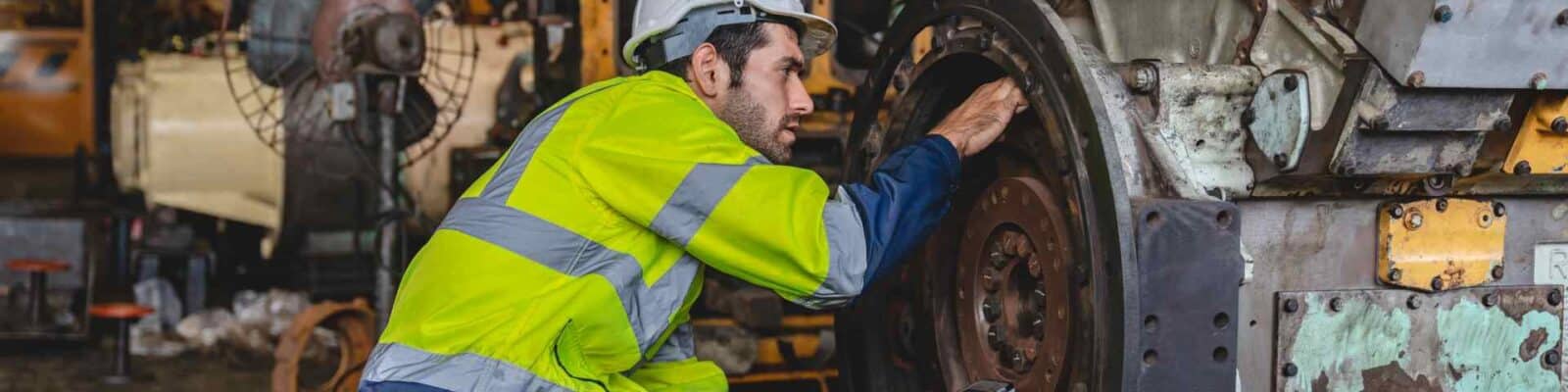
Maintenance worker with tablet inspecting a large industrial gear, emphasizing meticulous care.
Choosing the Right Tools and Techniques for Reliability
Essential Tools for Maintenance
Selecting the right tools is fundamental for effective equipment maintenance. Quality tools can drastically improve the efficacy of maintenance tasks, ensuring that even the most challenging jobs are completed with precision. Investing in well-crafted tools can greatly enhance reliability by reducing the time and effort needed for each maintenance task.
Tools selected should support high-level power transmission efficiency and be part of a complete maintenance kit that fits the specific requirements of your machinery.
Advanced Diagnostic Techniques
Advanced diagnostic tools enable precise assessment of equipment conditions, aiding in early detection of potential issues. Techniques like vibration analysis, thermography, and ultrasonics provide valuable insights into machine operations without interrupting the workflow.
Applying these techniques alongside v-belts and pulleys inspections helps in identifying misalignments and wear before they lead to failures.
Implementing New Technologies
Adopting new technologies can dramatically improve equipment reliability by offering advanced capabilities to monitor and manage assets:
- Integration with current systems: Seamless integration ensures smoother transitions.
- Initial cost vs long-term savings: Evaluate the long-term benefits against upfront expenses.
- Scalability of technology: Ensure that solutions can grow with your needs.
- Training requirements: Determine the level of training needed for effective use.
- Impact on industry standards: Align with existing industry benchmarks.
- Adherence to regulations: Compliance with local and international regulations.
Implementing a Reliability-Centered Maintenance Approach
Understanding RCM
Reliability-Centered Maintenance (RCM) is a process used to determine the maintenance requirements of complex systems in their operational context. By focusing on reliability, RCM aims to preserve system functions through a well-structured maintenance strategy.
This approach integrates seamlessly with operational efficiency enhancements and is vital for organizations aiming to optimize their maintenance processes.
Advantages of RCM
RCM offers numerous advantages, from improved reliability and operational efficiency to reduced maintenance costs. It encourages a systematic examination of all failure modes and their effects on system operation. Companies often see a significant boost in productivity and a decrease in downtime when implementing RCM.
Moreover, RCM supports choosing the right bearing solutions, which contributes significantly to the overall equipment reliability.
Steps to Implement RCM
Implementing RCM involves several steps that ensure effective integration into existing maintenance frameworks:
- Initial assessment and planning: Identify current processes and plan RCM integration.
- Identification of critical assets: Focus on assets most crucial to operations.
- Developing failure management policies: Create guidelines to handle failures efficiently.
- Implementing condition monitoring: Use real-time data to oversee asset conditions.
- Training and workforce engagement: Educate staff on new procedures and protocols.
- Continuous evaluation and improvement: Regularly assess the effectiveness of RCM strategies.
- Integration with business strategies: Align with overarching corporate objectives for maximum impact.
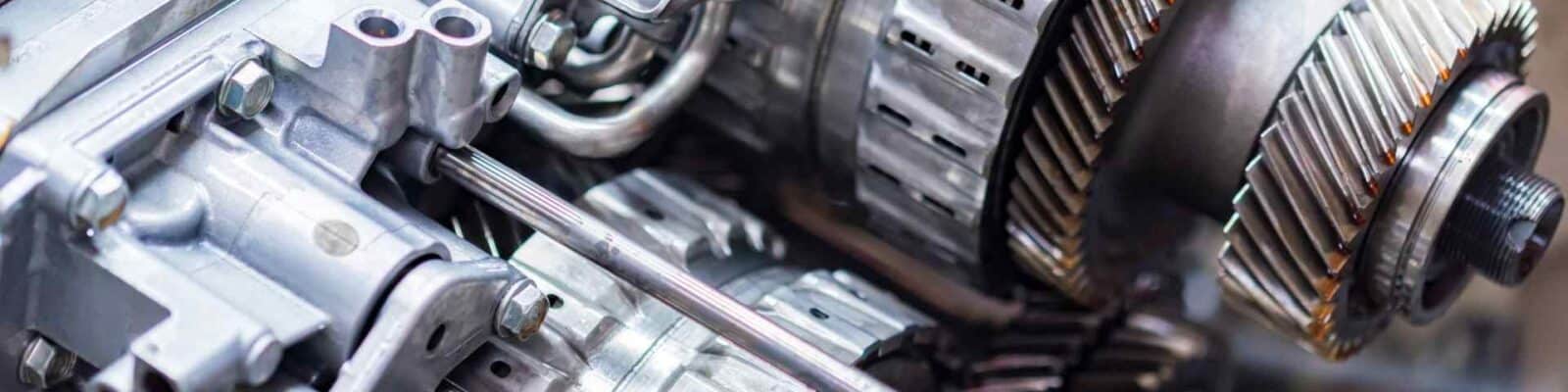
Detailed view of interconnected gears and mechanical components important for power transmission.
Future Trends in Equipment Reliability and Maintenance
Emerging Technologies
The future of equipment reliability is being shaped by emerging technologies such as the Internet of Things (IoT), artificial intelligence (AI), and machine learning. These innovations enable more precise monitoring and predictive analytics, offering unprecedented insights into equipment performance.
By embracing these advancements, businesses not only enhance reliability but also contribute to the development of workplace safety culture initiatives.
Impact of Industry 4.0
Industry 4.0 revolutionizes traditional manufacturing and industrial processes with smart technology. By integrating interconnected systems, industries can achieve higher levels of efficiency and reliability through enhanced data collection and analysis.
Further integration with material handling safety measures ensures both reliability and safety are enhanced concurrently.
Sustainable Practices in Equipment Management
Sustainability is increasingly becoming a focus in equipment management, with practices aimed at reducing environmental impact while maintaining high performance. Strategies such as energy-efficient technology and recycling programs are vital components of this sustainable approach.
Incorporating these practices into equipment management not only supports ecological goals but also aligns with warehouse safety best practices, contributing to an overall safer and more reliable industrial operation.
Frequently Asked Questions
Equipment reliability refers to the probability that a piece of equipment will perform its intended functions without failure under specified conditions for a designated period. Ensuring reliability involves regular maintenance, quality control, and strategic planning to prevent unexpected failures.
Preventing equipment failures involves implementing regular preventive maintenance routines, utilizing predictive maintenance technologies, and employing a comprehensive monitoring system. It also means addressing minor issues promptly before they lead to significant breakdowns.
Best practices for maintenance include adopting preventive and predictive maintenance strategies, using advanced diagnostic tools, and ensuring that all team members are well-trained in the latest technologies and techniques.
Predictive maintenance is important because it uses condition-based monitoring to predict equipment failures before they occur. This approach allows for timely interventions, thereby reducing downtime, enhancing reliability, and saving costs associated with sudden breakdowns.
Equipment reliability directly affects productivity by minimizing downtime and ensuring smooth operations. Reliable equipment allows for continuous production schedules without unexpected interruptions, leading to higher output and efficiency.
Essential tools for maintenance include quality hand tools for routine checks, advanced diagnostic equipment like vibration analyzers, and software for predictive analytics. These tools help ensure thorough maintenance processes that enhance reliability.
The lifecycle of industrial equipment consists of stages such as design, acquisition, installation, operation, maintenance, and disposal. Properly managing each stage is crucial for sustaining equipment reliability throughout its life.
New technologies improve reliability by offering better monitoring and diagnostic capabilities, enhancing predictive maintenance techniques, and providing real-time data analysis. These advancements enable more effective maintenance planning and execution.