Overview of Belt Drives
Belt drives are a critical component in many industrial applications, playing a vital role in the transmission of power between shafts. Their operational efficiency and reliability are crucial for the optimal performance of machinery. Understanding v-belts and pulleys is essential for effective belt drive troubleshooting, helping to minimize downtime and maintain productivity.
In any industrial setting, belt drives require regular attention to prevent unexpected failures. Proper preventive maintenance ensures that these systems run smoothly, avoiding potential disruptions in production lines. Hence, it is crucial to understand the significance of regular checks to identify and address minor issues before they become major problems.
Importance of Regular Checks
Regular inspection of belt drives can highlight potential wear and tear issues that, if not addressed timely, could lead to significant operational failures. This proactive approach helps in maintaining the effectiveness of power transmission elements and extends the lifespan of the machinery.
Implementing scheduled inspections as part of a comprehensive preventive maintenance program enables businesses to prevent costly breakdowns. Industrial operations heavily depend on select machinery components; therefore, regular checks ensure continued productivity.
Common Industrial Applications
Belt drives are commonly used across various industries, including manufacturing, automotive, and aerospace, due to their ability to transfer power efficiently and quietly. This versatility makes them an essential component in sectors where reliability and performance are paramount.
Industries such as agriculture and construction also rely on belt drives for different machinery and equipment. Each sector has unique requirements, emphasizing the need for tailored maintenance and troubleshooting strategies to optimize operations and ensure the longevity of the systems.
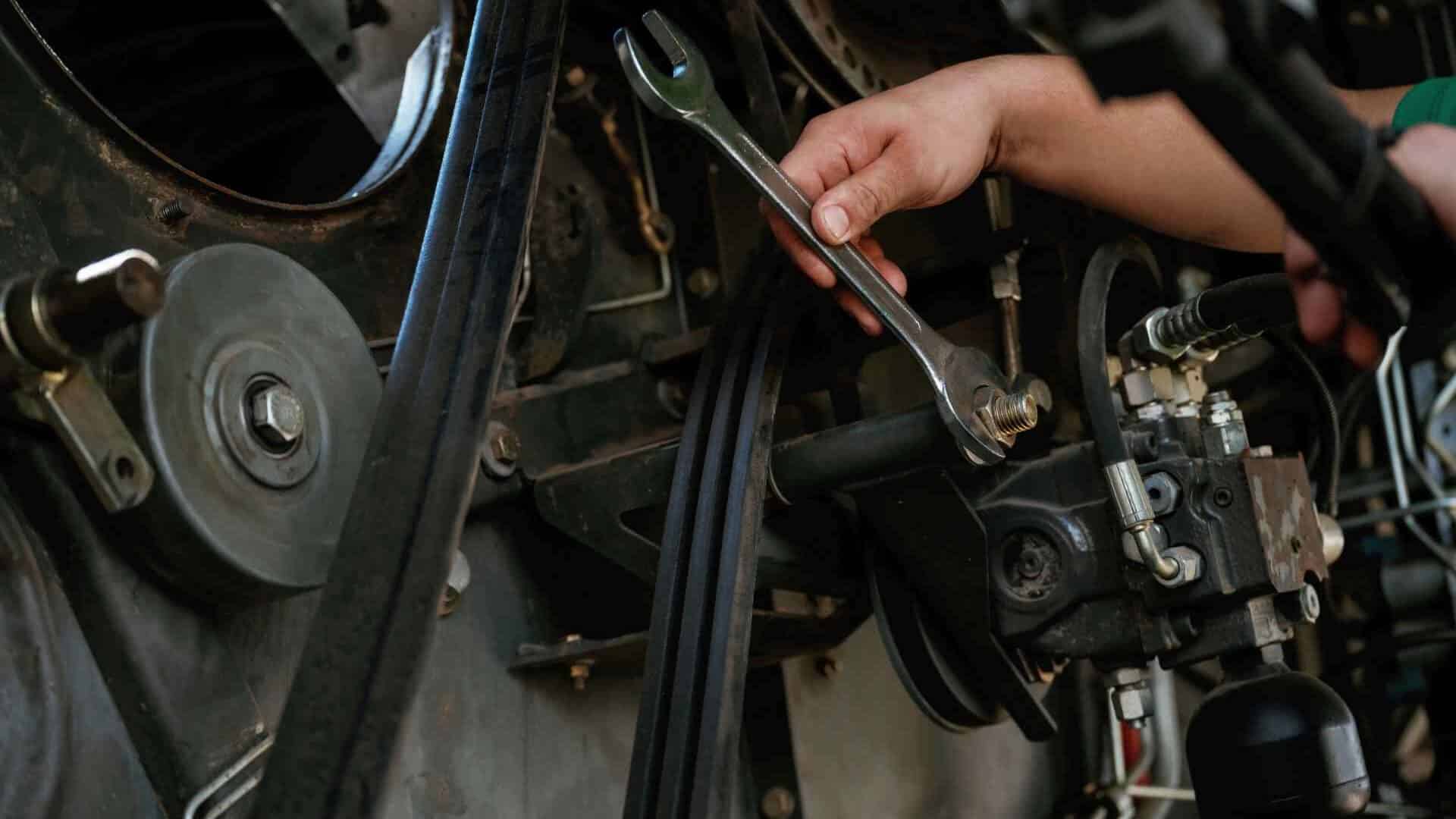
Mechanic hands-on, troubleshooting a complex belt drive system, ensuring operational efficiency.
Problem Diagnosis Techniques
To effectively troubleshoot belt drive systems, it is essential to accurately diagnose the problems. Various techniques, such as visual and manual inspections, can reveal issues like misalignment or improper tensioning. Utilizing advanced diagnostic tools can further aid in pinpointing problems, allowing for swift corrective action.
Regular inspections are a cornerstone for identifying both minor and major issues before they escalate. By systematically applying these equipment failure prevention techniques, industrial environments can achieve greater operational efficiency.
Frequent Issues
Common problems seen in belt drives can severely impact equipment performance.
- Misalignment: One of the primary causes of belt drive problems, misalignment can lead to increased wear and reduced effectiveness.
- Inadequate Tensioning: Incorrect tension can cause belts to slip or wear prematurely, affecting power transmission efficiency.
- Wear and Tear: Natural degradation occurs over time, making regular checks imperative to avoid abrupt failures.
- Belt Slippage: Slippage not only interrupts operations but also accelerates wear, necessitating immediate tension adjustments.
- Noise and Vibration: Excessive noise and vibrations are often signs of underlying issues such as misalignment or component failure.
Ignoring these issues can lead to serious malfunctions. Therefore, it is crucial to regularly assess components to ensure they function optimally.
Consequences of Neglect
Neglecting routine maintenance can result in severe consequences, including equipment failure that could lead to operational downtime and costly repairs. It also accelerates the wear of components, potentially causing irreparable damage.
Furthermore, neglecting belt drive maintenance could adversely impact the efficiency of connected systems, causing a ripple effect of inefficiency across an industrial operation. Therefore, implementing and adhering to a bearing failure analysis strategy is crucial for preventing detrimental outcomes.
Visual Inspection Routines
Implementing regular visual inspections as part of a maintenance routine can significantly aid in the early detection of belt drive issues. By examining components such as belts, pulleys, and related machinery, potential problems can be identified before they escalate.
Visual inspection should be conducted at scheduled intervals, looking for signs of wear, proper alignment, and adequate tension. This process not only enhances industrial equipment maintenance but also prolongs the life of the systems.
Using Diagnostic Tools
Advanced diagnostic tools are invaluable for comprehensive belt drive troubleshooting. Tools like vibration analyzers or laser alignment systems provide precise information on the condition of the belts and associated components.
Utilizing these technologies improves accuracy in diagnosing issues, ensuring that troubleshooting efforts are effective and minimize unplanned downtimes.
Step-by-Step Troubleshooting
Effective troubleshooting of belt drives involves a step-by-step approach. Begin by conducting a visual inspection to identify obvious issues, followed by measurements of belt tension and alignment.
Subsequently, use diagnostic tools to verify the initial findings. Once problems are identified, apply appropriate solutions such as realigning components or correcting tension to restore optimal function.
Integrating these steps into regular maintenance routines not only resolves current issues but also prevents future problems, enhancing overall power transmission efficiency.

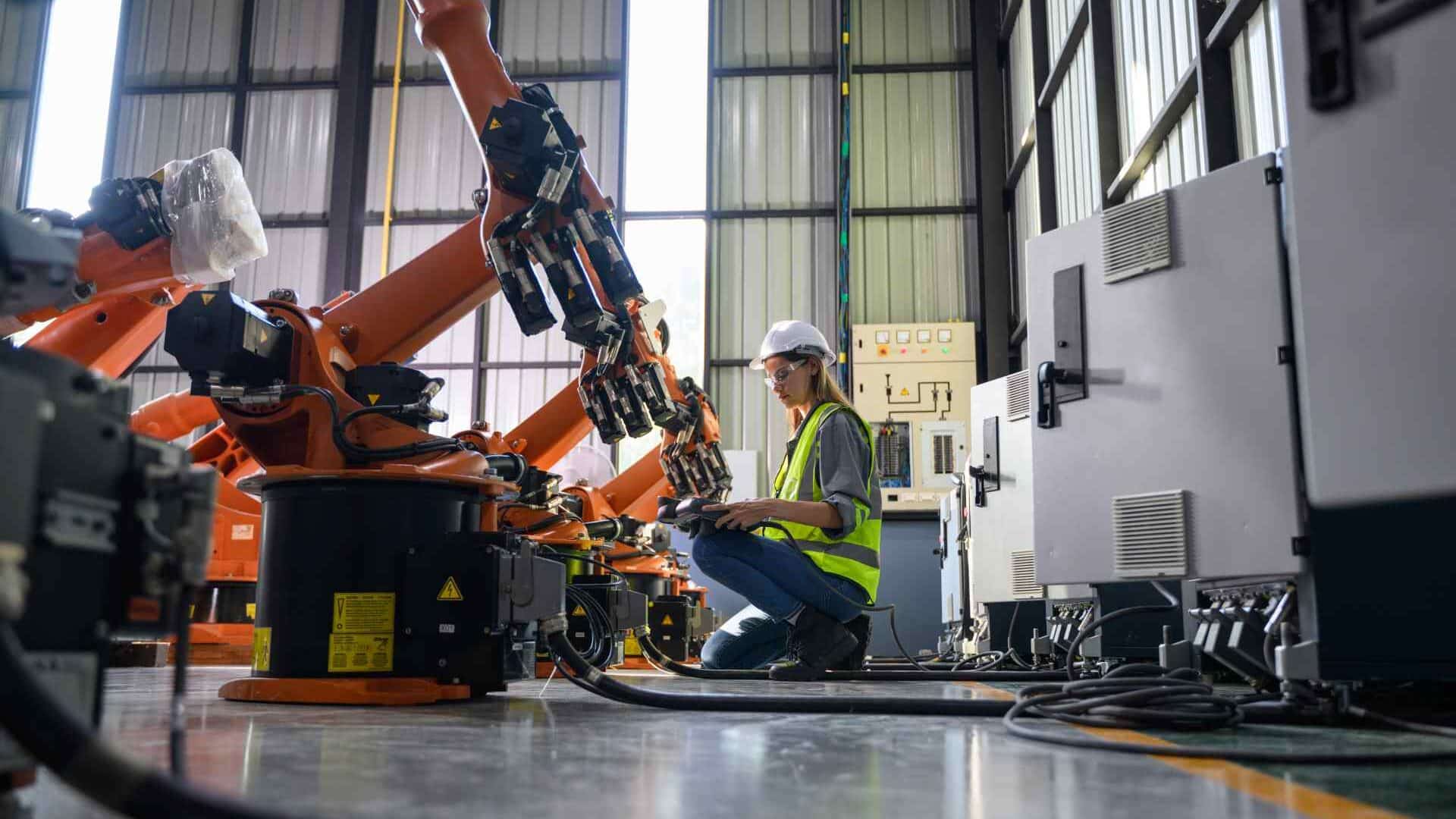
Industrial workers inspecting heavy machinery, ensuring operational and safety standards.
Alignment Techniques
Proper alignment is critical for the efficient function of belt drives. By ensuring alignment, the wear and tear on belts and pulleys can be minimized, enhancing their operational life.
Techniques such as utilizing a straightedge or laser alignment tools can ensure precision. Always follow manufacturer recommendations to maintain optimal system performance.
Proper Tensioning Methods
Achieving the correct belt tension is vital for preventing slippage and ensuring efficient power transmission. Utilizing tools like tension gauges can help in applying the exact force needed for optimal function.
Regular checks and adjustments ensure that belts operate within their designed parameters, avoiding potential failures due to inadequate tension.
Preventive Measures
Implementing comprehensive preventive measures is essential for the enduring success of belt systems. These include both regular and proactive strategies.
- Routine Inspections: Schedule regular checks to identify and remedy potential issues early.
- Component Replacement Scheduling: Set timelines for replacing worn components to prevent unexpected breakdowns.
- Lubrication and Cleaning: Ensure parts operate smoothly by following a regular cleaning and lubrication plan.
- Training and Safety Protocols: Equip staff with the necessary training to manage and troubleshoot systems effectively.
- Environmental Controls: Manage ambient conditions to optimize belt and machinery performance.
- Documentation Practices: Keep detailed records of inspections and interventions for ongoing assessment.
- Supplier Collaborations: Engage with suppliers for insights into the latest advancements in belt technology.
- Technology Upgrades: Incorporate new technologies to enhance system efficiency.
Extending equipment lifespan requires commitment to these preventive measures, reducing the risk of maintenance costs.
Case Study One
In a recent case study involving a manufacturing plant, effective troubleshooting strategies were implemented to address recurrent belt drive failures. The plant introduced a team dedicated to regular inspections and utilized state-of-the-art diagnostic tools to identify and resolve underlying issues.
Lessons Learned
The experience yielded several lessons that other companies can replicate to enhance their operational efficiency.
- Strategy Implementation: Implementing structured troubleshooting strategies led to early problem detection and resolution.
- Cost Reduction: The initiative significantly reduced repair costs due to fewer interruptions.
- Improved Efficiency: Overall system efficiency improved through consistent maintenance routines.
- Increased Safety: Safety measures were enhanced, mitigating risks of accidents due to mechanical failures.
Success Metrics
Statistical analysis following these changes showed a marked improvement in system uptime and decrease in downtime. By applying systematic troubleshooting and maintenance practices, the plant not only enhanced its operational efficiency but also saw significant downtime reduction.

A professional team around a table, discussing workflow improvements with a flowchart.
Emerging Technologies
The field of belt drive systems is evolving with the advent of new technologies. Innovations like smart belts equipped with sensors are enabling real-time monitoring of performance and automatic adjustment to optimize functioning.
Actively incorporating these developments in existing systems can vastly improve their reliability and efficiency.
Strategic Planning for Growth
Strategic planning is essential to leverage these technological advancements. Industries must continually reassess their strategies to incorporate cutting-edge developments for sustained growth.
Integration of these advancements will not only optimize current systems but also align with broader goals such as industrial supply chain optimization.
Sustainable Practices
Emphasizing sustainable practices is crucial as industries aim for greener operations. Choosing eco-friendly materials and implementing energy-efficient practices are central to this endeavor.
Cultivating a culture of sustainability aligns with lean manufacturing, enhancing both environmental responsibility and operational efficiency.
Frequently Asked Questions
Signs of a failing belt drive include unusual noises such as squealing or rattling, vibrations during operation, visible wear on belts, and noticeable slippage or misalignment.
Belt tension should be checked at least monthly to ensure optimal performance. However, frequency may vary based on usage intensity and specific equipment requirements. Routine checks prevent potential failures.
Useful tools for diagnosing belt drive issues include tension gauges, laser alignment tools, and vibration analyzers. These tools provide precise measurements and insights into the condition of belt drive systems.
Preventing belt drive system failures requires regular inspections, proper alignment, appropriate tensioning, using diagnostic tools, and maintaining a proactive approach to cleaner and safer operations.
Regular maintenance significantly reduces costly repairs and downtime. By investing in routine upkeep, businesses ensure long-term savings, enhanced productivity, and extended equipment longevity.
Environmental factors, such as extreme temperatures, exposure to chemicals, and poor air quality, can adversely affect belt drives. Implementing controls and protection measures is crucial for maintaining optimal performance.
Best practices for new system installations include following manufacturer guidelines, ensuring correct alignment and tensioning, conducting thorough inspections post-installation, and keeping documentation for future reference.