Understanding Workplace Injury Prevention
Workplace injury prevention is a critical component of industrial safety. It involves implementing strategies and practices aimed at reducing the risk of accidents in the workplace. A strong focus on prevention can significantly reduce employee injuries, improve productivity, and boost morale. To effectively prevent workplace injuries, it’s essential to understand common risks and implement systematic approaches tailored to meet the specific needs of the environment.
The importance of injury prevention in the workplace cannot be overstated. Not only does it protect individual workers, but it also safeguards the business from potential liabilities associated with workplace accidents. Proactive strategies in injury prevention enable businesses to maintain a safe working environment while complying with industry standards.
Addressing workplace hazards starts with recognizing the variety of risks present in different settings. Common workplace hazards include:improving workplace safety culture, industrial safety training, and other dangers that vary depending on the industry and its specific processes. By understanding these hazards, businesses can develop targeted prevention plans.
The Importance of Safety Protocols
Safety protocols play a pivotal role in workplace injury prevention. They serve as guidelines designed to minimize risk and handle incidents when they occur. Organizations should regularly review and update these protocols to ensure they meet current safety standards and the specific needs of their industries.
Having strong safety protocols in place supports a culture of safety among employees. Workers who are aware of proper procedures are better equipped to prevent accidents and respond effectively if an incident occurs.
Common Workplace Hazards
Common workplace hazards are present in various forms, each requiring specific strategies to mitigate. Physical hazards, such as poorly maintained equipment or inadequate ventilation, can cause serious injuries. Chemical exposures are also significant in many industries, where substances used in production or maintenance pose health threats if not properly managed.
Additionally, ergonomic hazards related to workstation design can contribute to long-term musculoskeletal injuries. Addressing these hazards involves not only identifying potential risks but also implementing comprehensive safety training programs that highlight the appropriate use of safety equipment and emergency procedures.
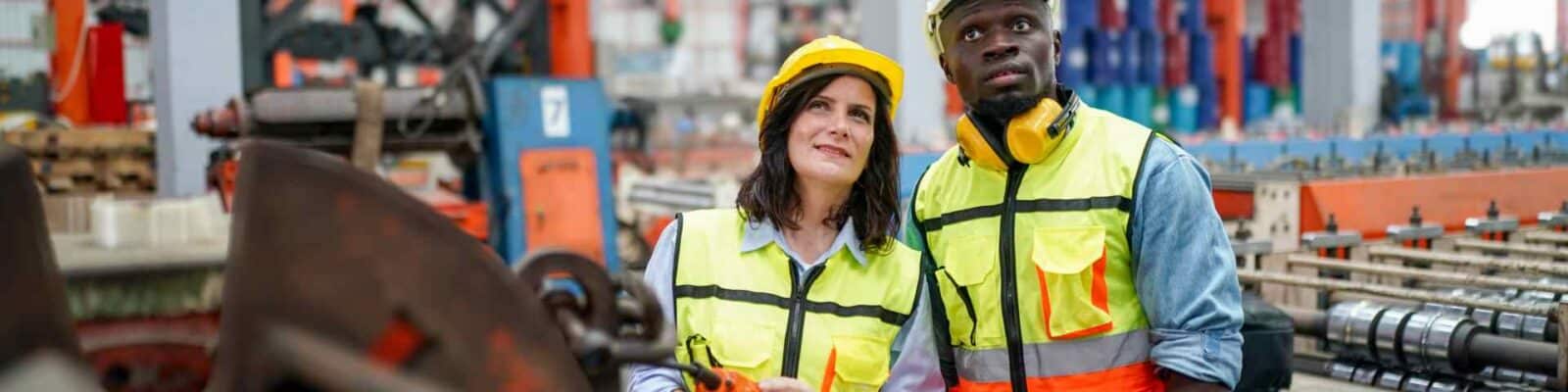
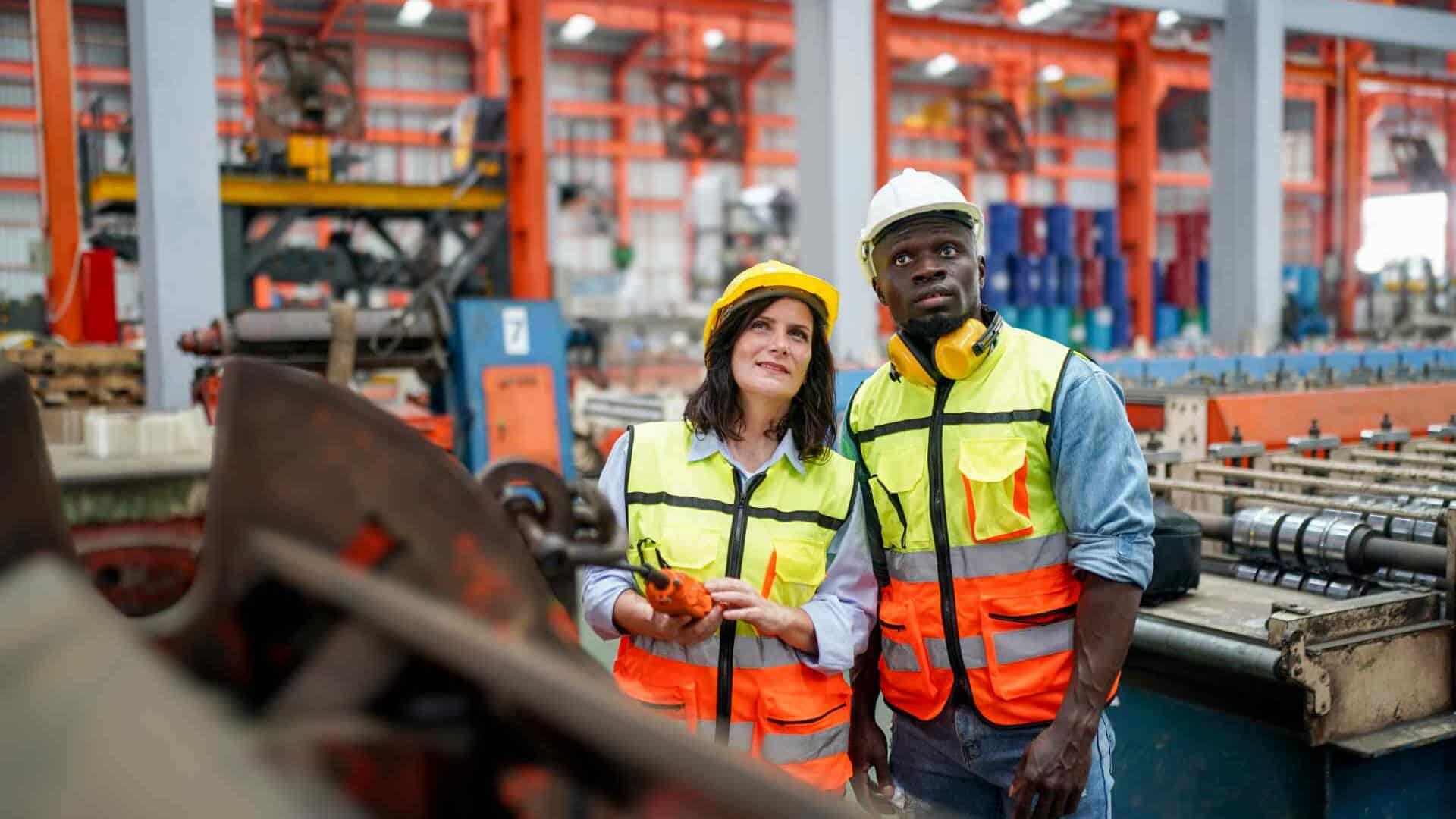
Industrial workers inspecting heavy machinery, ensuring operational and safety standards.
Developing a Safety Culture
A robust safety culture in the workplace fosters an environment where employees prioritize safety as a core value. This culture begins with leadership commitment and cascades throughout the organization. Leaders must set an example by strictly adhering to safety protocols, encouraging open communication about safety issues, and ensuring adequate resources are allocated for safety initiatives.
By integrating safety into the organizational values, it becomes a shared responsibility among all employees. Regular safety meetings and communications help reinforce the importance of maintaining a safe work environment.
Key Practices for Injury Prevention
Implementing best practices is essential for reducing workplace injuries. Key measures include:
- Regular safety training sessions: Keep employees informed about the latest safety procedures and technology.
- Conducting workplace safety inspections: Identify and mitigate potential hazards before they cause harm.
- Establishing clear emergency procedures: Ensure everyone knows how to respond in case of an emergency, effectively reducing panic and confusion.
- Implementing proper use of PPE: Require correct personal protective equipment which is critical for protecting workers from specific job hazards.
- Maintaining equipment and tools: Regular maintenance prevents equipment malfunctions that could lead to injuries.
- Promoting effective communication: Foster an environment where safety concerns can be raised without fear of reprisal.
Promoting a proactive approach where all employees contribute to the identification and management of risks can greatly enhance workplace safety.
Creating Awareness Among Employees
Building awareness is a vital part of workplace injury prevention. Employees should be knowledgeable about the risks associated with their specific duties. This can be achieved through educational programs and regular awareness campaigns that highlight both general and industry-specific hazards.
Such initiatives are vital in nurturing an environment where safety is everyone’s responsibility. Engaged employees are more conscientious about following safety protocols and are more likely to take corrective action without delay. Establishing an open dialogue encourages reporting of hazards, which in turn initiates prompt corrective measures, keeping everyone safer.
Additionally, aligning workplace safety with OSHA compliance and understanding warehouse safety best practices contribute to a safer and more productive workplace.
Understanding Workplace Injuries
Understanding the nature of workplace injuries helps in crafting prevention strategies tailored to specific environments. Workplace injuries can vary widely depending on industry, tasks, and environmental factors. Resources dedicated to employee training and risk assessment can play a crucial role in minimizing these incidents.
Awareness of potential risks and dedicated safety measures can prevent common injuries such as slips, falls, and equipment mishaps. By addressing these concerns proactively, the overall safety of the workplace is bolstered.
Types of Common Accidents
Accidents in the workplace are often classified into several categories, each with unique causes and prevention measures. Common types include slips, trips, falls, and repetitive strain injuries. Addressing the causes of these accidents requires a detailed understanding of potential environmental factors, such as cluttered floors or poorly maintained equipment.
Another category includes machinery-related incidents, which can result from inadequate maintenance or improper use. By focusing on risk reduction strategies like regular equipment checks, businesses can mitigate these accidents effectively.
Statistical Overview of Workplace Injuries
Statistics on workplace injuries provide valuable insights into areas requiring attention. By analyzing data, businesses can identify trends and develop strategies for prevention. The implementation of comprehensive training and monitoring systems ensure workplace safety improvements are continuously adapted to meet emerging challenges.
Understanding historical data empowers safety professionals to develop more accurate risk assessments and tailor safety programs accordingly. Such data also supports appropriate resource allocation towards the most pressing safety concerns.
Additionally, focusing on technologies that support PPE personal protective equipment awareness and enhancing equipment failure prevention strategies is integral in reducing injury rates.
Overview of OSHA Regulations
The Occupational Safety and Health Administration (OSHA) sets rigorous standards aimed at ensuring workplace safety across various industries. These regulations cover multiple aspects of safety from equipment management to employee training requirements. Compliance with these standards is mandatory, promoting the creation of safer work environments.
By adhering to OSHA guidelines, companies demonstrate their commitment to protecting employees from work-related injuries. Careful analysis of OSHA regulations helps businesses align their internal safety protocols with national standards, achieving both safety and operational efficiency.
Compliance Requirements
Compliance with OSHA regulations includes adhering to specific job safety procedures and maintaining accurate records of incidents and inspections. Businesses are required to develop and implement safety protocols reflecting these requirements.
Failure to meet these standards can result in significant penalties, emphasizing the need for compliance. Structured training sessions and regular audits aid in maintaining adherence to these regulations, ensuring a cohesive approach to workplace safety.
OSHA’s Role in Workplace Safety
OSHA plays an instrumental role in enhancing workplace safety through various initiatives:
- Setting safety standards: Guidelines are established to guide safe practices across industries.
- Conducting inspections: Regular inspections ensure compliance and identify areas needing improvement.
- Providing safety training: Workshops and resources allow employees to understand and follow safety standards.
- Offering guidelines for safety management: Comprehensive guidance is provided to manage workplace safety effectively.
- Promoting worker education: Encouraging learning about safety enhances overall workplace consciousness.
- Ensuring accountability through penalties: Non-compliance is met with penalties, promoting adherence and improvement.
Understanding the components of OSHA standards and practicing lockout tagout LOTO procedures will ensure compliance and uphold safety.
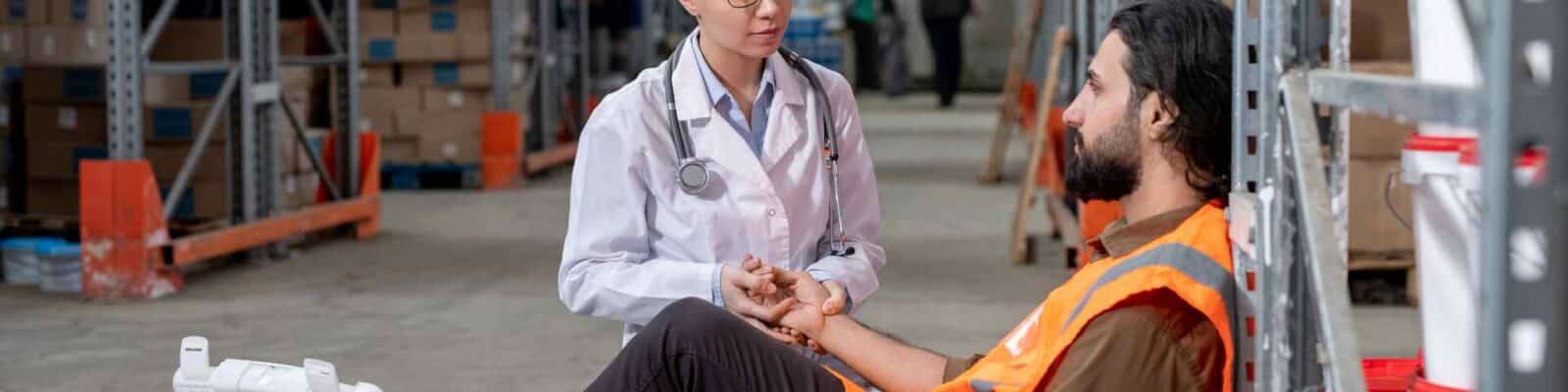
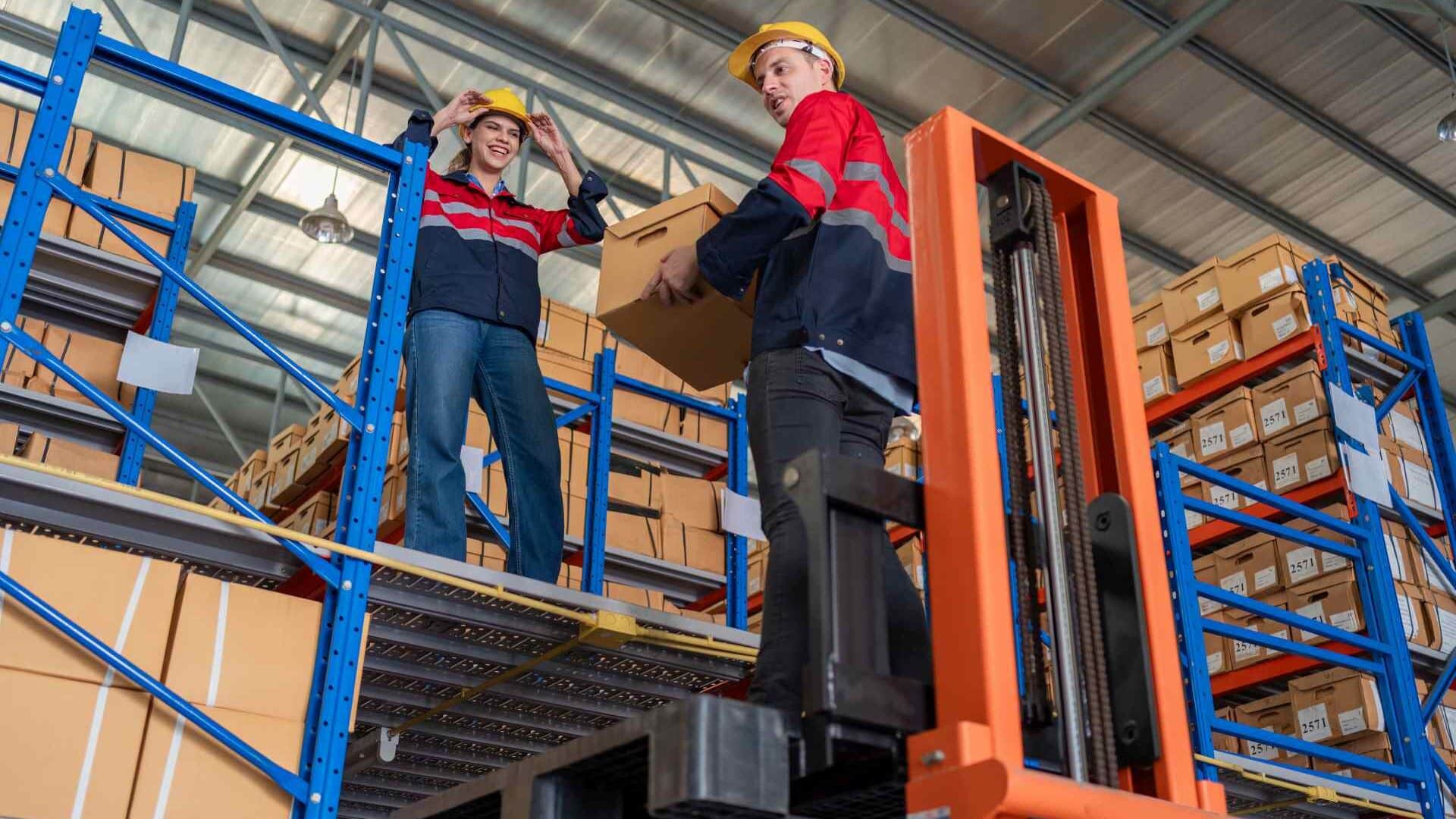
Safety officer discussing injury prevention with an employee in a warehouse setting.
Types of Personal Protective Equipment
Personal Protective Equipment (PPE) is essential for minimizing exposure to hazards that could cause serious workplace injuries. Understanding the diverse types of PPE available helps businesses select appropriate gear for different tasks. Common PPE includes gloves, helmets, eye protection, and other gear designed to protect employees from injury.
Each type of PPE serves a specific protective function, tailored to particular hazards present in various industries. Adequate training in the use of PPE ensures it works effectively, reducing the risk of misapplication and resulting injury.
Key Benefits of PPE
The strategic use of PPE provides several critical benefits:
- Reduces exposure to hazards: Proper gear minimizes contact with potentially harmful substances or situations.
- Prevents injuries during accidents: Effective PPE can greatly reduce the severity of injuries in the event of an accident.
- Enhances employee safety: Proper use of PPE ensures that workers are shielded from various risks.
- Supports compliance with regulations: Proper PPE use aligns with legal safety requirements.
- Improves workplace morale: Employees feel safer and more valued when proper safety measures are enforced.
- Encourages safety-first culture: Regular use of PPE builds a culture that prioritizes safety above all else.
Implementing effective PPE strategies contributes not only to individual protection but also to the company’s overall dedication to safety.
Implementing a PPE Program
Designing a comprehensive PPE program ensures the correct equipment is used consistently. It involves evaluating the specific risks present in the workplace and selecting gear accordingly. Training programs should be incorporated to educate employees on selecting and caring for their PPE effectively.
By crafting policies and procedures that support fall protection equipment and promote material handling safety, companies can enhance both individual safety and collective wellbeing.
Regular reviews of the PPE program align with the continuous improvement approach to safety, ensuring ongoing protection and compliance with evolving standards.
Monitoring Safety Protocol Efficacy
Evaluating the effectiveness of workplace safety protocols is a continual process that ensures compliance and enhances protective measures. Regular evaluations help identify gaps in current safety plans and determine the success of implemented strategies. Utilizing feedback from these assessments allows organizations to refine their approaches and ensure continuous improvement in safety.
Monitoring should be planned strategically and include comprehensive reviews of all safety measures in place. By doing so, businesses can maintain high standards of safety and quickly adapt to changing conditions in their operational environments.
Common Evaluation Methods
Several methods exist for assessing the effectiveness of workplace safety protocols. Regular audits and inspections provide concrete data on compliance levels, helping to identify areas for improvement. Employee feedback and incident analysis contribute valuable insights into the practical application and success of safety initiatives.
Additionally, benchmarking against industry standards offers a comparative look at the company’s safety performance, helping to align objectives with best practices. This comprehensive approach ensures all potential risks are accounted for and managed effectively.
Continuous Improvement in Safety Standards
Continuous improvement is essential for maintaining and enhancing safety standards in the workplace. By routinely revisiting protocols and incorporating lessons learned from previous assessments, businesses can maintain a proactive stance on safety management. This ensures readiness to adapt to new challenges and technologies within the industry.
Incorporating advanced technologies and strategies, including adopting equipment reliability systems and following maintenance best practices, provides a robust framework for ongoing safety improvements that benefit both the organization and its workforce.
Through an iterative process of evaluation and adaptation, companies can uphold superior safety standards, effectively reducing risk and fostering a secure working environment.
Frequently Asked Questions
Preventing workplace injuries involves implementing a combination of best practices, such as conducting regular safety training, maintaining proper use of PPE, and ensuring machinery is well-maintained. Developing a culture that prioritizes safety, effective communication of safety protocols, and routine audits of safety measures are also critical.
Safety training should be conducted regularly to ensure continuous awareness and preparedness. Ideally, training sessions should occur at least quarterly, with additional sessions scheduled as necessary to cover new protocols or address specific safety concerns that arise.
The types of personal protective equipment required depend on the specific hazards present in the workplace. Common forms of PPE include helmets, gloves, goggles, and hearing protection. Asses the workplace to determine specific PPE needs based on identified risks.
Common workplace hazards include physical risks like slips, trips, and falls, ergonomic injuries, chemical exposures, and inadequate maintenance of machinery. Recognizing and addressing these hazards is key to ensuring a safe working environment for all.