Why Equipment Failure Prevention Matters Now
Equipment failure prevention is crucial in maintaining the operational efficiency of industrial environments. In today’s fast-paced production settings, unexpected breakdowns can severely disrupt workflows, leading to costly downtime, compromised product quality, and safety hazards. Structured approaches such as root cause analysis (RCA) can mitigate these issues by preventing recurring failures.
Failures are often multifaceted, involving mechanical, human, and environmental factors. Understanding these failures through equipment failure root cause analysis helps in identifying the underlying causes and implementing strategies to prevent them from recurring. This not only enhances equipment reliability but also ensures a smoother operation.
Root cause analysis in equipment maintenance transforms challenges into opportunities for improvement. By reducing unplanned downtime and improving equipment reliability, organizations can achieve significant cost savings. Moreover, preventive strategies derived from RCA can be integrated into preventive maintenance routines, reinforcing operational stability.
Root Cause Analysis: What It Is—and What It Isn’t
Root cause analysis (RCA) is a comprehensive method used to identify the fundamental reasons for failures. It is not merely about treating symptoms but delving deeper into why the failure occurred in the first place. RCA is structured and methodical, focusing on collecting and analyzing data to identify the root causes of problems.
RCA is distinct from troubleshooting, which addresses symptoms to quickly restore functionality. While troubleshooting is essential for immediate resolutions, RCA seeks to eliminate the primary cause, preventing recurrence. This distinction makes RCA an invaluable part of a long-term maintenance strategy.
Employing RCA involves various techniques, each suitable for different failure scenarios. Techniques like the Fishbone Diagram and 5 Whys are utilized to dissect failure pathways and uncover the root causes systematically. This approach ensures a holistic understanding of equipment issues and forms the basis for implementing effective solutions.
How This Guide Helps Reliability and Maintenance Teams
This guide aims to equip reliability and maintenance teams with the knowledge to effectively employ root cause analysis in equipment failure prevention. By understanding different RCA methods and their applications, teams can tailor their strategies to address specific failures, whether they stem from operational, mechanical, or human errors.
Through real-world examples and detailed explanations, this guide bridges the gap between theory and practice. It underscores the importance of embracing preventive measures over reactive ones, paving the way for improved efficiency and reduced costs.
By embedding RCA into a facility’s standard operating procedures, organizations can enhance operational efficiency and reliability. This guide will enable maintenance leaders to make data-driven decisions that benefit the entire operation by fostering a culture of continuous improvement.

A professional team around a table, discussing workflow improvements with a flowchart.
Match RCA Methods to the Failure Pattern
Equipment failure prevention requires selecting the appropriate RCA methods based on identified failure patterns. For instance, repetitive minor stoppages might benefit from a quick application of the 5 Whys method, while sudden catastrophic failures might require a deeper dive using Fault Tree Analysis (FTA).
Recognizing these patterns early can significantly reduce downtime and enhance lean manufacturing processes. The right analysis not only addresses the root cause but also prevents future occurrences, thereby supporting equipment reliability and minimizing maintenance costs.
Common RCA Methods Compared
One approach doesn’t fit all in equipment failure root cause analysis. Selecting the right method is crucial:
- 5 Whys: Fast, simple for straightforward causal chains
- Ishikawa (Fishbone) Diagram: Multi-category brainstorming of causes
- Fault Tree Analysis (FTA): Top-down logic for complex failures
- Failure Mode and Effects Analysis (FMEA): Risk-prioritized prevention
- Pareto Analysis (80/20): Focus on vital few recurring issues
- Cause-and-Effect Matrix: Link process inputs (Xs) to outputs (Ys)
Employing these methods effectively ensures that your facility’s industrial equipment maintenance aligns with best practices.
Selecting the Right Method for Your Team and Timeline
Choosing the right RCA method depends on the team’s expertise, the complexity of the failure, and the timeline for resolution. A comprehensive approach that matches method to problem type can maximize results, reduce costs, and extend equipment lifespan.
Consider involving a diverse team with varied expertise to bring different perspectives to the analysis. This collaborative approach not only improves the validity of the RCA findings but also facilitates a more effective implementation of corrective measures.
It’s crucial that strategies are revisited periodically to ensure that they evolve with new insights and emerging technologies, fostering a culture of continuous improvement in maintenance practices.
Capture the Right Evidence Fast
For successful root cause analysis, capturing the right evidence swiftly is crucial. This involves not just documenting what happened but gathering data that provides insights into why it happened. Condition monitoring plays a pivotal role in this regard, enabling teams to differentiate between symptoms and root causes effectively.
Accurate bearing failure analysis, for example, requires understanding the machine’s operating state, load, ambient conditions, and recent performance history. By doing so, teams can substantiate their hypotheses with tangible data, ensuring a directed approach to solving equipment issues.
Data to Collect for Accurate RCA
Effective RCA is data-driven. Here’s what to gather:
- Sensor and performance data: Vibration, temperature, current draw, throughput
- Maintenance history and work orders: Around the failure window
- Visual evidence: Photos, wear debris, damage patterns, contamination
- Operator observations: Alarm logs, environmental conditions
These data points give a comprehensive view of potential issues and equip teams with the necessary insights to minimize downtime.
Validate Causes with Condition Monitoring Techniques
Condition monitoring is essential for validating suspected root causes. It involves using technologies such as vibration analysis or thermography to assess the condition of the equipment under operating conditions. The insights gleaned from these techniques can be pivotal in pinpointing the root causes of failures.
By comparing before and after readings, technicians can establish whether the corrective actions implemented effectively addressed the underlying issues. This validation step ensures the robustness of the RCA and its potential for preventing future breakdowns.
Integrate these findings into ongoing maintenance protocols to enhance industrial equipment maintenance practices. Continuous condition monitoring supports a proactive maintenance strategy that keeps equipment running smoothly and optimally.

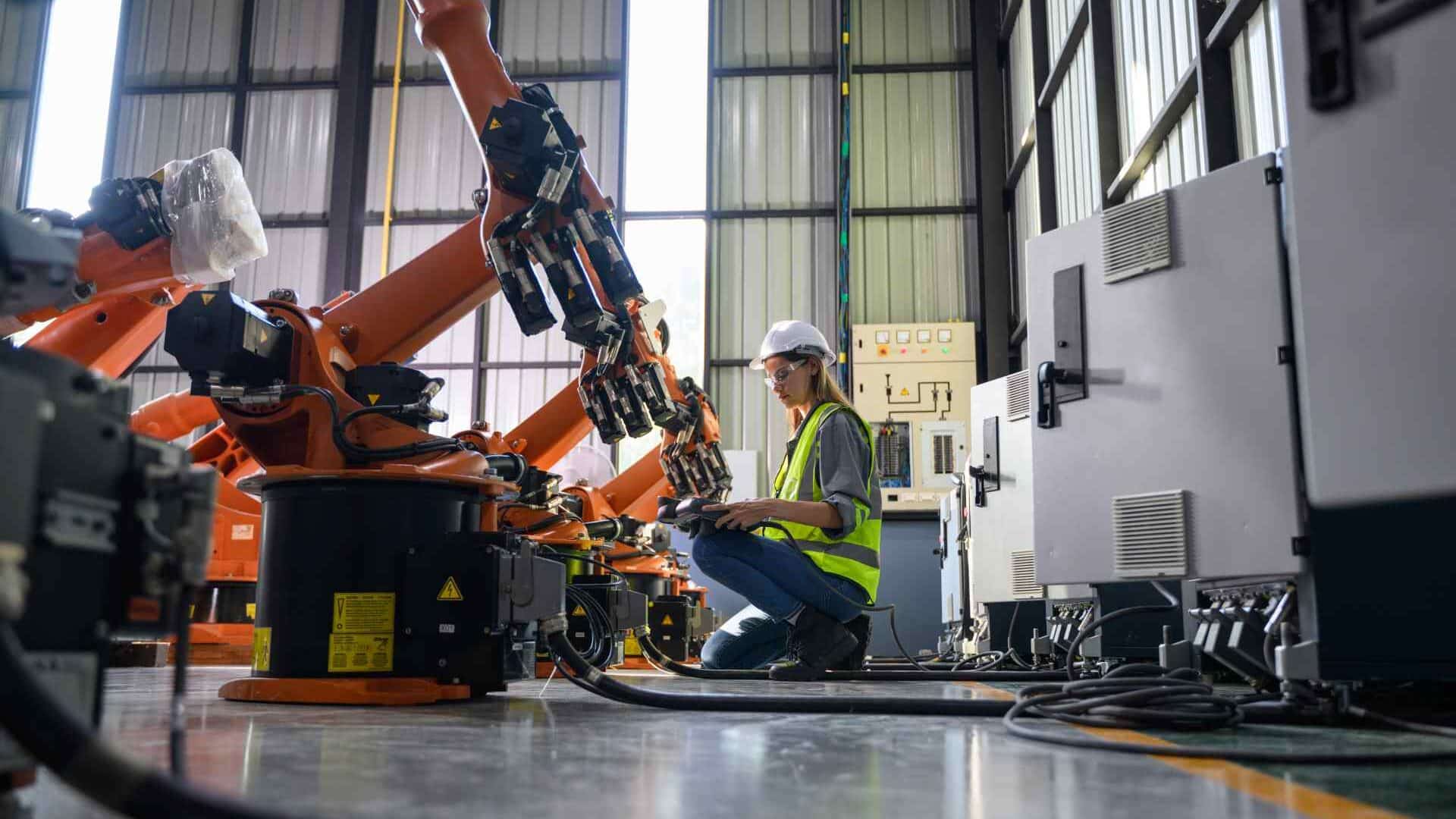
Industrial workers inspecting heavy machinery, ensuring operational and safety standards.
From Symptoms to Root Cause in Power Transmission
Power transmission systems are often the unseen backbone of many manufacturing processes, and their operational integrity is crucial. Many failures originate here, manifesting as belt slippage, excessive vibration, or overheating, which are symptoms that can hide complex root causes.
Effective equipment troubleshooting in these areas demands a thorough examination of all components such as belts, pulleys, and bearings. By accurately diagnosing and resolving these root causes, facilities can significantly enhance their power transmission efficiency.
Mechanical Root Causes to Assess
Identifying and understanding the mechanical root causes is critical to addressing failures efficiently:
- Incorrect belt tensioning: Causing slip, heat, and rapid wear
- Misalignment (angular/parallel): Driving vibration and premature failure
- Worn sheaves/bushings: Reducing grip and increasing belt temperature
- Contaminated or under-lubricated bearings: Leading to spalling
- Wrong belt profile/length: Or mixed brands on the same drive
- Improper installation/handling: Damage during parts replacement
Addressing these factors effectively improves equipment reliability and productivity.
Verification Steps: Measurements, Inspections, and Test Runs
The verification process involves detailed inspections and test runs to confirm that the issues have been resolved. Accurate measurements of tension, alignment, and temperature under operational conditions are essential for confirming the effectiveness of corrective actions.
Visual inspection complements these measurements by revealing signs of wear or improper installation. Technicians should also conduct test runs to ensure that equipment operates smoothly without unexpected vibrations or noise, indicating alignment and balance issues that need addressing.
These verification steps are critical in ensuring that changes contribute to improved industrial equipment maintenance and overall operational efficiency.
People and Process: Often the Hidden Root Causes
Beyond mechanical issues, human and process factors significantly impact equipment reliability. Inadequate training, poor communication, and non-compliance with safety protocols like Lockout Tagout (LOTO) can be root causes of recurring failures.
Addressing these hidden causes is as vital as resolving mechanical ones. Improving the quality of standard operating procedures (SOPs) and enhancing training programs can create a culture that prioritizes workplace safety and efficiency.
Close the Gaps with SOPs, Training, and Planning
Documenting clear SOPs and ensuring regular updates is critical. Training should be refreshed periodically and whenever procedural changes occur, to ensure all employees are competent and confident in their roles.
Accurate maintenance scheduling and spare parts management, complemented by effective planning and scheduling, ensure that maintenance activities are conducted smoothly and without unnecessary delays.
Strategic planning based on a thorough understanding of equipment requirements helps prevent downtime and supports a continuous improvement ethos within the organization.
Frequent Human/Process Root Causes
Several human and process factors commonly lead to failures:
- Inadequate training or onboarding: After role changes
- Missing or outdated SOPs: Steps skipped under time pressure
- LOTO non-compliance: During troubleshooting or quick fixes
- Poor communication: At shift handoffs or between departments
- Deferred maintenance: Due to parts unavailability or long lead times
- Inaccurate BOMs or mislabeled spares: Causing wrong-part installs
Addressing these issues ensures that organizations do not repeat the same mistakes, fostering a proactive maintenance culture.
Safeguards That Prevent Recurrence
Implementing safeguards is essential to ensure issues don’t recur. Establishing strict adherence to safety protocols and regular process audits can catch potential issues early.
Encouraging open communication across departments and recognition of team efforts in preventive maintenance further engrains a proactive safety culture. By focusing on these factors, companies can significantly reduce downtime and improve preventive maintenance practices.
Regular program reviews can help sustain improvements and maintain focus on avoiding similar failures in the future.

Industrial worker in safety gear calibrating machinery using a digital tablet.
From Root Cause to Corrective and Preventive Actions
Transitioning from identifying root causes to implementing corrective actions is a critical step in equipment lifecycle management. Selecting the appropriate actions ensures that underlying issues are addressed comprehensively, leading to long-term solutions rather than temporary fixes.
This involves thoughtful selection of corrective measures, a careful pilot of changes, and thorough control and verification to confirm that the issue has been resolved. Embedding these actions in routine equipment maintenance schedules is essential for sustained reliability improvement.
Pilot, Standardize, and Control the Change
Piloting changes allows teams to evaluate the effectiveness of corrective actions under controlled conditions. It is essential to standardize successful changes across similar assets to maintain consistency and reliability.
Change control processes ensure that all modifications are documented, reviewed, and approved before implementation. This systematic approach helps integrate changes seamlessly into existing operational processes, reducing the risk of future failures.
Effective control of changes also involves educating staff on the modifications and how they impact daily operations, ensuring everyone is aligned and informed.
Verification: Prove the Fix Works Under Real Conditions
Verification is essential to confirm that a fix works under operational conditions. This involves monitoring key performance indicators over an agreed period, such as 90 days, to assure that the problem has been resolved.
Continuous condition monitoring and regular feedback loops help teams adjust maintenance practices as needed, ensuring that corrective actions remain effective and relevant. This ongoing validation encourages improvements and broad adjustments when necessary.
Through meticulous verification steps, companies can confidently extend equipment lifespan, enhance equipment reliability, and achieve better production outcomes.
What to Measure After an RCA
Implementing an effective root cause analysis process involves using the right metrics to understand the impact and effectiveness of corrective actions. Metrics like Mean Time Between Failures (MTBF), Mean Time to Repair (MTTR), and recurrence rate provide valuable insights into the reliability and efficiency of equipment maintenance strategies.
These metrics not only help track improvements but also assist in demonstrating the tangible benefits of downtime reduction and cost savings from successful RCAs.
Link Maintenance Metrics to Business Results
Aligning maintenance metrics with business objectives is crucial for evaluating the success of RCA initiatives. Metrics such as maintenance cost per asset and defect rate offer a direct link to operational efficiency and financial performance.
By using these metrics, maintenance teams can justify the investment in RCA activities by showcasing quantitatively how improvements lead to increased productivity and cost reductions across the enterprise. Visualization tools like control charts or trend lines make it easier for stakeholders to grasp these benefits.
These metrics should be regularly reviewed and adjusted to maintain alignment with evolving business goals.
Use Trends to Prioritize the Next RCA Projects
Maintenance teams can leverage data trends to prioritize future RCA projects. By focusing on areas with the highest impact on operational efficiency and lowest ROI, teams can ensure that their efforts are directed where they are needed most.
Continuous improvement requires identifying and addressing these critical areas efficiently. Lean manufacturing principles advocate for data-driven prioritization to maximize value and minimize waste.
By maintaining a strong focus on trend analysis and data collection, organizations can build a proactive culture that anticipates and prevents failures.
Stand Up an RCA Program the Right Way
Establishing a successful RCA program begins with leadership support and dedicated cross-functional teams committed to identifying and resolving equipment failure issues. Creating an environment that encourages collaborative problem-solving can significantly enhance workplace safety and equipment reliability.
Leadership should prioritize regular reviews and adjustments to the RCA program to ensure its continued relevance and efficacy. Celebrating successful outcomes fosters a culture of improving workplace safety culture and sustained engagement across all levels of the organization.
Build a Safety-First, Blame-Free Culture
Implementing a safety-first, blame-free culture involves promoting openness and accountability in all RCA activities. Employees should be encouraged to share their observations without fear of repercussions, facilitating a transparent dialogue about failures and successes alike.
Building such a culture demands a consistent focus on safety training programs and adherence to LOTO guidelines, reinforcing the importance of compliance and safety in every operation.
Standardize, Audit, and Refresh Over Time
For an RCA program to remain effective, it must be standardized and regularly audited. This ensures that all procedures align with best practices and any gaps are promptly addressed. Audits also reinforce accountability and allow room for continuous improvement.
Regularly refreshing training and documentation keeps pace with changing equipment, processes, and technologies. Ongoing improvements should be an explicit goal of the program to avoid stagnation and ensure lasting results.
Through this approach, organizations can foster a sustainable culture that embraces change, improvement, and safety in all equipment maintenance activities.
Key Takeaways for Maintenance and Operations Leaders
This guide emphasizes that disciplined root cause analysis is central to effective equipment failure prevention. Embedding RCA in maintenance practices enhances reliability and reduces costs, making it an invaluable tool for operations leaders committed to excellence.
Leveraging RCA enables teams to uncover deep-seated issues, implement proactive solutions, and support strategic goals aligned with broader business objectives. By understanding the methodologies and their application, leaders can drive meaningful changes across their facilities.
Your First 30 Days: A Quick-Start Checklist
Kickstart your RCA initiatives with this checklist:
- Assemble a cross-functional RCA team
- Define key metrics to track improvements
- Select an initial project with clear objectives
- Conduct training and workshops on RCA methods
- Establish a timeline for data collection and analysis
- Integrate RCA findings into preventive maintenance schedules
This structured approach ensures that your efforts are methodical and impactful.
Keep Momentum: Cadence, Coaching, and Communication
Sustaining momentum in RCA activities requires consistent engagement and communication across the organization. Establishing regular cadences for team meetings and reports keeps everyone aligned and informed about progress.
Coaching sessions can enhance team skill sets and resolve ongoing challenges. Effective communication helps maintain a shared vision and continuous focus on improvement.
By fostering an environment where RCA insights are valued and prioritized, organizations can achieve long-lasting improvements in operational efficiency and equipment reliability.
Frequently Asked Questions
Choosing the appropriate RCA method depends on the complexity and nature of the failure. For straightforward issues, the 5 Whys can quickly identify root causes. Fishbone diagrams are suitable for brainstorming and categorizing potential causes, while FTA is best for complex failures requiring a logical, top-down approach. FMEA is ideal when prioritizing issues based on risk is essential, particularly in preventive maintenance planning.
Yes, even without sensor data, an effective root cause analysis can be conducted. Utilize observational data, maintenance records, operator interviews, and visual inspections to gather as much contextual information as possible. While sensor data enhances the analysis, qualitative insights are valuable for understanding the conditions surrounding the failure.
The duration of an RCA process can vary based on complexity but typically ranges from a few days to several weeks. Efficiency depends on factors such as data availability, team expertise, and the clarity of identified issues. It’s crucial to set clear objectives and deadlines to ensure timely completion and implementation of corrective actions.
Quantifying the ROI of RCA involves measuring improvements in key metrics like reduced downtime, lower maintenance costs, and increased equipment reliability. Track these changes before and after RCA implementation to demonstrate financial and operational benefits. Highlighting these improvements can justify the initial time and resource investment to stakeholders.
Safety should be a primary focus in all RCA activities. Implementing LOTO procedures ensures that equipment is safely shut down and secured before any analysis or corrective action. Educating teams on safety protocols helps prevent accidents and reinforces a culture of safety-first practices in troubleshooting and maintenance.
An effective RCA team typically includes 4-8 members with diverse expertise—operators, engineers, maintenance personnel, and safety officers. They bring a breadth of perspectives crucial for identifying root causes and proposing solutions. Keeping the team size manageable ensures efficient communication and decision-making.
Preventing recurrence involves implementing and monitoring corrective actions, embedding them into preventive maintenance strategies. Regularly review and update protocols, maintain thorough documentation, and conduct periodic audits and condition monitoring to ensure long-term effectiveness of solutions.