Introduction to Downtime Reduction in Manufacturing
In modern manufacturing operations, downtime is a critical factor that directly impacts productivity and profitability. Effective equipment failure prevention and optimizing maintenance schedules are pivotal in minimizing these halt periods. By focusing on downtime reduction, businesses can enhance operational efficiency and maintain a competitive edge.
Understanding Downtime in Manufacturing
Downtime in manufacturing refers to the period during which production is stopped. This can occur due to equipment breakdowns, material shortages, or human errors. Minimizing downtime is essential for ensuring a smooth and uninterrupted production process.
Understanding the sources of downtime helps in formulating targeted strategies to tackle these inefficiencies. Effective tracking and analysis can greatly enhance a company’s ability to streamline operations.
Impact of Downtime on Productivity
Downtime can severely affect a manufacturing unit’s productivity. Each minute of inactivity translates into potential revenue loss. Furthermore, repeated downtime incidents can negatively impact employee morale and the company’s reputation.
Concentrating on power transmission efficiency and maintenance practices plays a crucial role in mitigating these effects. Implementing strategic measures can significantly reduce downtime-related losses.
Common Causes of Downtime
The root causes of downtime are often multifaceted. Common factors include equipment failure, poor maintenance strategies, and inadequate operator training. In some cases, external factors such as supply chain disruptions also contribute.
Identifying these common issues provides a foundational basis for developing effective downtime reduction strategies. Analyzing past incidents can reveal patterns that inform future prevention tactics.
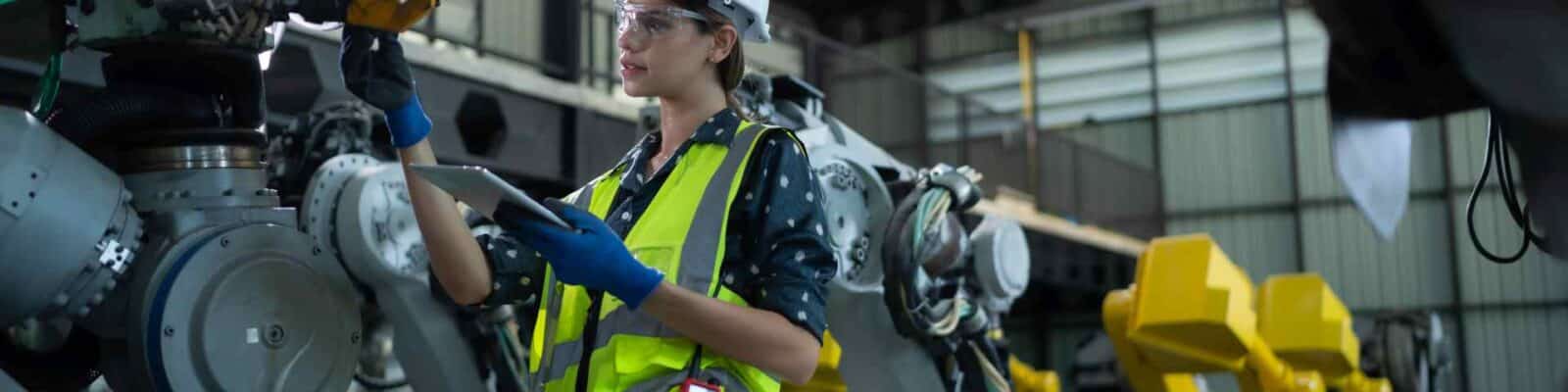
Female engineer conducting a detailed inspection of a robotic arm to ensure optimal performance.
Strategies to Reduce Downtime in Manufacturing
Reducing downtime in manufacturing involves the integration of both traditional practices and advanced technological solutions. This dual approach ensures that companies can handle both predictable and unpredictable interruptions effectively.
Implementing Predictive Maintenance
Predictive maintenance is an advanced approach that utilizes data and analytics to foresee potential failures before they occur. By predicting when equipment is likely to fail, manufacturers can conduct necessary maintenance proactively, avoiding unexpected breakdowns.
Such proactive tactics not only minimize downtime but also extend the lifespan of equipment. This approach requires an initial investment in technology and training but offers long-term savings and efficiency.
Using Technology for Monitoring
The advent of technology has revolutionized how manufacturers handle maintenance and monitoring tasks. These innovations are crucial for real-time data gathering and analysis.
- Real-time data collection: Allows for continuous monitoring of equipment performance.
- Condition monitoring systems: Facilitate the early detection of potential faults.
- Cloud-based analysis: Enables efficient data analysis and sharing.
- Remote diagnostics: Provide off-site troubleshooting capabilities, reducing response time.
- Automated alerts: Notify operators of issues, allowing swift corrective actions.
- Integration with ERP systems: Ensures seamless data flow and operational insights.
Employing these technologies aids in reducing the manual effort required to identify and rectify issues, thereby minimizing downtime.
Streamlining Maintenance Processes
Efficient maintenance processes ensure smooth, uninterrupted production. Streamlining these processes involves both operational and procedural improvements.
Effective use of tools such as maintenance cost reduction strategies and preventive maintenance planning optimizes productivity and reduces interruptions. Regular updates and reviews of maintenance procedures can further enhance their effectiveness.
The Role of Employee Training in Reducing Downtime
Employee training is a critical component of minimizing downtime. Skilled workers are better equipped to operate machinery efficiently and handle any operational challenges that arise.
The Importance of Skilled Workforce
Employees who are well-trained in the operation and maintenance of equipment contribute significantly to reducing downtime. They are more adept at identifying issues before they escalate and can perform basic troubleshooting without supervision.
A workforce skilled in technical and safety standards also reduces the risk of operational errors that can lead to unexpected downtime.
Training Programs for Maintenance Staff
Implementing comprehensive training programs is essential for maintaining a skilled workforce. These programs should cover both theoretical knowledge and practical skills.
Maintenance staff trained in workplace safety culture and technical operations are better prepared to conduct effective repairs and optimize equipment use.
Regular refresher courses and workshops ensure that staff remain updated with the latest techniques and safety protocols.
Investing in these programs pays off through improved efficiency and reduced repair times.
Continuous Learning and Improvement
Encouraging a culture of continuous learning enables employees to adapt to new challenges and technologies. Continuous improvement practices, integral to lean manufacturing, ensure that staff are prepared for future operational demands.
By fostering an environment where learning is ongoing, businesses can develop a resilient workforce capable of maintaining optimal productivity levels at all times.

Industrial workers inspecting heavy machinery, ensuring operational and safety standards.
The Impact of Inventory Management on Downtime Reduction
Proper inventory management is crucial for supporting continuous production and preventing costly halts. Strategic control of inventory can significantly minimize the risk of downtime.
Strategic Inventory Management
Strategic inventory management ensures that necessary parts and materials are available when needed, reducing wait times for restocking and thus minimizing interruptions. It involves analyzing demand trends and predicting procurement needs.
Just-in-Time Inventory Systems
Just-in-time (JIT) inventory systems enhance operational efficiency by aligning material orders with production schedules. This reduces excess stock and helps maintain a smoother workflow.
JIT systems require close collaboration with suppliers to ensure timely deliveries and reduce the likelihood of delays. This approach is particularly effective in avoiding stock shortages that lead to downtime.
Benefits of Proper Inventory Control
Effective inventory control offers a myriad of benefits, directly contributing to reduced downtime:
- Reduced holding costs: Lowers overheads by minimizing excess inventory.
- Improved supplier relationships: Facilitates better communication and reliability.
- Enhanced production flow: Supports continuous manufacturing processes.
- Optimized storage space: Prevents waste and maximizes efficiency.
- Minimized stockouts: Ensures consistent availability of essential resources.
By implementing strategic inventory management, companies can significantly improve their operational efficiency and reduce downtimes.
The Importance of Equipment Maintenance Schedules
Effective maintenance scheduling is a proactive approach to preventing unexpected downtime in manufacturing operations. By optimizing these schedules, companies can enhance the reliability and performance of their equipment.
Creating Effective Maintenance Schedules
Creating a maintenance schedule that addresses the specific needs of each piece of equipment is essential. It involves analyzing equipment history and usage patterns to determine optimal servicing intervals.
Companies must balance between preventive and corrective maintenance to ensure operational efficiency while minimizing costs.
Regularly updated schedules encourage ongoing productivity and minimize unexpected interruptions.
Tools for Schedule Optimization
Advanced tools such as industrial equipment maintenance software offer comprehensive solutions for optimizing maintenance schedules. These tools enable manufacturers to track equipment conditions in real time and predict necessary service requirements.
Utilizing technological aids not only improves scheduling accuracy but also streamlines communication between departments regarding maintenance activities.
Best Practices for Maintenance Planning
Adopting best practices in maintenance planning can enhance equipment reliability and lifespan. Essential strategies include:
- Regular assessments: Conduct frequent evaluations to identify potential issues.
- Use of maintenance software: Employ digital tools for precise tracking and planning.
- Collaboration with suppliers: Ensure quick access to replacement parts and expert assistance.
- Feedback from operators: Incorporate insights from those closest to the machinery.
- Historical data analysis: Leverage past data to inform future maintenance.
- Predictive scheduling: Use analytics to foresee needs and prevent issues.
- Routine updates and reviews: Regularly revise schedules to reflect current conditions.
Implementing these practices ensures a robust maintenance plan that reduces downtime and enhances equipment performance.

A professional team around a table, discussing workflow improvements with a flowchart.
Lean Manufacturing Approaches and Downtime Reduction
Lean manufacturing methodologies are pivotal in creating efficient processes that inherently minimize downtime in manufacturing settings. By focusing on continuous improvement and waste elimination, lean strategies facilitate a workspace conducive to high productivity.
Lean Principles and Downtime
Lean principles prioritize the efficient use of resources by eliminating waste and optimizing processes. These principles directly correlate to downtime reduction as they streamline operations and improve workflow.
Adopting lean tactics requires a cultural shift towards proactive management and problem-solving, which fosters a more responsive and flexible production environment.
Implementing Lean Manufacturing
Implementing lean manufacturing involves integrating a variety of techniques aimed at improving efficiency and reducing waste. Key strategies include value stream mapping, 5S methodology, and Kaizen for continuous improvement.
These methods support an environment where potential downtime causes are actively identified and mitigated before they become significant issues. Cultivating employee involvement is essential for successful lean implementation.
Examples of Lean Processes in Action
Real-world applications of lean processes demonstrate their effectiveness in downtime reduction. Case studies within the industry reveal tangible results from adopting lean practices:
Examples include adjustments to workflow layout for better efficiency and strategic collaborations to enhance lean manufacturing efforts. Attaining operational efficiency through these practices highlights the transformative power of lean principles in manufacturing environments.
The Impact of Technology on Downtime Reduction
The integration of advanced technology has a profound impact on reducing downtime in manufacturing operations. Tools and software innovations provide essential support for proactive maintenance and real-time monitoring.
Technological Solutions for Downtime
Technological advancements offer manufacturers new ways to increase efficiency and reduce downtime. These include predictive analytics, automated monitoring systems, and advanced diagnostic tools.
These technologies enable businesses to anticipate potential issues and address them before they cause significant disruptions, thus maintaining steady production flow.
Using IoT and AI in Maintenance
The Internet of Things (IoT) and Artificial Intelligence (AI) revolutionize maintenance protocols by enhancing predictive maintenance capabilities. IoT devices collect vital data which AI algorithms analyze, providing insightful information about equipment health.
This combination facilitates timely decision-making, improving belt drive operations and detecting anomalies like bearing failures before they escalate. Such systems substantially reduce the likelihood of downtime.
Benefits of Technology Integration
Integrating technology into manufacturing processes offers various benefits contributing to decreased downtime:
- Increased accuracy: Automated systems provide precise data for informed decision-making.
- Better decision making: Access to real-time data enhances strategic planning and execution.
- Faster response times: Rapid identification and resolution of issues limit operational disruptions.
These advantages underscore the importance of technological integration in achieving continuous improvements in manufacturing efficiency.
Conclusion
Manufacturing operations thrive on uninterrupted processes and efficient management strategies. By embracing downtime reduction tactics, companies can ensure sustained productivity and operational excellence.
Summarizing Key Strategies
Key strategies for reducing downtime include applying predictive maintenance, leveraging technology for equipment monitoring, implementing lean manufacturing processes, and refining inventory management. Each plays a distinct role in minimizing production interruptions.
Integrating these approaches into day-to-day operations fosters a culture of continuous improvement and proactive problem-solving.
Ongoing Improvement and Adaptation
Downtime reduction requires continual adaptation and refinement of strategies. Regular assessments and incorporating new technologies and practices help in maintaining efficiency.
Businesses should focus on developing systems that are flexible and responsive to changes in market conditions and technological advancements. Seeking ongoing improvement is vital for long-term success.
Future of Downtime Reduction
The future of downtime reduction lies in innovative technologies and the seamless integration of advanced solutions. As industries evolve, embracing new tools such as artificial intelligence and IoT will remain instrumental in enhancing operational capabilities.
Companies focusing on preventive maintenance and addressing potential issues through proactive measures such as belt drive troubleshooting are better positioned to navigate future challenges effectively.
Frequently Asked Questions
The main causes of downtime include equipment failures, inadequate maintenance, operator errors, material shortages, and external disruptions such as supply chain issues or power outages. Identifying these causes is vital for implementing effective solutions to minimize downtime.
Predictive maintenance uses data analysis tools to anticipate maintenance needs before failures occur. This proactive approach allows for scheduling maintenance activities during non-productive periods, reducing unexpected downtime and extending equipment life.
Employee training is crucial for minimizing downtime as it equips staff with the necessary skills to operate and troubleshoot equipment efficiently. Well-trained employees can identify and address potential issues swiftly, preventing prolonged downtimes.
Inventory management is critical to downtime reduction as it ensures the availability of parts and materials needed for production. Strategic inventory control prevents stockouts and delays, maintaining a steady flow of operations.
Effective maintenance schedules are created by analyzing equipment needs, historical performance data, and operational demands. Utilizing maintenance software and continuous feedback can optimize these schedules for enhanced productivity and minimal downtime.
Technology contributes to less downtime by enabling real-time monitoring, predictive maintenance, and automation. Tools such as IoT devices and AI enhance operational insights, allowing for rapid response to potential issues and optimizing maintenance activities.
Lean manufacturing principles focus on waste reduction, continuous improvement, and efficient resource utilization. By streamlining processes and eliminating unnecessary steps, lean methods help to enhance productivity and reduce downtime in manufacturing operations.