Understanding Bearing Failure Analysis
Bearing failure analysis is a critical process in managing and maintaining industrial equipment. It involves identifying the root causes of bearing failures, which are often neglected until machinery breaks down. Proper analysis not only helps in determining why failures occur but also aids in choosing the right bearing for different applications.
Regular analysis can significantly enhance equipment reliability and prevent unexpected breakdowns. By understanding the mechanisms of failure, industries can implement downtime reduction strategies to keep operations running smoothly.
Why Bearing Failure Happens
Bearing failures can be attributed to various factors such as wear and tear, environmental conditions, and operational demands. Bearings endure immense pressures and stress during operation, leading to inevitable degradation if not maintained properly.
Common causes include improper lubrication, misalignment, and incorrect installation. Awareness of these factors is essential in preventing premature failure and ensuring that bearings perform effectively over their intended lifespan.
Impact on Equipment Performance
The failure of bearings directly impacts the performance of industrial equipment. When a bearing fails, it can lead to increased vibrations, noise, and heat generation, all of which contribute to a decline in operational efficiency.
This deterioration not only affects the machine itself but also compromises the quality of products manufactured. By addressing the root causes of bearing failure, companies can enhance productivity and reduce downtime.

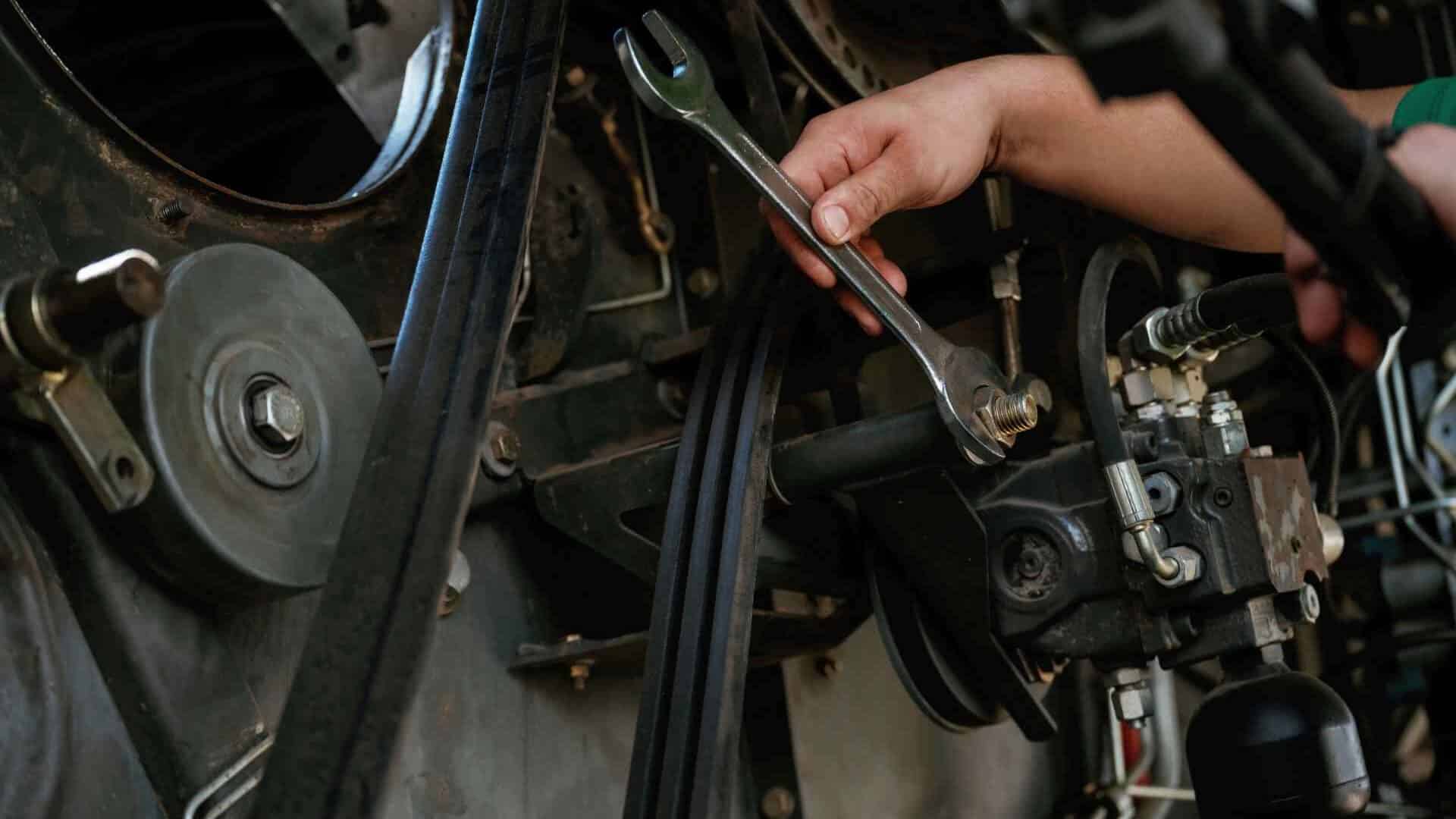
Technical team intensely analyzing a machinery part to deduce reasons for bearing failure.
Causes of Bearing Failure
Understanding the causes of bearing failure helps industries take proactive measures to prevent them. The following are the primary causes:
- Contamination: Presence of dirt, dust, or other particles that affect the smooth operation of the bearing.
- Insufficient Lubrication: Lack of adequate lubrication increases friction and wear.
- Overloading: Exceeds the load-bearing capacity, leading to stress and damage.
- Improper Installation: Errors during installation can lead to misalignment and premature wear.
- Fatigue: Material fatigue due to repetitive stress causing micro-cracks.
- Misalignment: Incorrect alignment that causes uneven load distribution.
- Corrosion: Chemical reactions that lead to material degradation.
- Electrical Damage: Currents that arc through bearings causing electrical erosion.
Addressing these issues is key to equipment failure prevention.
Detecting Early Signs of Failure
Identifying early signs of bearing failure is crucial for maintaining operational efficiency. Key indicators include abnormal vibrations, unusual noise, and heat build-up. Technicians should regularly check these signs to anticipate failures.
Regular equipment checks can prevent unexpected outages by pinpointing issues before they become severe, thereby improving power transmission efficiency and machine longevity.
Preventative Measures
Implementing preventative measures can effectively reduce the likelihood of bearing failures. Ensuring that machinery operates under optimal conditions by maintaining a strict routine of inspections and servicing is important.
Incorporate best practices from lean manufacturing to streamline maintenance processes and emphasize the importance of quality assurance in machinery components.
Visual Inspection Techniques
Visual inspection is one of the most straightforward methods for analyzing bearing failures. This technique involves examining the bearing and its housing for physical signs of damage, such as wear patterns, discoloration, or distortion.
Regular inspections allow for quick identification of potential issues, ensuring any faults are addressed promptly before they escalate. This method is relatively simple but effective in maintaining industrial equipment maintenance.
Vibration Analysis
Another critical technique is vibration analysis, which helps detect anomalies in bearing operations. By monitoring the vibration patterns, technicians can identify deviations from normal performance, indicating potential faults.
Vibration analysis can be embedded into routine checks to ensure continuous operational efficiency, minimizing the risk of unexpected failures.
Oil Analysis Methods
Oil analysis involves examining lubricant samples to spot contaminants or breakdowns in lubricant quality. This technique provides insight into the internal conditions of the bearing without dismantling it.
By routinely performing oil analysis, companies can improve the longevity of their machinery and identify areas needing attention. This proactive approach plays a crucial role in knowing how to reduce maintenance costs.

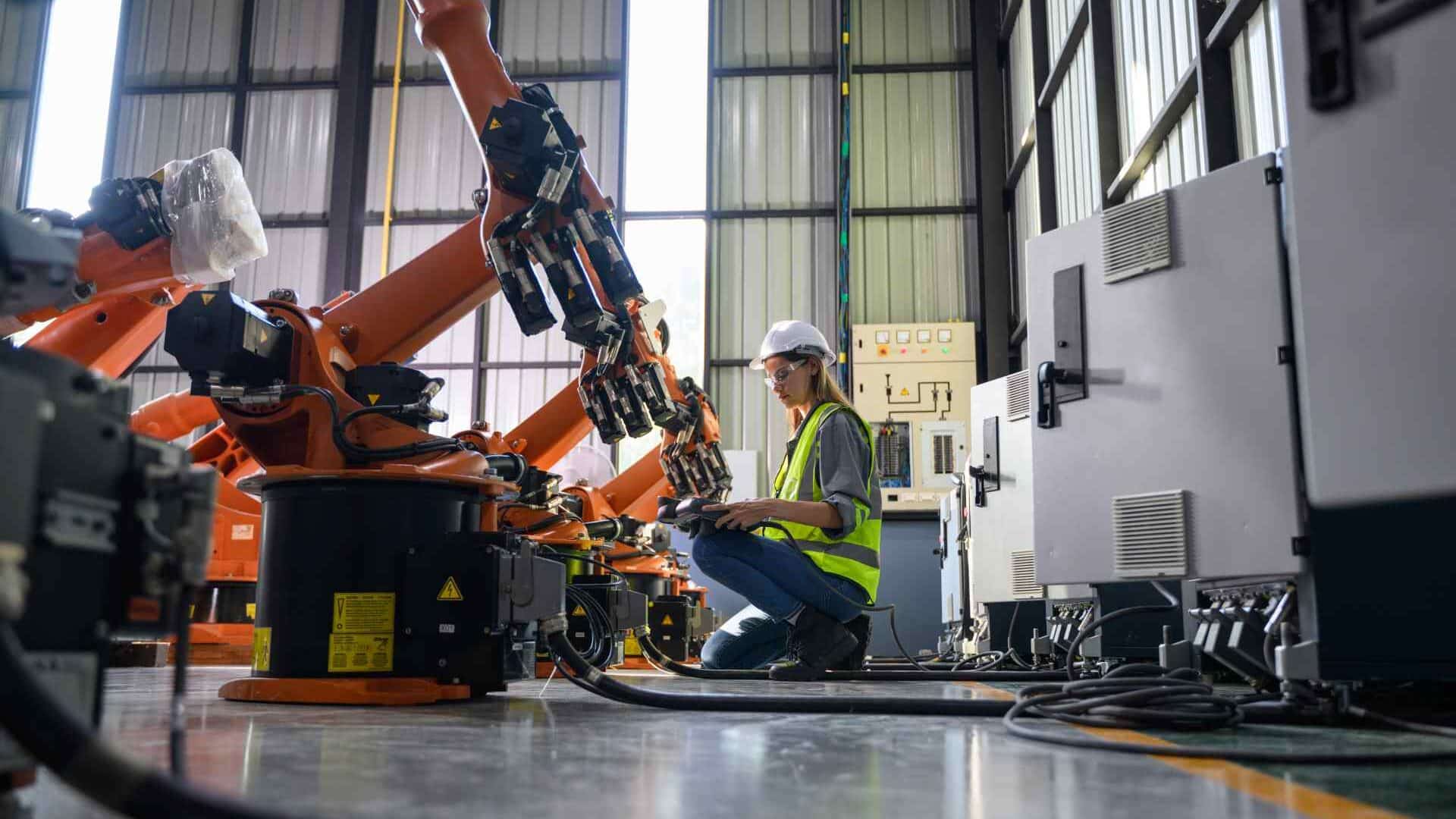
Industrial workers inspecting heavy machinery, ensuring operational and safety standards.
Importance of Regular Maintenance
Maintaining bearings through regular checks and service is crucial for their longevity and the efficient operation of industrial equipment. Regular maintenance helps identify problems early, preventing larger issues that could lead to costly repairs or replacements.
Developing a comprehensive preventive maintenance plan ensures all components are kept in optimal condition, aligning closely with strategies for extending equipment lifespan.
Best Practices for Bearing Care
Adopting best practices in bearing care ensures that they function smoothly and efficiently. Some key practices include:
- Regular Lubrication: Ensuring bearings are lubricated at suitable intervals to minimize friction.
- Proper Installation: Following manufacturer guidelines for precise bearing placement.
- Load Management: Avoiding overloading to prevent undue stress on bearings.
- Environment Control: Keeping bearings free from contaminants like dust and moisture.
Implementing these best practices significantly reduces the chances of bearing failure, contributing to effective utilization of v-belts and pulleys as well.
Predictive Maintenance Strategies
Predictive maintenance using analytics and monitoring tools can preemptively address areas of concern before they manifest as failures. These strategies involve the use of sensors and monitoring software that can give real-time insights into equipment performance.
Implementing predictive maintenance not only preserves equipment integrity but also optimizes performance, enhancing overall productivity.
Monitoring System Essentials
Effective monitoring systems are essential in preventing bearing failures. These systems provide real-time data on bearing conditions, allowing technicians to act quickly if any anomalies are detected.
Integrating these systems into regular maintenance routines guarantees continuous machine operation and promotes equipment reliability.
Key Monitoring Techniques
Several monitoring techniques prove effective in bearing maintenance:
- Temperature Monitoring: Detects overheating issues early, preventing thermal damage.
- Vibration Monitoring: Assesses bearing performance by identifying irregular vibrations.
- Ultrasonic Testing: Detects high-frequency sound waves indicating defects.
- Infrared Thermography: Visualizes heat emissions to detect friction-related anomalies.
- Acoustic Emissions: Monitors sound patterns for early fault detection.
- Data Analysis Solutions: Utilizes software for data interpretation and predictive insights.
- Real-time Feedback Systems: Provides immediate updates on bearing status through alerts.
These techniques enhance the precision of choosing the right bearing monitoring strategies.
Future of Bearing Monitoring
Looking ahead, innovations in technology are expected to advance bearing monitoring systems even further. With the integration of IoT and AI, predictive capabilities will become more sophisticated, offering enhanced accuracy in failure detection and prognosis.
Organizations that adopt these technologies will likely experience significant downtime reduction, increased efficiency, and reduced maintenance costs.

A professional team around a table, discussing workflow improvements with a flowchart.
Summary of Key Takeaways
Addressing bearing failures is fundamental to ensuring the longevity and reliability of industrial equipment. Understanding the causes, detecting early signs, and using appropriate diagnostic techniques are pivotal in maintaining operational efficiency.
Adopting best practices in maintenance and monitoring can prevent failures and optimize productivity, a key aspect highlighted in how to reduce maintenance costs.
Implementing a Maintenance Plan
Developing a detailed maintenance plan is critical for organizations aiming to prolong machine life and avoid unexpected breakdowns. Such a plan should include a schedule for inspections, cleaning, lubrication, and component replacements as necessary.
Incorporating strategies from lean manufacturing can streamline maintenance efforts, ensuring all necessary actions are efficiently executed.
Benefits of Proactive Management
Proactive management in bearing maintenance leads to improved equipment performance, reduced repair costs, and enhanced operational safety. By investing in the latest technologies and training, companies can ensure that their equipment operates at peak performance levels.
This approach not only secures the integrity of industrial operations but also supports broader objectives like industrial supply chain optimization.
Frequently Asked Questions about Bearing Failures
The main causes of bearing failures include contamination, insufficient lubrication, overloading, improper installation, fatigue, misalignment, corrosion, and electrical damage. Addressing these issues effectively can help in reducing the risk of failure, thereby extending the lifespan of the equipment.
Preventing bearing damage involves regular maintenance routines, proper lubrication, ensuring correct installation practices, and monitoring operation conditions to avoid overloading. Utilizing preventive maintenance strategies is key to minimizing potential damage.
Signs of potential bearing failure include unusual noises, increased vibration, excessive heat generation, and lubricant quality changes. Identifying these signs early allows for timely intervention, preventing further damage. Regular equipment failure prevention checks are beneficial.
Bearings should be inspected regularly based on the manufacturer’s recommendations and the working conditions of the equipment. Typically, frequent inspections are advised in high-stress environments to detect problems early and sustain operational efficiency.