Introduction to Maintenance Strategies
Maintenance strategies such as predictive and preventive maintenance (PM) are essential for ensuring the reliability of equipment across various industries. Selecting the right maintenance approach can significantly impact industrial equipment maintenance procedures, leading to reduced costs and enhanced operational efficiency.
Defining Predictive Maintenance
Predictive maintenance involves using advanced data analysis tools to identify equipment failures before they occur. This proactive approach employs condition-monitoring equipment to facilitate timely repairs, minimizing downtime and improving the lifespan of assets.
Defining Preventive Maintenance
Preventive maintenance refers to scheduled maintenance activities designed to prevent unexpected breakdowns. By performing routine checks and maintenance, organizations can prolong equipment life and avoid costly repairs.
Importance and Benefits
Utilizing these maintenance strategies optimizes equipment performance, reduces unexpected costs, and enhances the overall reliability of operations. Each method offers different benefits, depending on the specific requirements of the business.

Two engineers discuss over maintenance protocols next to complex machinery, ensuring long-term reliability.
Comparing Maintenance Strategies
Understanding the differences between predictive and preventive maintenance strategies is crucial for implementing the right approach. Companies must consider various factors such as costs and potential applications to decide the best fit for their needs.
Predictive Maintenance Techniques
Predictive maintenance employs technology like sensors and data analytics to forecast when equipment will likely fail. These insights allow for targeted interventions, optimizing resource allocation and ensuring equipment failure prevention.
Preventive Maintenance Techniques
Preventive maintenance techniques include:
- Scheduled checks: Regularly scheduled inspections to evaluate equipment conditions.
- Routine inspections: Regular examinations of equipment to detect potential issues early.
- Replacement of parts: Replacing parts before they fail to eliminate potential downtimes.
- Adjustments: Fine-tuning equipment to enhance performance.
- Oil changes: Regular changing of oils and lubricants to ensure smooth operation.
- Run-to-fail strategies: Allowing certain non-critical parts to fail as a cost-effective strategy.
- Calibration: Ensuring equipment operates within predefined parameters.
Cost Implications
While predictive maintenance may involve higher initial costs due to the technology and expertise required, it often results in significant savings over time by reducing downtime. Conversely, preventive maintenance has more predictable costs, which can be easier to budget for and manage, providing a level of assurance in terms of downtime reduction.
Advantages of Preventive Maintenance
When companies seek to minimize unexpected breakdowns and maximize equipment longevity, preventive maintenance proves particularly effective. This method provides consistent reliability and cost savings in the long term.
Minimizing Unexpected Downtime
By implementing preventive maintenance programs, companies manage to significantly reduce instances of sudden equipment failures. Regular maintenance checks help in identifying issues before they escalate, enabling timely interventions.
Extending Equipment Lifespan
Preventive maintenance helps in prolonging the life of equipment by ensuring all components function optimally. Regular care and timely replacement of parts result in extended machinery life, contributing to overall productivity. For further reading on extending equipment life, visit our page on extending equipment lifespan.
Improving Reliability
Keys to improving equipment reliability include:
- Regular monitoring: Continuous surveillance of equipment status.
- Timely interventions: Intervening before minor issues become major problems.
- Proactive replacements: Replacing old parts to avoid unexpected failures.
- Optimized performance: Ensuring all systems operate at peak efficiency.
- Enhanced safety: Maintaining safe operating conditions reduces risks.
- Cost efficiency: Avoiding large expenses through regular oversight.

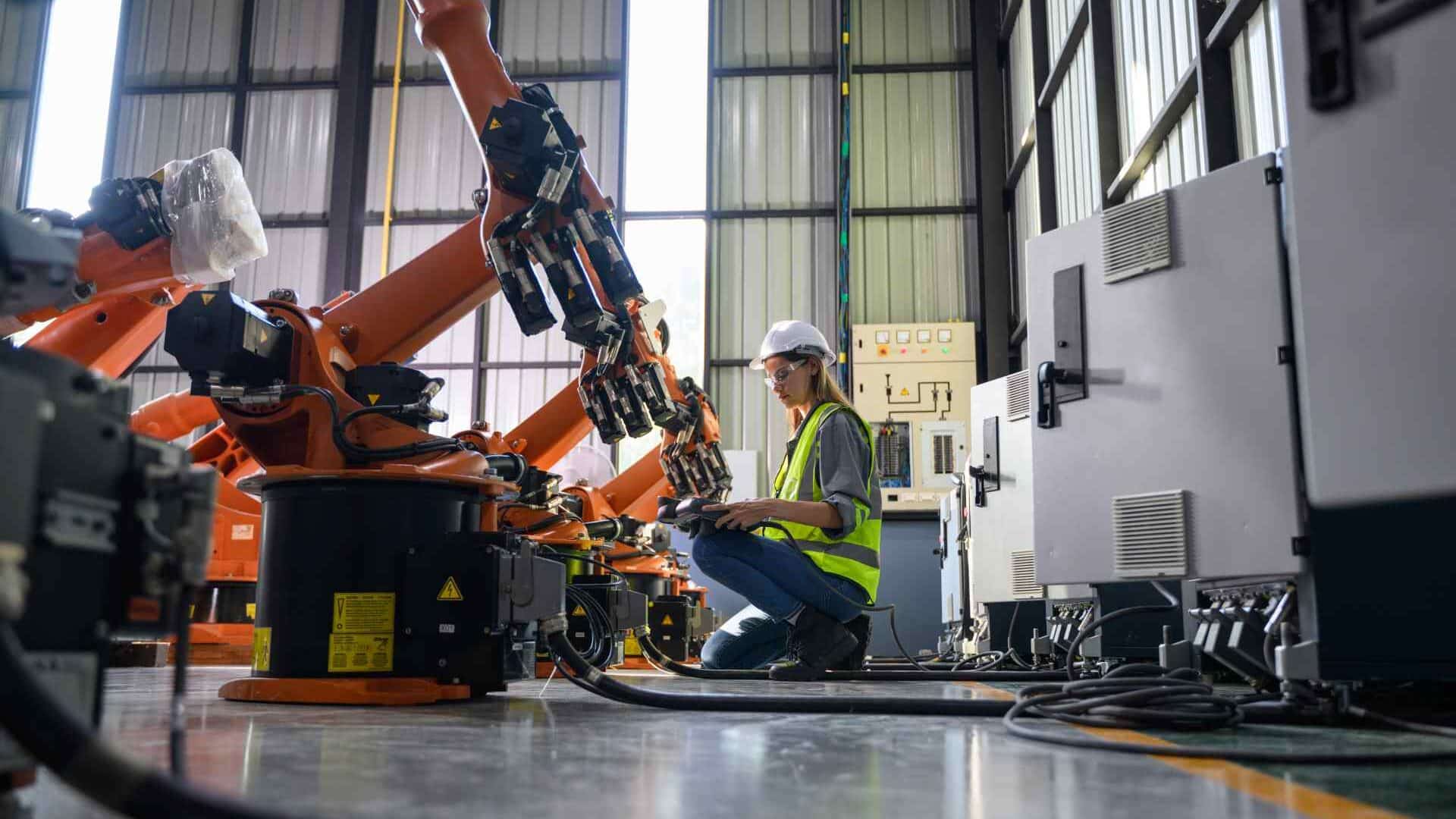
Focused technician performing meticulous checks on robotics to ensure operational continuity.
Limitations of Predictive Maintenance
While predictive maintenance offers various advantages, certain limitations may make it less suitable for specific operations. It’s crucial to account for these potential drawbacks when selecting a maintenance strategy.
High Initial Costs
Implementing predictive maintenance can be costly due to the need for advanced technology and skilled personnel. However, these investments often pay off in the long term through enhanced operational efficiency and reduced unplanned repairs.
Technological Barriers
Using sophisticated tools to monitor equipment demands a certain level of technical expertise. Companies may face challenges in training their workforce to handle complex data and analytical tools.
Data Reliability Issues
Despite its benefits, predictive maintenance comes with potential data-related challenges, such as:
- Hardware limitations: Device failures or inadequate precision can affect predictions.
- Sensor malfunctions: Faulty sensors could lead to incorrect data measurements.
- Data interpretation: Complex data may require advanced skills to derive actionable insights.
An emphasis on improving workplace safety culture and operational efficiency can help mitigate these challenges.
Decision-Making in Choosing Maintenance Strategies
When deciding between preventive and predictive maintenance strategies, numerous factors must be considered to align with company goals.
Assessing Equipment and Facilities
The specific characteristics of equipment and the operational environment play a crucial role in the maintenance strategy choice. Understand the needs of your facilities to better tailor maintenance practices.
Strategic Goals Alignment
Align the chosen maintenance approach with the broader strategic objectives of your organization. Whether focused on cost reduction, efficiency, or reliability, every strategy should support core business goals.
Cost and Benefit Analysis
Conducting a comprehensive cost-benefit analysis helps in predicting the financial impacts and operational improvements. This evaluation assists in aligning with broader strategies like lean manufacturing to choose effectively. Consider aspects such as choosing the right bearing based on maintenance needs.

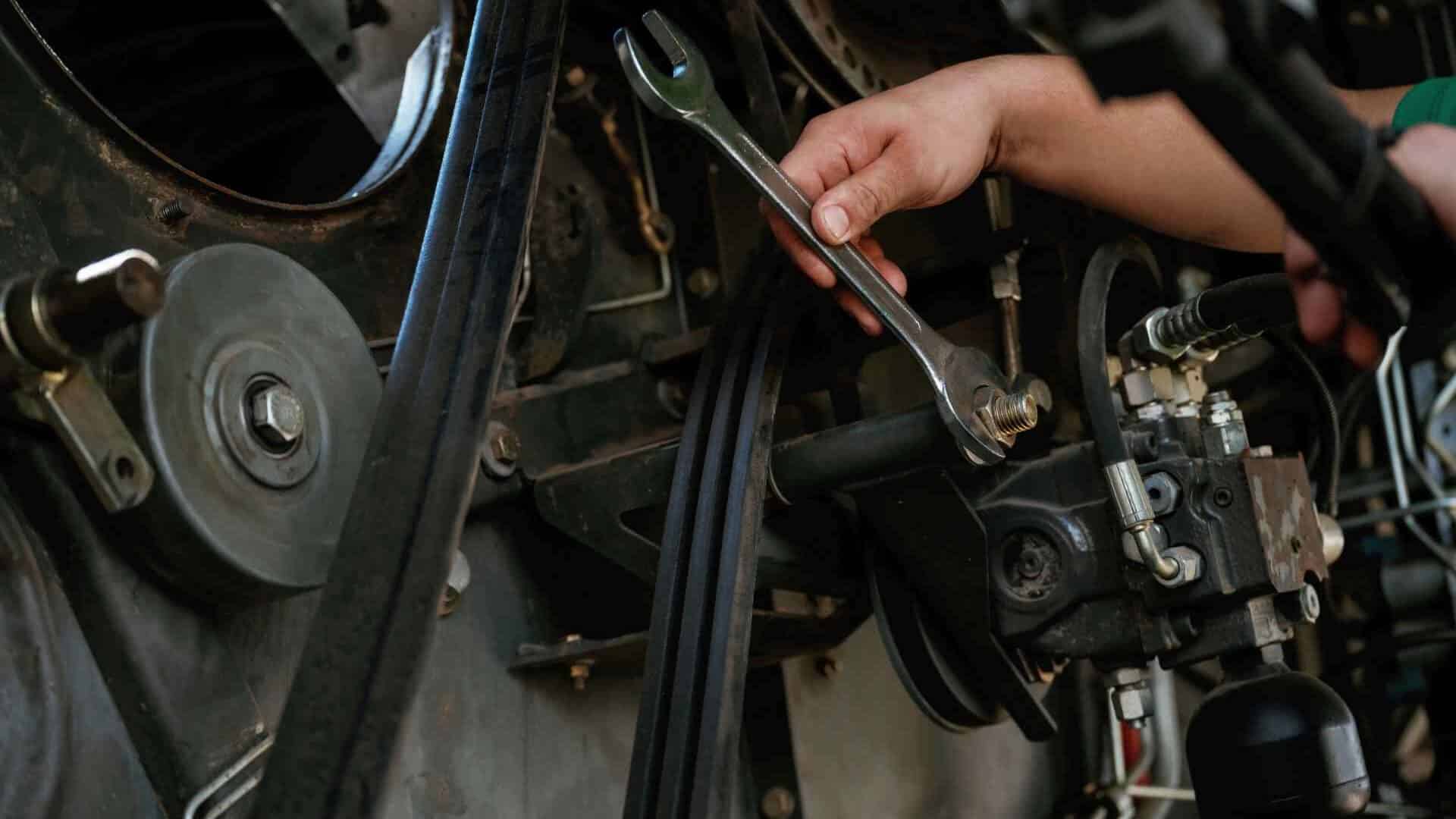
Maintenance team engaged in preventive care on heavy industrial machinery to boost longevity.
Conclusion: Maintenance Strategy Recommendations
Determining which maintenance strategy to implement requires careful consideration of various factors and an understanding of both current and future trends.
Choosing the Right Path
Selecting between predictive and preventive maintenance depends on several factors, including operational needs, budget constraints, and technological capacity. Evaluate what meshes best with existing workflows and company priorities.
Future Trends in Maintenance
Technological advancements forecast future trends in maintenance, focusing on increased automation and artificial intelligence integration for predictive analysis. Anticipating these changes can be pivotal for maintaining competitive advantage.
Final Recommendations
Ultimately, combining both strategies often provides an optimal balance of cost savings, reliability, and longevity. As the field evolves, organizations should remain agile and ready to adapt to new technologies. Exploring avenues such as industrial supply chain optimization and improving material handling safety aids in this alignment.
Frequently Asked Questions
Predictive maintenance uses data analysis tools to identify potential equipment failures before they occur, focusing on condition monitoring and forecasting. In contrast, preventive maintenance involves regular, scheduled maintenance tasks to prevent breakdowns, focusing on keeping everything in working order through routine checks and fixes.
By performing regular, scheduled maintenance, preventive maintenance helps keep equipment in optimal working condition, thereby reducing the likelihood of major repairs and replacing parts before they fail. This proactive approach minimizes costly downtimes, extending the operational life of machinery and saving on emergency repair costs.
Industries that rely heavily on continuous operation and have high-value machinery, such as manufacturing, oil and gas, and aerospace, benefit most from predictive maintenance. These sectors require minimal downtime and high reliability, making predictive maintenance a valuable tool for optimizing resource utilization and maintaining uptime.
Relying solely on preventive maintenance can lead to unnecessary maintenance, as some parts may be replaced before needed, potentially leading to inefficiencies. Additionally, it may not identify problems emerging between scheduled maintenance intervals, potentially missing opportunities for optimizing performance and cost.
Technology profoundly impacts maintenance strategies by providing tools for condition monitoring and data analysis, essential for predictive maintenance. Advances in sensors, AI, and analytics enable more precise and less intrusive methods for ensuring equipment reliability, influencing the adoption of these strategies across industries.
Yes, combining both predictive and preventive maintenance strategies can create a comprehensive maintenance plan. While preventive strategies provide regular oversight, predictive practices offer specific insights into potential failures, ensuring that maintenance is performed exactly when needed for balancing cost and reliability.
Strategically choosing maintenance approaches significantly affects workplace safety. Preventive maintenance ensures regular checks that maintain safety standards, while predictive maintenance aids in preemptively addressing issues. Both strategies collectively support fall protection equipment efficiency and power transmission efficiency, ultimately improving overall workplace safety.