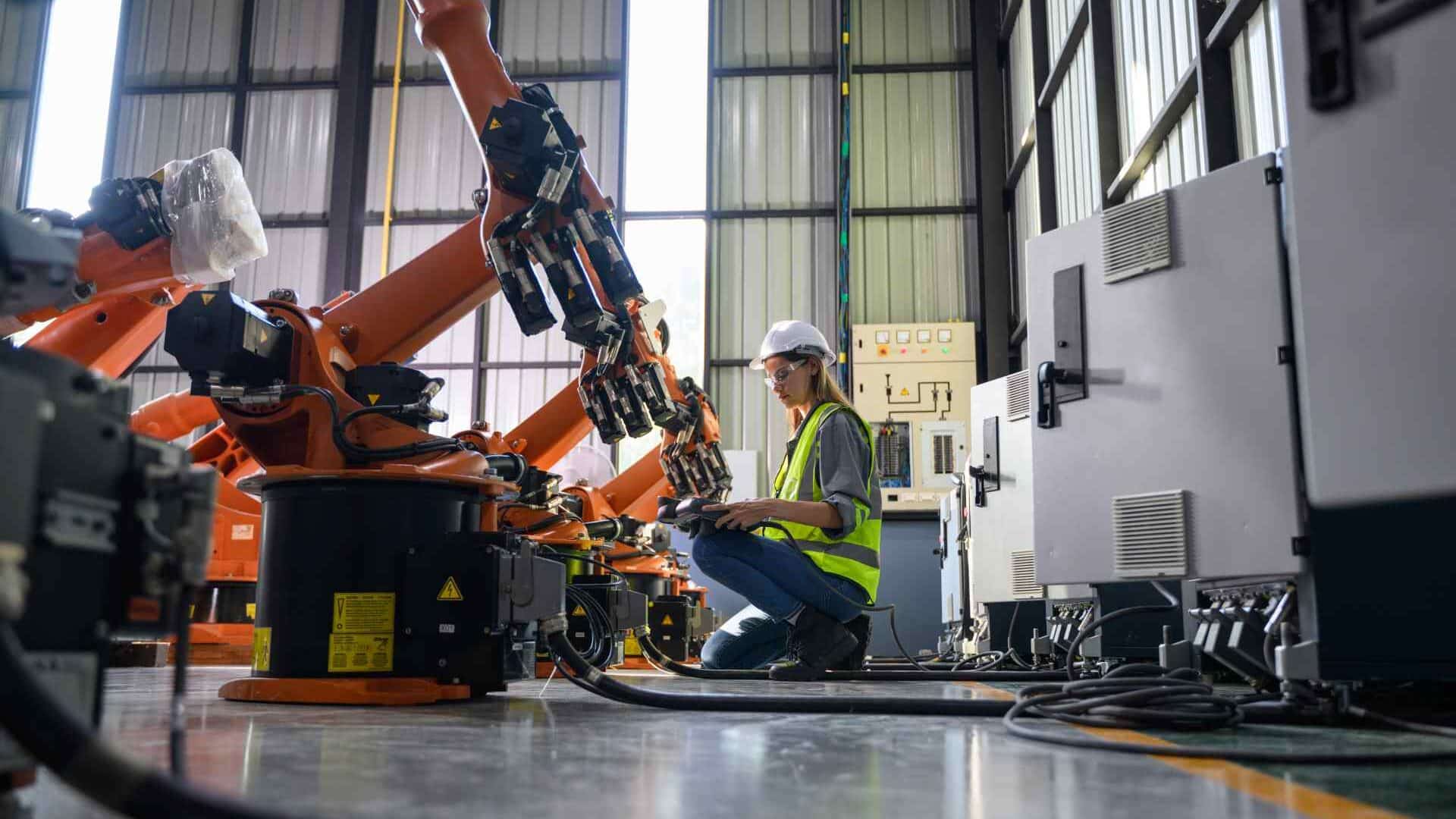
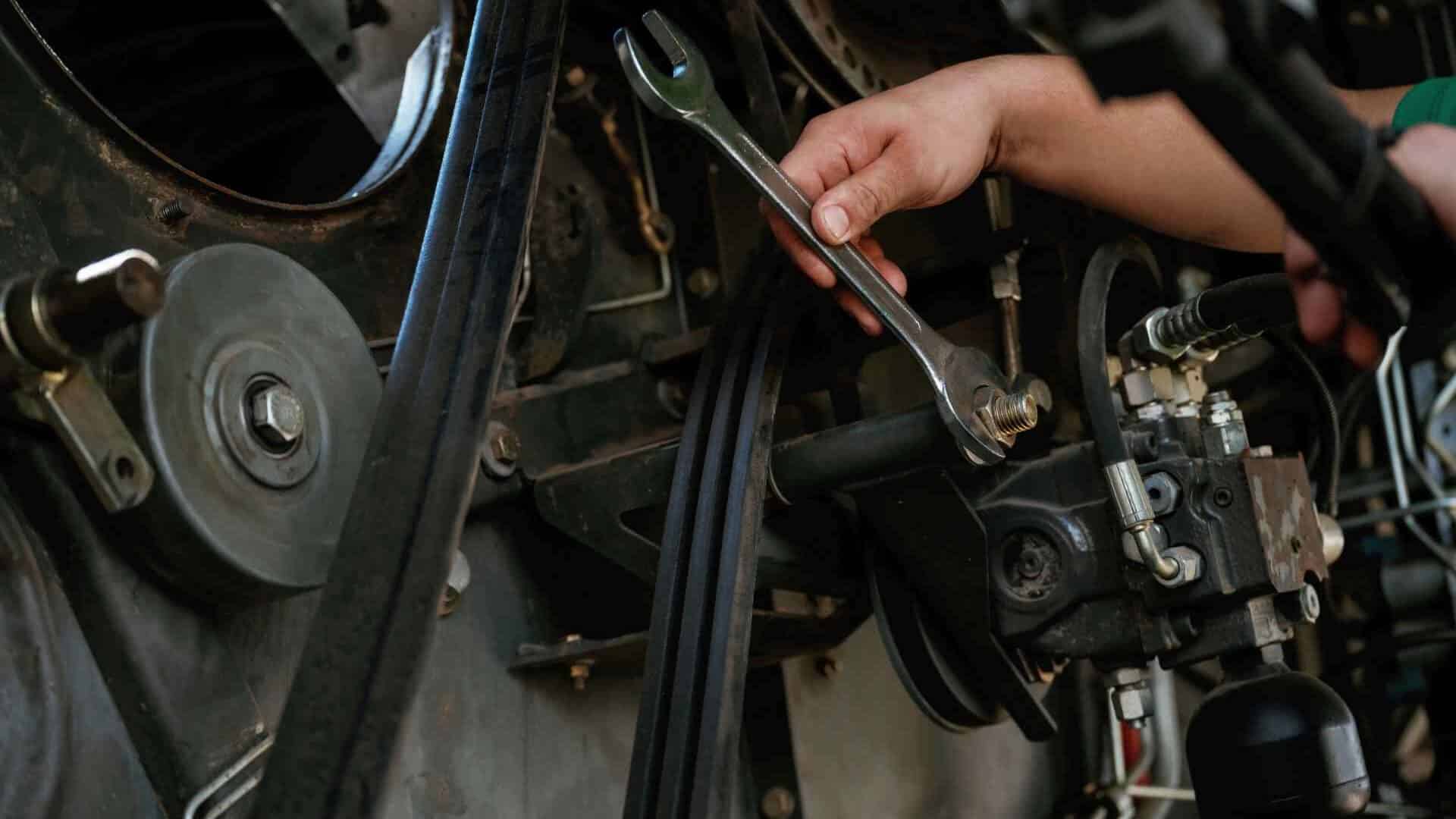
Introduction to Operational Efficiency
Operational efficiency in industrial settings is critical for businesses aiming to maximize productivity and reduce waste. It involves optimizing processes to produce the highest amount of output with the least amount of input, effectively reducing costs and improving quality. This concept is not only central to profitability but also enhances competitive advantage.
In the industrial sector, operational efficiency translates into streamlined operations, reduced downtime, and minimized waste. Implementing efficient processes ensures that resources are utilized optimally, thereby improving lean manufacturing practices. A focus on operational efficiency enhances the overall performance and sustainability of a manufacturing unit by effectively managing energy, material, and labor resources.
To achieve high levels of operational efficiency, key metrics such as equipment uptime, production rate, and waste levels should be continuously monitored. Evaluating these metrics ensures that processes are kept in check and aligned with business goals. Additionally, fostering an improving workplace safety culture can also significantly contribute to efficiency, as a safe workplace minimizes accidents and interruptions.
Defining Operational Efficiency
Operational efficiency is defined as the ability of an organization to deliver products or services in the most cost-effective manner without compromising on quality. In industrial settings, this involves the careful alignment of processes, machinery, and human resources to optimize output. Efficiency measures are crucial as they directly impact the bottom line, allowing industries to remain competitive.
By focusing on operational efficiency, companies can identify and eliminate bottlenecks in their processes, leading to smoother workflows and quicker turnaround times. This strategic approach also supports sustainable practices by reducing waste and conserving resources.
Importance in Industrial Sectors
Operational efficiency is a cornerstone of success in industrial sectors, where margins are often tight, and competition is fierce. Efficiency translates to reduced production costs, allowing companies to offer competitive pricing and improve their market position. Additionally, operationally efficient industries are better equipped to handle market fluctuations and customer demand surges.
Moreover, efficient operations contribute to environmental sustainability by minimizing waste and reducing energy consumption. This is increasingly important as industries face pressure to adhere to environmental regulations and consumer expectations for eco-friendly products.
Key Metrics to Consider
To ensure operational efficiency, industries must focus on key performance metrics such as equipment utilization rates, production efficiency, cycle times, and defect rates. Monitoring these metrics provides insights into areas of improvement and supports continuous enhancements in the workflow.
Regularly assessing these metrics helps in identifying inefficiencies and allows for immediate corrective actions. For instance, improving equipment utilization rates can significantly impact overall productivity and reduce idle times in the production cycle.

Two industrial workers collaborating over a laptop in a workshop, promoting team efficiency.
Methods to Improve Workflow Efficiency
Improving workflow efficiency in industrial environments requires a systematic approach towards streamlining processes, adopting advanced technologies, and fostering employee engagement. These strategies help in achieving faster outputs, reduced waste, and improved quality, crucial for maintaining a competitive edge.
Streamlining Processes
Efficient workflows can be achieved by industrial supply chain optimization that ensures seamless transitions between different stages of production. By simplifying processes, industries can minimize redundancies and eliminate unnecessary steps, leading to faster completion times.
Effective process streamlining involves evaluating current practices, identifying bottlenecks, and implementing improvements that enhance overall productivity. This can include reconfiguring production lines, integrating automation, and employing lean manufacturing principles.
Embracing Advanced Technologies
The integration of advanced technologies is a key driver for achieving operational efficiency. Incorporating automation and smart technology can significantly enhance capabilities and reduce errors. Technologies such as AI, machine learning, and power transmission efficiency solutions are transforming traditional manufacturing processes.
Advanced technologies enable real-time monitoring and predictive maintenance, thus reducing downtime and extending equipment lifespan. They also facilitate data collection and analysis, allowing for more informed decision-making and process optimization.
Employee Training and Engagement
Engaging and training employees is vital to the success of workflow efficiency endeavors. Well-trained employees can operate advanced machinery more effectively and adapt to process changes swiftly. Encouraging a culture of continuous improvement and innovation among employees leads to increased motivation and productivity.
Training programs should focus on both technical skills and soft skills such as problem-solving and collaboration. Employee engagement also involves recognizing and addressing workplace challenges promptly to maintain a motivated workforce.
Utilizing Data-Driven Decisions
Data-driven decision-making is essential for identifying opportunities for improvement and cost reduction. By analyzing production data, companies can gain insights into operational inefficiencies and make informed decisions that drive efficiency.
This approach not only facilitates immediate problem resolution but also lays the groundwork for strategic initiatives that align with long-term business objectives. Implementing data-centric strategies helps in anticipating market changes and maintaining a proactive operational stance.
Overcoming Challenges in Achieving Operational Efficiency
Achieving operational efficiency is often fraught with challenges that require strategic solutions to overcome. Common obstacles include equipment breakdowns, excessive downtime, and inefficient resource allocation, all of which can significantly impact productivity.
Identifying Common Challenges
The first step towards operational efficiency is to accurately identify the challenges that impede progress. Equipment failures, inconsistent supply chains, and lack of skilled workforce are frequently encountered issues in industrial settings.
Additionally, poor communication and coordination among departments can lead to delays and wastage. Understanding these challenges allows industries to formulate strategies that address root causes rather than just symptoms.
Overcoming Obstacles with Proven Methods
Tackling these challenges requires a mix of strategies tailored to specific industry needs. Key methods include:
- Addressing Equipment Failures: Routine maintenance and upgrades help prevent unexpected breakdowns.
- Managing Downtime Effectively: Implementing proactive scheduling reduces idle times and maximizes output.
- Optimizing Resource Allocation: Efficient distribution of resources minimizes wastage and supports sustainability.
- Implementing Lean Manufacturing Practices: Techniques like Just-In-Time reduce inventory costs and enhance efficiency.
- Enhancing Communication Channels: Open and frequent communication ensures all team members are aligned.
- Balancing Cost and Quality: Emphasizing quality in production processes without escalating costs.
- Integrating Sustainable Practices: Eco-friendly operations reduce environmental impact and improve brand image.
- Fostering Innovation: Encouraging creative approaches to process improvements boosts competitive advantage.
Employing these methods helps industries in mitigating the impacts of inefficiencies while setting the stage for sustained success.
Monitoring and Evaluation
Continuous monitoring and evaluation are crucial for maintaining and enhancing operational efficiency. Establishing key performance indicators (KPIs) and regularly reviewing them ensures that processes are aligned with organizational goals.
Through diligent monitoring, industries can identify inefficiencies early and implement corrective measures promptly. This proactive approach fosters a culture of continuous improvement, leading to long-term operational success.

Two professionals analyzing equipment utilization data on a laptop in a factory.
The Impact of Equipment Maintenance on Operational Efficiency
Equipment maintenance is a critical component of operational efficiency, significantly impacting productivity and process reliability. Regular maintenance ensures machinery operates at optimal capacity, reducing the likelihood of unexpected breakdowns and costly repairs.
In industrial settings, equipment maintenance directly correlates with overall efficiency levels, as well-maintained machines contribute to uninterrupted production cycles. Additionally, investing in maintenance supports longer equipment lifespans, enhancing return on investment and resource utilization.
Significance of Regular Maintenance
Regular maintenance is essential for ensuring that industrial equipment performs efficiently and reliably. It helps mitigate risks associated with wear and tear, preventing sudden failures that cause operational disruptions.
Additionally, performed maintenance boosts employee safety, as machines are regularly checked for potential hazards. A commitment to routine maintenance indicates an organization’s dedication to safety and efficiency, positively influencing workforce morale.
Preventive vs Predictive Maintenance
Industrial sectors benefit from distinguishing between preventive and predictive maintenance strategies. Preventive maintenance involves scheduled inspections and interventions, aimed at averting issues before they occur.
Conversely, predictive maintenance relies on data analytics and monitoring technologies to predict potential failures. By adopting these strategies, industries can optimize maintenance schedules, ensuring timely interventions that reduce unplanned downtime and costs.
Adopting Best Practices
The adoption of best maintenance practices is essential for sustaining operational efficiency. Some practices include:
- Routine Inspections: Conduct frequent checks to identify potential issues early.
- Timely Replacements: Replace worn-out parts promptly to prevent further damage.
- Using Quality Parts: Employ high-quality components to ensure durability and performance.
- Leveraging Technology: Implement advanced technology for real-time monitoring and diagnostics.
- Effective Training Programs: Train staff in maintenance procedures to enable quick and efficient problem resolution.
- Documentation and Record Keeping: Maintain detailed records to track maintenance history and strategies.
- Continuous Improvement: Regularly review and update maintenance practices for ongoing enhancement.
By implementing these best practices, companies can maintain high levels of operational efficiency, fostering productivity and profitability.
Sustainable Practices and Operational Efficiency
Incorporating sustainable practices into industrial operations significantly enhances operational efficiency and reduces environmental impact. Such practices not only foster a positive brand image but also contribute to long-term profitability and resource conservation.
Industries today are increasingly adopting eco-friendly processes to align with global environmental standards and consumer expectations. These sustainable approaches drive efficiency by minimizing waste and optimizing resource use.
Understanding Sustainability in Industry
Sustainability in the industrial sector involves implementing strategies that balance profitability and environmental responsibility. This approach focuses on reducing resource consumption, minimizing emissions, and ensuring ethical labor practices.
By understanding the core principles of sustainability, industries can develop processes that support both operational efficiency and ecological preservation, thereby contributing to a healthier planet.
Implementing Eco-Friendly Processes
Implementing eco-friendly processes involves adopting techniques that enhance efficiency while conserving resources. Techniques such as recycling, energy-efficient production methods, and waste reduction are integral to sustainable operations.
Moreover, extending equipment lifespan through proper maintenance and lockout tagout (LOTO) safety protocols minimizes ecological impact. These processes ensure industrial activities are both productive and responsible.
Long-Term Benefits of Sustainability
The long-term benefits of sustainability in operations are manifold. Sustainable practices enhance efficiency, reduce costs, and attract eco-conscious customers, leading to improved market positioning.
In addition, they contribute to better compliance with environmental regulations, reducing the risk of legal issues and penalties. As industries prioritize sustainability, they foster innovation and resilience, crucial for adapting to future challenges.
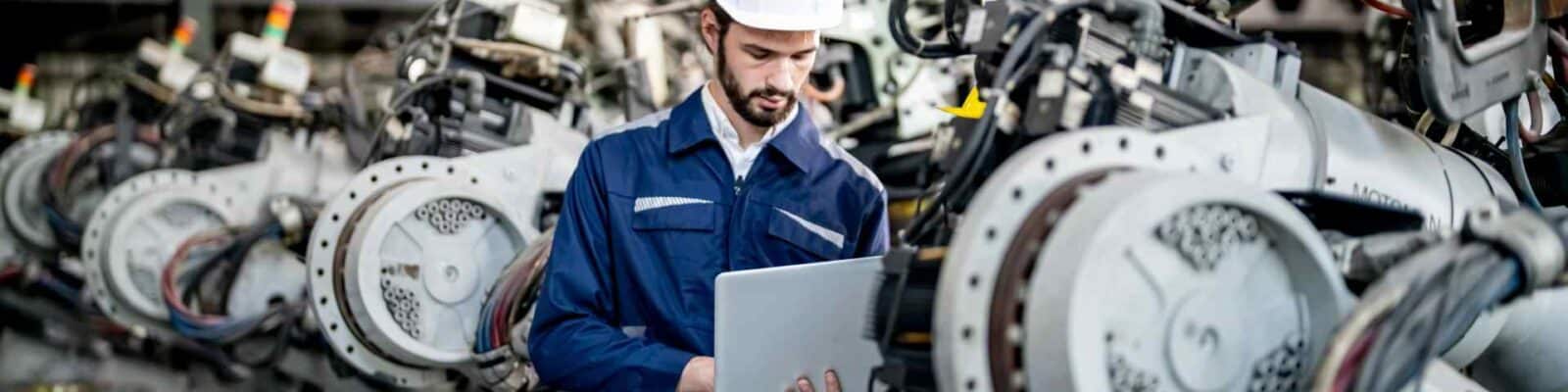
Engineer using a laptop to evaluate machinery as part of lifecycle management.
In-House vs Outsourced Solutions for Operational Efficiency
Deciding between in-house management and outsourcing operational efficiency solutions is crucial for industrial businesses. Each approach offers distinct advantages, and the choice depends largely on company size, resources, and specific operational needs.
In-house management provides greater control over processes, allowing for tailored strategies and quick decision-making. Conversely, outsourcing can offer cost savings and access to specialized expertise.
Benefits of In-House Management
Choosing in-house management allows companies to maintain direct oversight of their operational strategies. This approach enables the development of customized solutions that align closely with the company’s unique needs and objectives.
Furthermore, having an internal team fosters a deeper understanding of the company’s culture, ensuring that efficiency strategies are seamlessly integrated into existing processes. This can lead to quicker problem-solving and more cohesive operations.
Advantages of Outsourcing
Outsourcing operational efficiency solutions can be particularly beneficial for companies with limited resources or expertise in certain areas. Key advantages include:
- Cost Efficiency: Outsourcing can reduce overhead costs and provide access to advanced technologies and expertise.
- Access to Expertise: Partnering with specialized firms brings in-depth knowledge and experience to tackle complex challenges.
- Scalability: Outsourced solutions can be easily scaled to match company growth and changing demands.
These benefits make outsourcing an attractive option for businesses looking to enhance belt drive troubleshooting and other domain-specific tasks.
Making the Right Choice
When deciding between in-house and outsourced solutions, companies must consider their long-term goals, budget constraints, and available resources. It is crucial to assess the specific needs of the organization and determine which approach offers the best alignment with desired outcomes.
Ultimately, the choice should support the company’s broader strategic objectives and drive operational efficiency, ensuring sustained success and competitiveness in the industrial landscape.
Future Trends in Operational Efficiency
The future of operational efficiency in the industrial sector is set to be shaped by groundbreaking technologies like automation, artificial intelligence (AI), and the Internet of Things (IoT). These innovations offer unprecedented opportunities to enhance efficiency and productivity.
As industries evolve, embracing these technologies is becoming essential for maintaining competitiveness and meeting increasing consumer demands for high-quality, sustainable products.
The Rise of Automation
Automation has become a cornerstone of industrial efficiency, enabling companies to streamline processes, reduce labor costs, and improve accuracy. By automating repetitive tasks, industries can focus on more strategic initiatives that drive growth and innovation.
Furthermore, automation supports consistent output quality, minimizing defect rates and enhancing customer satisfaction. This technology is critical for industries aiming to increase throughput and efficiency without compromising on quality.
AI and Machine Learning Applications
The integration of AI and machine learning in industrial operations is revolutionizing how companies approach efficiency. These technologies facilitate predictive analytics, enabling companies to anticipate and mitigate issues before they arise.
AI also enhances decision-making processes by providing insights derived from vast amounts of data, thereby supporting optimal production planning and resource allocation. By embracing AI, industries can achieve significant efficiency gains and maintain competitive advantage.
Integrating IoT in Manufacturing
The Internet of Things, or IoT, connects industrial equipment and processes, allowing for real-time monitoring and increased operational transparency. IoT devices collect data that can be used to optimize processes, predict maintenance needs, and enhance safety protocols.
IoT integration facilitates smarter manufacturing environments where processes are self-regulating and adaptive to changing conditions. As a result, industries experience enhanced efficiency, reduced downtimes, and improved overall operational outcomes.
Frequently Asked Questions
Operational efficiency refers to the practice of improving processes within a business to achieve maximum output with minimum input. By optimizing resources such as time, labor, and materials, companies can reduce waste and costs while increasing productivity.
Measuring operational efficiency involves tracking key performance indicators (KPIs) such as production output, lead times, equipment utilization, and waste levels. Regular monitoring of these metrics provides insights into process performance and areas that require improvement.
Key benefits include reduced operational costs, increased productivity, improved product quality, and enhanced competitive positioning. Efficient operations also enable better compliance with regulations and contribute to sustainable business practices.
Maintenance plays a crucial role in maintaining operational efficiency by ensuring that equipment operates reliably and at optimal performance levels. Regular maintenance reduces the risk of unexpected breakdowns, minimizes downtime, and extends the lifespan of machinery.
Technology is pivotal in enhancing operational efficiency by providing tools for automation, data analysis, and real-time monitoring. Innovations such as AI, IoT, and advanced machinery help streamline processes and provide insights that drive informed decision-making.
Outsourcing efficiency optimization can be beneficial for gaining access to expert knowledge, advanced technologies, and cost-effective solutions. However, the decision should be based on company resources, needs, and the complexity of the operations.
Sustainable practices can be integrated by adopting energy-efficient technologies, reducing waste, and implementing recycling and conservation strategies. These practices enhance operational efficiency by promoting resource efficiency and long-term ecological benefits.