Introduction to Lockout Tagout (LOTO)
The Lockout Tagout (LOTO) procedures are essential safety protocols that ensure workplace safety by preventing the accidental start-up of machinery or equipment during maintenance. This precaution is critical in industrial settings where heavy machinery and equipment are in constant use.
By effectively controlling hazardous energy, LOTO procedures protect workers from unexpected machine movements and energy releases. These safety measures are vital in reducing the risk of injuries and fatalities in the workplace.
To understand the importance of LOTO, it’s essential to consider historical incidents where the absence of these protocols led to dangerous situations. These procedures aim to address the inherent risks in industrial operations and foster a culture of safety.
Why LOTO is Essential
LOTO protocols play a crucial role in ensuring compliance with OSHA standards, which are designed to protect employees from workplace hazards. OSHA compliance emphasizes the necessity of these procedures in maintaining a safe working environment.
Adopting LOTO procedures not only helps in adhering to regulatory standards but also promotes a proactive approach to workplace safety. By integrating these protocols, companies can significantly minimize the chances of accidents and enhance overall operational safety.
These procedures contribute to not only safeguarding the workforce but also to enhancing equipment reliability and optimizing production efficiency.
Historical Context of LOTO
The development of LOTO procedures can be traced back to various industrial mishaps that prompted the need for stringent safety measures. Historically, the lack of proper controls led to severe accidents, highlighting the critical need for standardized safety protocols.
The evolution of LOTO has seen significant enhancements, driven by technological advancements and a growing awareness of workplace safety. These developments underscore the ongoing commitment to protecting workers and maintaining safe operational environments.
Tapping into historical knowledge, industries have continuously improved LOTO protocols, ensuring they adapt to changing safety demands and technological innovations.

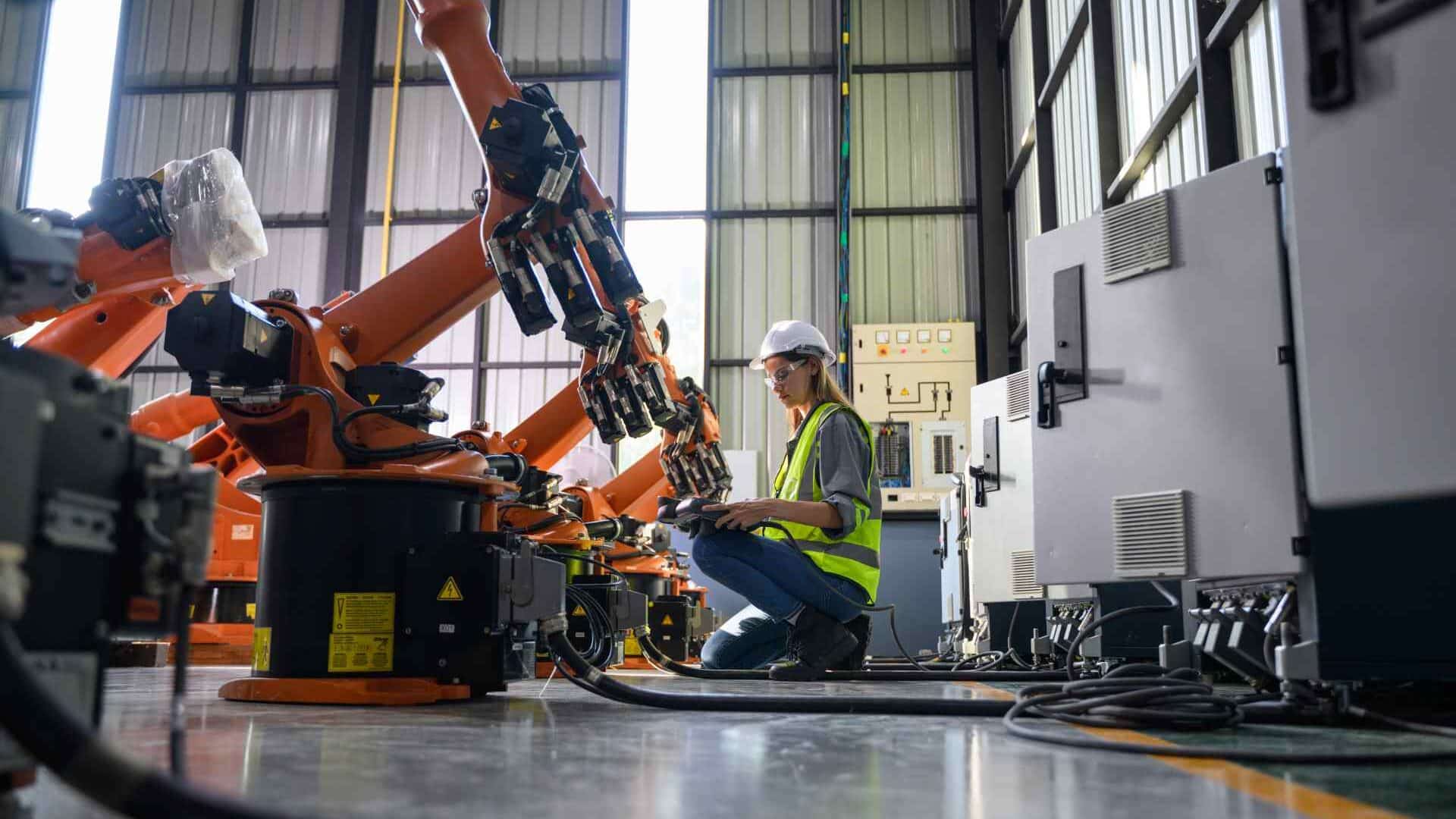
Industrial safety with a worker performing lockout-tagout on machinery to ensure operational safety.
Key Components of LOTO
Implementing effective LOTO procedures involves understanding its key components. These include lockout devices, tagout systems, and training personnel in their proper use. Each component is crucial in ensuring the safety of workers during machinery maintenance or servicing.
Lockout devices are used to physically isolate energy sources, while tagout systems communicate the status and details of equipment being worked on. Together, they play a critical role in a comprehensive safety strategy.
By integrating personal protective equipment with these components, the overall protection of workers is enhanced, providing multiple layers of safety and security.
Implementing LOTO Procedures
Successful implementation of LOTO procedures begins with a thorough evaluation of the workplace to identify all potential energy sources. This is followed by the development of detailed procedures tailored to the specific needs of the facility.
Training is a key aspect, ensuring all workers understand their roles and responsibilities within the LOTO framework. Comprehensive safety training equips employees with the knowledge they need to carry out these procedures effectively.
Regular updates and audits are necessary to maintain the effectiveness of these systems, adapting to any changes in the operational environment.
Communication and clarity are pivotal during implementation, with clearly defined steps and responsibilities outlined for each action.
Sequence of Lockout Actions
The sequence of lockout actions involves a systematic approach to ensure safety. This begins with notifying all affected workers and extends to the application of locking devices followed by the release of stored energy.
Verification steps are essential to confirm that all energy sources are isolated, mitigating risks before maintenance begins. These steps must be standardized and detailed to prevent any overlooking during the process.
Releasing from lockout involves a reverse procedure to restore machinery to operational status, demonstrating the importance of an orderly process in LOTO systems.
Common Mistakes During LOTO
Despite the procedures’ benefits, there are common pitfalls that can undermine LOTO effectiveness. One of the most frequent mistakes is inadequate training, which can lead to improper application of protocols. Miscommunication among team members is another factor that can introduce errors in the LOTO process.
Furthermore, bypassing proper material handling safety steps can compromise the effectiveness of the lockout tagout approach. Finally, failing to update LOTO procedures to reflect changes in equipment or processes can lead to vulnerabilities.
Avoiding Errors
Regular training is essential to keep employees updated on best practices and procedural changes. This ensures that everyone involved is equipped to handle LOTO processes effectively.
- Regular Training: Continuous skill updates and refreshers to maintain high competency levels.
- Clearly Labeled Equipment: All machinery should be appropriately marked to indicate lockout status, ensuring awareness among workers.
- Routine Safety Audits: Conduct systematic audits to ensure compliance and functionality of LOTO protocols.
Employing these measures will not only promote safety but also improve equipment reliability through consistent management and inspection practices.
Continuous Improvement Measures
Continuous improvement is vital for consistently enhancing LOTO procedures. This involves regular feedback collection from the workforce to understand ground-level issues and incorporate valuable insights into the system.
Advanced metrics can help in identifying weaknesses and strengths in existing processes, allowing for strategic adjustments. Additionally, integrating cutting-edge safety technologies offers another layer of protection and efficiency.
To stay ahead of potential safety threats, companies should always aim for innovation and adaptation within their safety procedures.

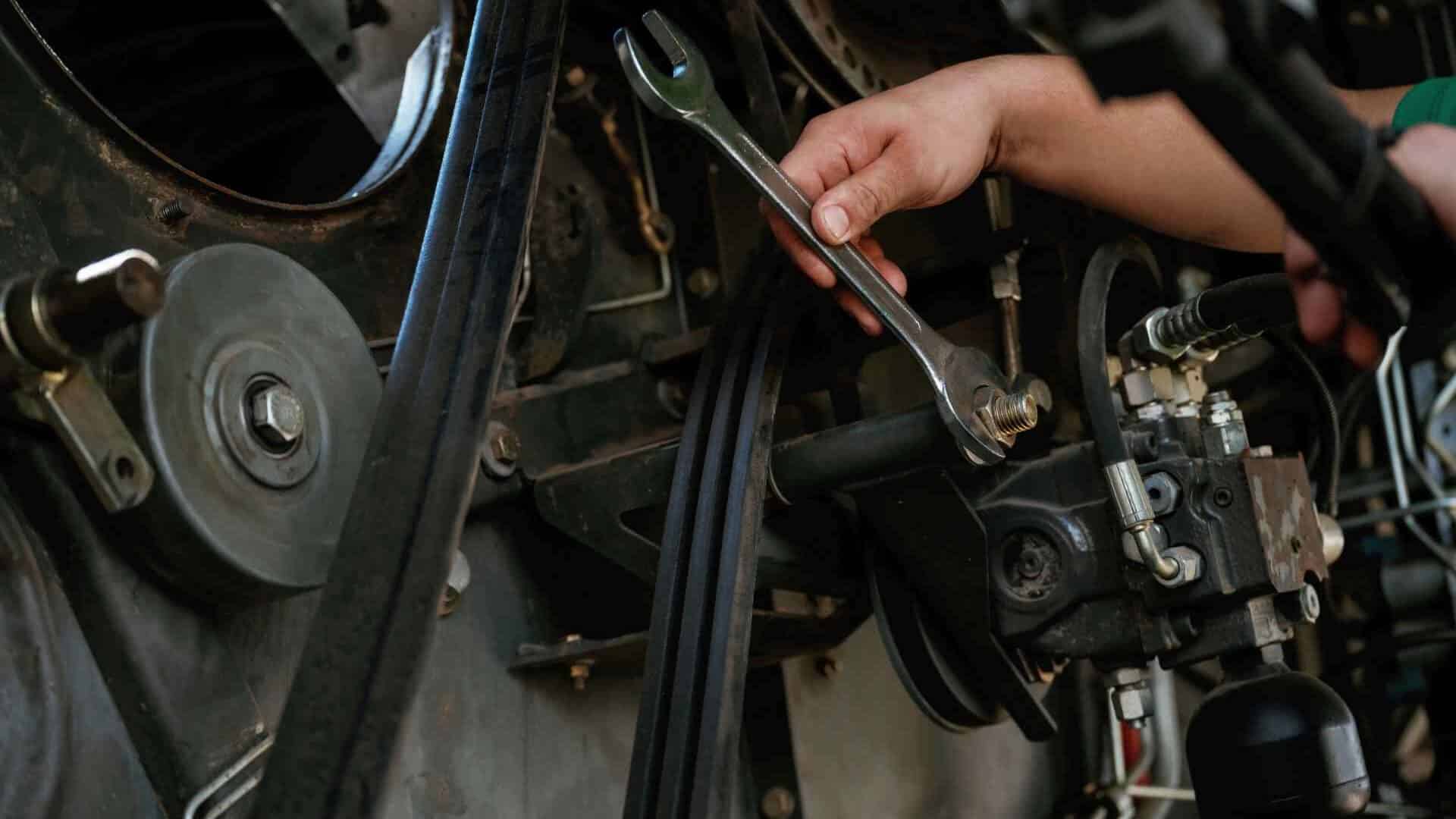
Industrial workers inspecting heavy machinery, ensuring operational and safety standards.
OSHA Requirements for LOTO
The Occupational Safety and Health Administration (OSHA) mandates strict guidelines for LOTO procedures to ensure the highest safety standards. These guidelines require employers to establish a comprehensive energy control program for hazardous energy during servicing and maintenance activities.
Detailed planning is necessary, as outlined by OSHA, to cover all potential risks and ensure that lockout procedures are clear and easily executable.
Compliance with these standards mitigates risk and assures injury prevention and workforce safety.
Ensuring Compliance
Compliance with OSHA guidelines involves several steps. Regular inspections help in identifying and rectifying deficiencies in existing procedures.
- Regular Inspections: Frequent evaluations to ensure adherence to safety protocols.
- Documentation of Procedures: Detailed recording of safety processes and steps for accountability.
- Employee Training Programs: Intensive educational sessions for employees to ensure understanding and compliance.
Ultimately, staying compliant ensures not only the safety of all workers but also maintains operational integrity.
Staying Updated on Regulations
With regulations continuously evolving, it’s crucial for businesses to keep abreast of the latest changes. This involves reviewing updates issued by OSHA and other regulatory bodies to ensure any procedural adjustments are swiftly made.
Effective communication within the organization about these updates ensures that no safety measures are overlooked. Maintaining an open channel for updates also helps in integrating technological advancements to improve safety protocols.
Comprehensive knowledge of regulatory changes ensures businesses can avert potential penalties and avoid operational disruptions.
Advanced LOTO Techniques
Advanced LOTO techniques encompass innovative strategies to enhance the efficacy of traditional safety protocols. These techniques include multi-level locking systems, electronic lockout devices, and enhanced communication systems for real-time monitoring.
Employing these advanced solutions can significantly improve workplace safety by addressing challenges posed by increasingly complex machinery and systems.
Furthermore, incorporating failure prevention tactics ensures long-term safety and efficiency.
Digital Solutions for LOTO
Technology now plays an integral role in optimizing LOTO procedures with solutions such as digital permit systems and mobile applications. These tools offer a centralized platform for monitoring, execution, and auditing of procedures, thereby reducing human errors and increasing processing speeds.
Digital solutions also allow for real-time documentation and ensure accountability at every step of the process.
By leveraging digital advancements, companies can significantly enhance the transparency and effectiveness of their LOTO systems.
Integrating Technology
Integrating technology into LOTO procedures not only streamlines operations but also enhances safety standards. The use of IoT devices and machine learning algorithms can predict potential faults, ensuring preventive measures are taken timely.
Technology integration offers insights and data analytics to continuously refine safety practices and protocols.
Adopting these innovative solutions positions companies to stay ahead in safety standards while maintaining efficient and effective operations.
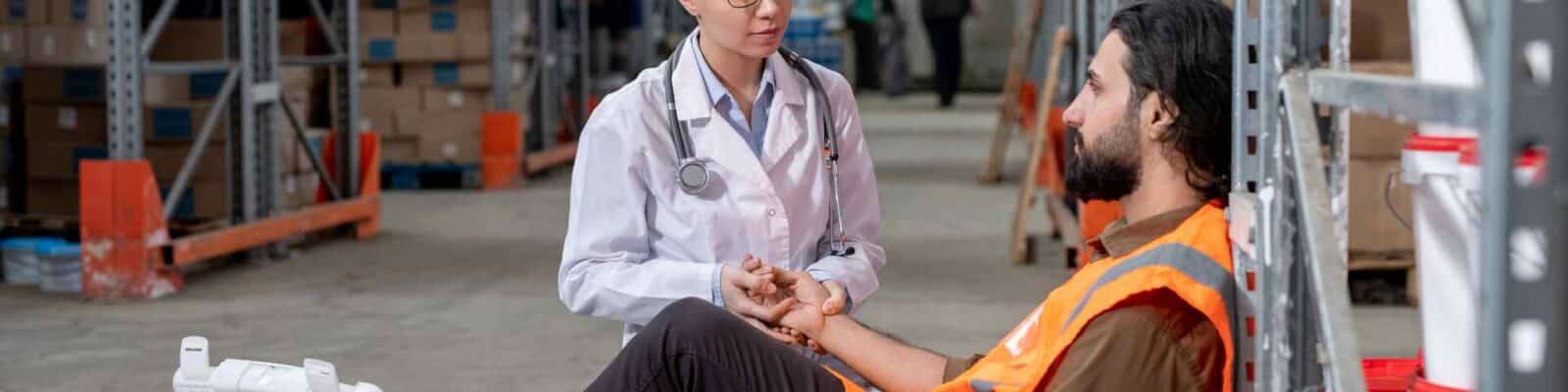
Safety officer discussing injury prevention with an employee in a warehouse setting.
Selecting LOTO Products
Choosing the right Lockout Tagout products is crucial for ensuring workplace safety and maintaining compliance with industry standards. There are several factors to consider when selecting these products, each impacting the overall safety efficiency.
- Durability: Products should withstand high wear and tear, given their frequent use in industrial environments.
- Compatibility with Equipment: Ensure products are suitable with the specific machinery used in your operations.
- Ease of Use: Select products that are intuitive and simple to apply, minimizing user error.
- Cost-effectiveness: Find products that offer the best value without compromising on safety standards.
- Vendor Reputation: Choose suppliers with a proven track record in safety equipment.
- After-sales Support: A reliable provider offers ongoing support and guidance.
Considering these factors will ensure a robust safety framework, reducing risks associated with machinery operations.
Evaluating Service Providers
When it comes to evaluating service providers, assessing their capability in delivering comprehensive and customized LOTO solutions is crucial. The right provider should offer tailored advice and documentation support, aiding in the effective deployment of safety measures.
Conducting thorough due diligence on service providers’ past performance and client testimonials can give insight into their service quality and reliability.
Choose providers who not only deliver LOTO products but offer holistic services encompassing training, consulting, and technical support.
Maintenance and Upkeep
Regular maintenance and upkeep of LOTO products and systems are vital in sustaining their effectiveness. This includes periodic inspections, timely replacements of worn-out devices, and updates to lockout procedures.
Maintaining an inventory of all LOTO equipment helps in tracking usage and ensuring availability. Adopting proactive measures in maintenance can prevent equipment failure and enhance safety measures.
These practices not only demand attention to detail but also contribute to a safer, more productive workplace environment.
Lockout Tagout FAQ
The primary goal of lockout tagout procedures is to ensure the safety of workers by preventing the accidental release of hazardous energy. This is achieved by de-energizing equipment and securing it in an inoperative state during maintenance or servicing.
LOTO procedures should be updated regularly to accommodate any changes in machinery, operational processes, or safety regulations. It’s recommended to review and update all lockout tagout protocols at least annually, or more frequently as required by operational changes.
Penalties for non-compliance with LOTO regulations can include heavy fines, legal action, and increased risk of workplace injuries. Organizations may also face reputational damage and disruptions in operations if found to be non-compliant.
While traditional LOTO procedures are largely manual, advancements in technology have enabled certain aspects to be automated. This includes digital monitoring and locking systems that can streamline processes while still ensuring compliance with safety standards.
LOTO procedures can be integrated with other safety protocols such as emergency response plans, hazard communication standards, and routine safety best practices. This integration enhances overall workplace safety by providing comprehensive protection against various hazards.
Supervisors play a crucial role in the LOTO process by overseeing the implementation, ensuring compliance, conducting training sessions, and auditing the effectiveness of these procedures to maintain a safe working environment.
Common misconceptions about LOTO include the belief that tagout alone is sufficient to ensure safety, or that LOTO is only necessary for high-voltage equipment. In reality, comprehensive lockout and tagout processes are essential for all types of equipment to prevent accidental energy release.
Technology can enhance LOTO implementation by offering digital solutions for tracking, auditing, and managing lockout tagout processes. Technologies such as IoT and smart tags facilitate real-time monitoring and documentation, leading to improved efficiency and compliance.