Introduction to Industrial Supply Chain Optimization
Industrial supply chain optimization is a critical component of modern manufacturing processes, enhancing efficiency and reducing costs. By optimizing the supply chain, manufacturers can streamline operations, minimize downtime reduction, and improve overall productivity. This process involves leveraging advanced technologies and strategic planning to enhance each stage of the manufacturing chain.
What is Industrial Supply Chain Optimization?
At its core, industrial supply chain optimization involves the strategic management of resources, from raw materials to delivery of final products, ensuring maximum efficiency and minimum waste. This holistic approach not only improves manufacturing lean manufacturing operations but also boosts supply chain efficiency by integrating advanced data analytics and collaborative technologies.
Key Benefits of Optimization
Optimizing the supply chain offers numerous benefits that directly impact a company’s bottom line. These include:
- Cost Reduction: Streamlining processes leads to reduced expenses in logistics and inventory management.
- Improved Delivery Performance: Enhances customer satisfaction by ensuring timely delivery of products.
In addition, improved supply chain processes result in better resource allocation, increasing overall manufacturing efficiency.
Challenges in Supply Chain Management
Despite its benefits, optimizing supply chains is not without challenges. Complexities in logistics, fluctuating demand, and supply chain disruptions can hinder efficiency. Moreover, integrating new technologies and systems poses additional challenges, requiring a balance between innovation and operability.
Manufacturers must develop robust strategies to tackle these hurdles, ensuring continuous improvement in supply chain operations while adapting to market dynamics.
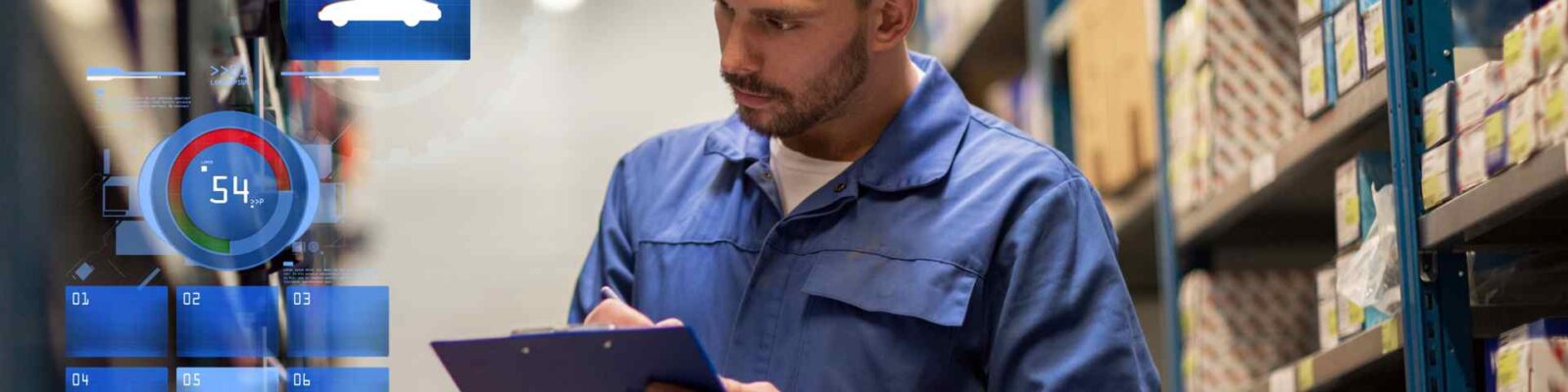
Male manager reviewing digital data for supply chain optimization in a warehouse setting.
Strategies for Supply Chain Optimization
To enhance supply chain efficiency, manufacturers can implement several strategic approaches. These strategies leverage technology integration and process improvements, ultimately boosting operational efficiency.
Implementing Technology
Technology integration is key to enhancing supply chain operations. By incorporating digital tools and platforms, companies can automate routine processes, reduce human error, and improve coordination across various departments.
- Streamlining Operations: Eliminating redundancies and optimizing workflows to increase productivity.
- Inventory Management Solutions: Utilizing advanced software for accurate forecasting and inventory control.
Such technologies support the seamless operation of supply chains while ensuring timely responses to market changes.
Improving Communication and Supplier Relationship Management
Effective communication and robust supplier relationships are crucial for successful supply chain management. Establishing clear channels for information flow improves coordination and reduces misunderstandings that can lead to delays.
Warehouse safety best practices and ongoing training programs can further bolster these efforts, ensuring all stakeholders are aligned in their goals and expectations.
Technology’s Role in Optimization
Advanced technologies such as big data analytics and machine learning play a pivotal role in modern supply chain optimization. These tools provide valuable insights into operational patterns, enabling managers to make informed decisions.
In addition, process automation and the use of IoT devices in preventive maintenance further streamline operations, enhancing efficiency and reducing downtime.
Current Trends in Supply Chain Optimization
The landscape of supply chain optimization is constantly evolving, influenced by technological advancements and changing market demands. Staying updated on these trends is crucial for maintaining competitive advantage in the manufacturing industry.
Current Trends in Supply Chain
Several current trends are reshaping supply chain optimization. These include:
- Digital Transformation: The shift towards digital processes enhances efficiency through automation and data-driven decision making.
- Sustainability: Growing emphasis on eco-friendly practices to reduce environmental impact.
Manufacturers are increasingly adopting these trends to improve supply chain operations and align with global standards.
Future Prospects and Innovations
The future of supply chain optimization will be shaped by innovations in artificial intelligence, blockchain, and predictive analytics. These technologies promise to further enhance operational efficiency by providing real-time insights and fostering transparent supply chain processes.
Manufacturers are exploring these innovations to improve equipment failure prevention and reduce operational costs in the long term.
Impact on Global Manufacturing
Global manufacturing is set to benefit significantly from ongoing supply chain improvements. The integration of new technologies facilitates faster and more reliable production processes, reducing bottlenecks and improving consistency.
These advancements are crucial for maintaining global competitiveness, ensuring that manufacturers can meet increasing consumer demands smoothly and effectively.
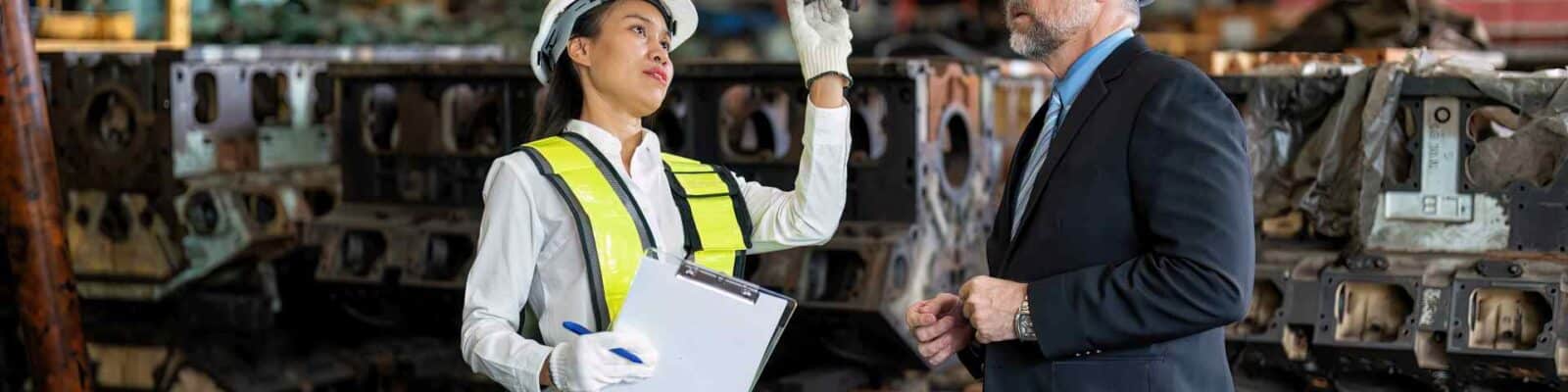
Industry professionals engage in a strategic meeting discussing optimized procurement solutions.
Tools and Technologies for Supply Chain Optimization
Optimizing industrial supply chains relies heavily on the adoption of advanced tools and technologies. These innovations aid in creating more efficient and resilient networks.
Essential Tools for Optimization
Key tools for modern supply chain optimization include:
- Artificial Intelligence: AI-driven insights and automation improve operational accuracy and decision making.
- Blockchain: Enables secure and transparent tracking of goods across the supply chain.
These tools, along with others like IoT and big data, form the backbone of efficient supply chain strategies.
Emerging Technologies
Several emerging technologies are poised to transform supply chain management. By embracing these innovations, manufacturers can significantly enhance operational industrial equipment maintenance and overall efficiency.
- Internet of Things (IoT): IoT devices enable real-time monitoring and management of supply chain operations.
- Cloud Computing: Facilitates scalable and flexible data management solutions.
These technologies offer new ways to optimize complex supply chains, reducing downtime and increasing reliability.
Integration with Existing Systems
Integrating new technologies with existing systems can be challenging but is necessary for effective supply chain optimization. Proper integration ensures that new tools complement current processes without causing disruption.
Attention to detail and comprehensive planning are vital for equipment reliability and seamless technology integration.
Sustainability and Supply Chain Optimization
Sustainability has become a cornerstone of modern supply chain strategies, offering numerous benefits beyond traditional operational efficiency.
Sustainability in Supply Chains
Incorporating sustainability practices involves adopting eco-friendly strategies that minimize environmental impact while maximizing resource efficiency. These practices not only foster environmental stewardship but also drive long-term benefits for businesses.
The integration of sustainable practices often includes efficient waste management, reduced greenhouse emissions, and energy consumption, aligning with industry standards and consumer expectations for green initiatives.
Benefits of Sustainable Practices
Adopting sustainable supply chain practices offers several benefits:
- Cost Reduction: Lowering waste and energy usage directly reduces operational costs.
- Enhanced Brand Image: Companies that embrace sustainability often enjoy a stronger brand reputation and customer loyalty.
Sustainable practices also ensure compliance with environmental regulations and mitigate risks associated with resource scarcity.
Implementing Green Solutions
Implementing green solutions requires a strategic approach that involves collaboration with key stakeholders. By fostering partnerships and investing in sustainable technologies, manufacturers can ensure the success of their green initiatives.
Continued focus on sustainability will enable businesses to achieve greater efficiency and resilience in their supply chains, paving the way for a more sustainable future in the industry.

Blurred view highlighting specific warehouse shelves stocked with supplies in Rainbow City, AL.
Best Practices for Enhancing Supply Chain Efficiency
Improving supply chain efficiency is a multifaceted process that incorporates best practices and continuous improvement approaches. Such strategies are essential for maintaining competitive advantages and operational excellence in manufacturing.
Best Practices for Efficiency
Effective supply chain management relies on adopting best practices that enhance performance and reliability. These include:
- Vendor Collaboration: Building strong partnerships with suppliers to ensure seamless supply chain operations.
- Regular Monitoring: Conducting ongoing evaluations of supply chain processes to identify areas for improvement.
- Training and Development: Investing in employee training to enhance skill sets and efficiency.
These practices form the foundation for effective supply chain operations, promoting resilience and adaptability in a dynamic market environment.
Reducing Redundancies
Minimizing redundancies within the supply chain can significantly enhance its efficiency. This involves streamlining processes, eliminating unnecessary steps, and focusing resources on value-added activities.
Manufacturers can reduce operational waste and improve productivity by adopting a lean approach to supply chain management, implementing changes that align with their specific business goals.
Continuous Improvement Approaches
Continuous improvement is a central tenet of successful supply chain management. By fostering a culture of innovation and openness to change, companies can implement improvements that sustain long-term efficiency.
Material handling safety considerations and proactive v-belts and pulleys maintenance practices can further support these efforts, ensuring optimal supply chain performance.
Managing Risks in Supply Chain Optimization
Supply chain optimization involves various risks, from geopolitical tensions to market fluctuations. Effectively managing these risks ensures that manufacturing operations remain smooth and productive.
Identifying Supply Chain Risks
The first step in managing supply chain risks is identifying potential threats, such as disruptions in transportation, supplier inconsistencies, and economic uncertainties. Knowing these risks allows manufacturers to develop strategies that mitigate them.
By conducting comprehensive risk assessments, companies can foresee potential challenges and devise strategies to address them proactively.
Mitigation Strategies
To mitigate risks, manufacturers can implement several strategies. These include diversifying the supplier base, increasing inventory buffers, and enhancing communication with supply chain partners.
These strategies help minimize exposure to unexpected disruptions, allowing companies to maintain steady production levels even in challenging circumstances.
Developing a Risk Management Plan
A well-structured risk management plan is essential for effectively handling supply chain risks. This plan should outline the steps for risk identification, assessment, and mitigation, providing a clear framework for action during crises.
Choosing the right bearing and prioritizing extending equipment lifespan can also reduce risks associated with equipment failures, reinforcing the company’s ability to respond to potential disruptions.
Concluding Remarks on Supply Chain Optimization
Industrial supply chain optimization plays a strategic role in enhancing manufacturing efficiency and reducing operational costs. By implementing best practices and leveraging advanced technologies, companies can achieve significant improvements in their supply chain operations.
Key Takeaways
Optimized supply chains contribute to improved performance and cost efficiency. Key elements include technology integration, sustainable practices, and effective risk management. Together, these elements ensure the resilience and competitiveness of manufacturing operations.
By staying proactive and informed about industry trends, manufacturers can maintain their supply chain’s strength and adaptability.
Long-term Strategic Benefits
The long-term benefits of effective supply chain management are multifaceted. These include enhanced customer satisfaction, resilience to market changes, and greater operational flexibility.
Companies that invest in ongoing improvements and strategic planning are better positioned to thrive in the ever-evolving industrial landscape.
Final Considerations
In conclusion, industrial supply chain optimization is crucial for maintaining a competitive edge in manufacturing. A focus on belt drive troubleshooting and a thorough cutting tool selection guide can further bolster manufacturing efficiency.
Continued attention to supply chain optimization ensures that manufacturers can meet the growing demands of a dynamic global marketplace.
Frequently Asked Questions
Industrial supply chain optimization involves the strategic enhancement of manufacturing operations to improve efficiency, reduce costs, and ensure timely delivery of products. It incorporates advanced technologies and process improvements to streamline operations.
Technology enhances supply chain efficiency by automating processes, reducing human error, and improving information flow. Tools such as AI, IoT, and cloud computing provide real-time insights and predictive capabilities, enabling proactive decision-making and efficient resource management.
Sustainable supply chain practices offer several benefits, including cost reduction through improved efficiency, enhanced brand reputation by aligning with eco-friendly standards, and compliance with environmental regulations. These practices also contribute to long-term operational resilience.
Risks in supply chain management can be mitigated by diversifying suppliers, implementing detailed risk management plans, increasing inventory buffers, and using technology for real-time monitoring. These strategies help maintain stability in the face of disruptions.
Key trends in supply chain optimization include digital transformation, the integration of AI and machine learning for predictive analytics, and a focus on sustainability. These trends drive efficiency, enhance transparency, and ensure supply chain resilience.
Small businesses can benefit from supply chain optimization by leveraging technology to improve process efficiency and by adopting best practices for risk management. Doing so helps them compete effectively, reduce costs, and enhance their service offerings.