Introduction to Industrial Safety Training Programs
Importance of Industrial Safety Training
Industrial safety training is crucial in minimizing workplace accidents and enhancing employee awareness of potential hazards. Effective training programs equip workers with necessary skills to identify risks and adopt best practices for handling machinery and materials safely. Establishing strong preventive measures through consistent training not only safeguards employees but also enhances operational efficiency.
Many industries have embraced OSHA compliance to ensure their facilities meet safety standards. This compliance helps companies stay updated with the latest protocols and regulations, reducing the likelihood of legal issues and promoting a safe working environment for everyone involved. Paying attention to these standards demonstrates a commitment to worker safety and company integrity.
Building a Safer Work Environment
A safer work environment is a direct result of comprehensive safety training. Training programs that emphasize the importance of identifying and mitigating risks create a culture where safety is prioritized. For instance, incorporating insights from improving workplace safety culture can significantly enhance employees’ perception of safety importance and adherence to protocols.
Through training, employees become proactive in identifying potential hazards and report them promptly, ensuring that corrective measures are taken before any incident occurs. The integration of regular safety drills and evaluations also helps in maintaining a high standard of safety awareness across all levels of the organization.
Training Program Highlights
Key highlights of effective industrial safety training programs include hands-on experiences, interactive content, and routine safety assessments. These components ensure that employees are not just passively receiving information but actively engaging in learning, leading to better knowledge retention and application. Furthermore, the ability to tailor programs to specific industry needs makes training more relevant and effective.
Regular refresher courses and updates on the latest safety technologies and protocols help to keep employees informed about new challenges and solutions. By doing so, companies cultivate an adaptive workforce that is well-prepared to respond to evolving industrial safety standards and potential threats, leading to a significant reduction in workplace injuries.
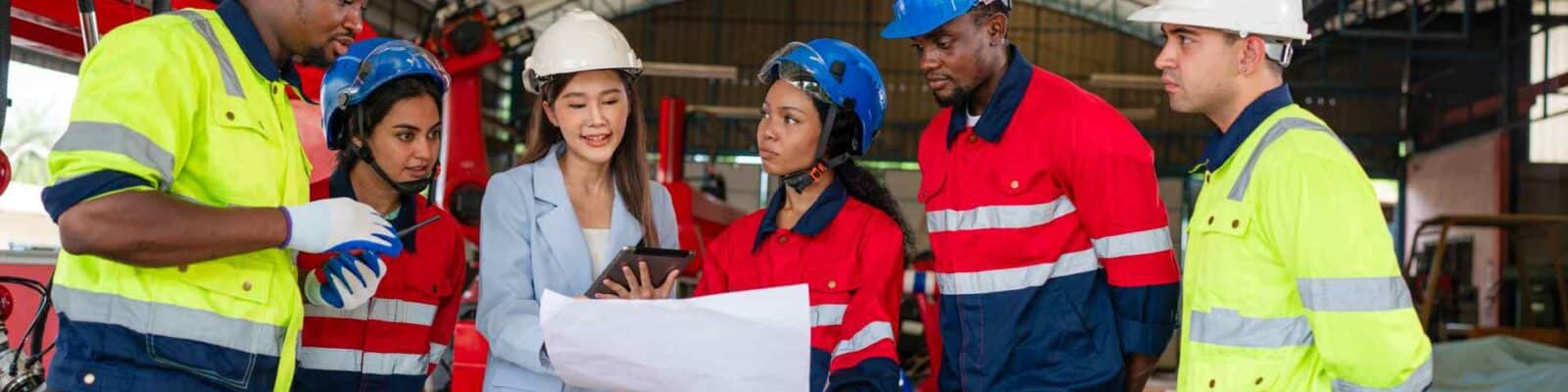
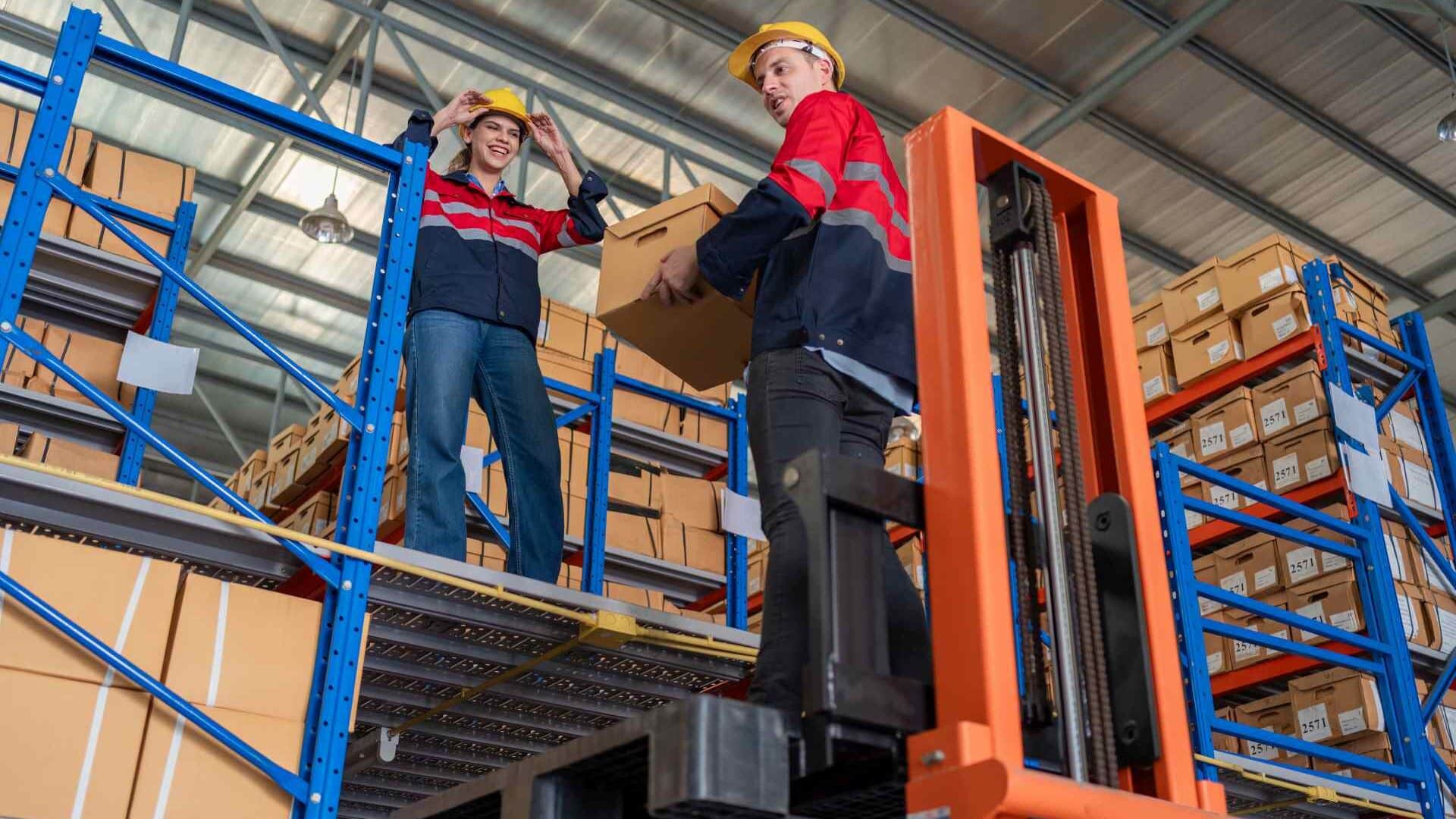
Diverse group of workers engaged in a safety training session with safety gear in background.
Key Components of an Effective Industrial Safety Training Program
Comprehensive Curriculum
A comprehensive curriculum is the cornerstone of effective industrial safety training. It encompasses a wide range of topics tailored to address specific industry risks, including proper handling of hazardous materials, the use of personal protective equipment (PPE), and emergency response procedures. By delivering targeted education on these areas, businesses can significantly reduce the risk of accidents.
Moreover, this curriculum should be dynamic, adapting to new safety challenges and regulations, ensuring employees are always equipped with the necessary knowledge and skills.
Interactive Training Techniques
Interactive training techniques engage employees more effectively than traditional methods. Techniques such as role-playing, safety simulations, and group discussions encourage participants to actively participate and apply their learning in real-life scenarios. This approach not only boosts understanding but also reinforces the implementation of safety protocols in daily operations.
Compliance and Regulations
Ensuring that industrial safety training aligns with existing workplace injury prevention standards and fall protection equipment requirements is critical for program success. Compliance with industry regulations helps in maintaining consistency in safety practices, thereby minimizing legal risks and enhancing overall workplace safety. Regular audits and assessments of training programs ensure continued alignment with these regulations, fostering a culture of continuous improvement.
Diverse Methodologies in Safety Training to Enhance Learning
Hands-On Training
Hands-on training is an essential component of industrial safety education, allowing employees to practice safety procedures in a controlled environment. This method is particularly effective in reinforcing theoretical knowledge and building confidence in handling real-world scenarios. By providing a tangible learning experience, hands-on training ensures that safety protocols are second nature to employees, leading to safer work practices.
Simulation Exercises
Simulation exercises create a realistic and immersive learning experience, crucial for preparing employees for emergency situations. These activities include:
- Realistic scenarios:Simulating potential hazards to practice response.
- Safety drills:Conducting drills to master emergency protocols.
- Virtual reality setups:Using VR to experience dangerous situations safely.
- Role-playing:Engaging in role-playing for better preparedness.
- Feedback sessions:Interactive discussions post-training for improvements.
- Skill evaluations:Regular assessments to check safety competency.
- Instructor guidance:Expert guidance to enhance learning outcomes.
- Team exercises:Collaborative exercises to build teamwork and response efficiency.
E-Learning Modules
With advancements in technology, e-learning modules have become a vital aspect of safety training. These modules provide flexibility, allowing employees to learn at their own pace while covering vital safety topics extensively. E-learning formats are particularly useful for delivering consistent training across geographically dispersed teams, ensuring a standard level of safety competence throughout an organization.

Yellow and black safety signage displayed prominently in an industrial warehouse.
Analyzing the Impact of Safety Training on Workplace Injury Reduction
Statistical Evidence
Numerous studies have demonstrated the significant impact of industrial safety training on reducing workplace injuries. Statistics indicate a correlation between comprehensive training programs and a noticeable decline in accident rates. Companies that invest in robust training report fewer incidents, resulting in reduced downtime and enhanced productivity.
This statistical evidence reinforces the importance of ongoing training and encourages other organizations to prioritize safety education as a critical component of their operational strategy.
Case Studies and Success Stories
Case studies from various industries illustrate how effective safety training can lead to remarkable improvements in workplace safety. For example, after implementing targeted training programs focused on material handling safety, companies have seen a substantial decrease in handling-related injuries.
These success stories serve as a blueprint for other businesses, showcasing the tangible benefits of investing in quality training and the potential to foster a culture of safety excellence.
Employee Feedback
Obtaining feedback from employees is an invaluable aspect of assessing the effectiveness of safety training programs. Many organizations utilize surveys and direct interviews to gather insights on training impact. Employees often report feeling more secure and competent following comprehensive training, leading to increased job satisfaction and retention.
The feedback also helps identify areas for improvement, ensuring training remains relevant and impactful. Organizations are encouraged to act upon this information, aligning their training offerings with employee needs and emerging safety challenges in the industry.
Barriers to Effective Training and How to Overcome Them
Common Challenges
Despite the benefits of industrial safety training, some barriers can impede its effectiveness. Common challenges include logistical issues, employee engagement, and resistance to change. Addressing these challenges is crucial for successful program implementation and long-term adherence.
To mitigate these issues, companies must tailor their training to fit the operational and cultural contexts of their workforce, ensuring relevance and participation.
Innovative Solutions
Employing innovative solutions can help overcome training challenges. These solutions may involve the use of advanced technology such as virtual simulations or adaptive e-learning platforms that adapt to different learning styles and paces. Leveraging such high-tech tools can maintain participant interest and enhance learning outcomes.
Engagement Strategies
Engaging employees in training sessions is vital for their success. Companies can enhance engagement by aligning training objectives with employee incentives or career advancement opportunities. Implementing peer-led workshops or integrating gamification elements into training can also boost participation.
These strategies not only increase commitment to safety training but also help sustain long-term behavioral change, leading to a safer workplace.

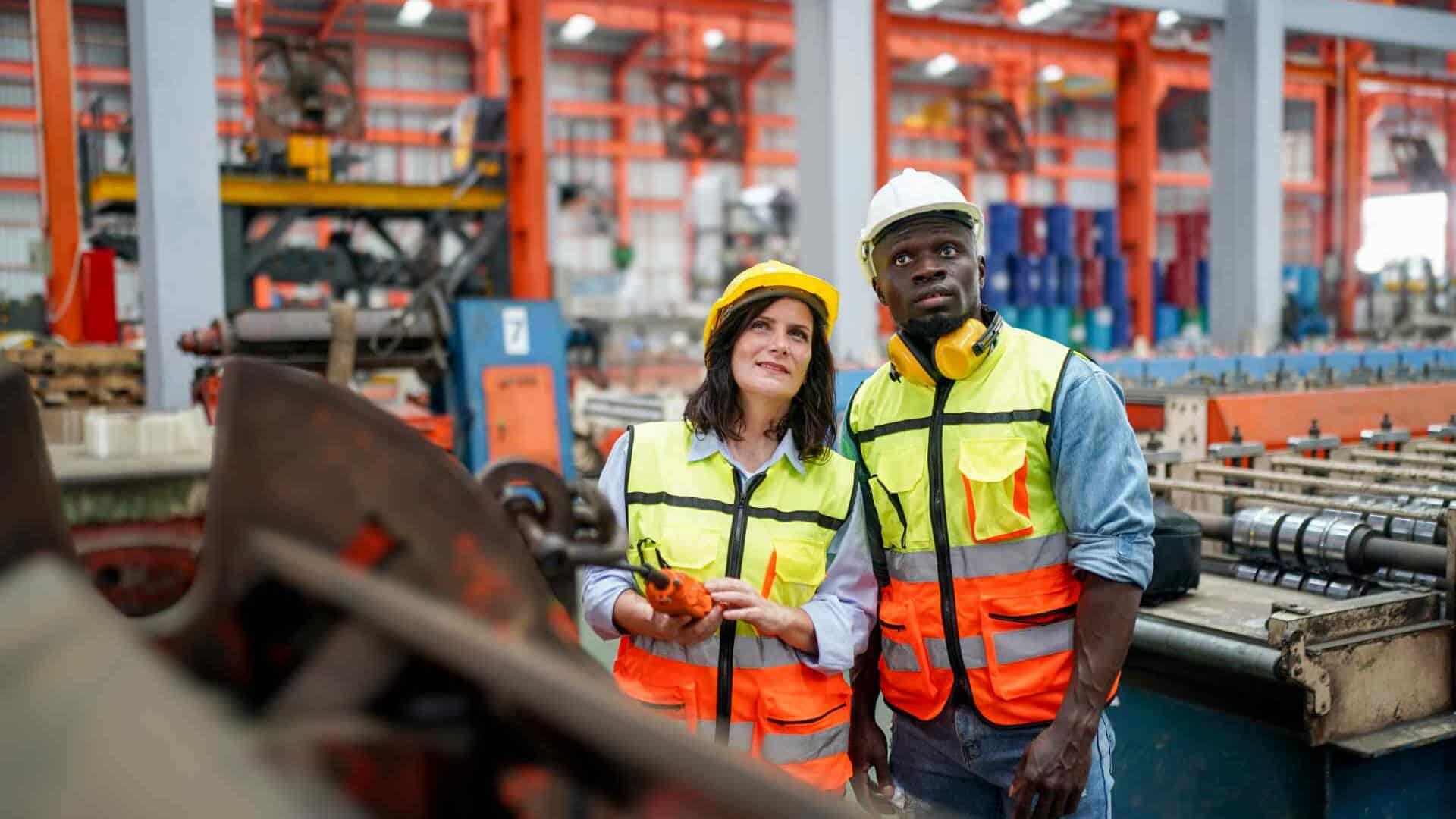
Workers in protective gear discussing safety protocols at an industrial construction site.
Future Trends in Industrial Safety Training
Technology Integration
Technology continues to transform industrial safety training, with innovations enhancing engagement and outcomes. Emerging technologies like augmented reality (AR) and artificial intelligence (AI) offer immersive and personalized learning experiences, enabling employees to practice skills in a safe yet realistic setting. This integration not only improves knowledge retention but also fosters a deeper understanding of safety protocols.
Continuous Improvement
The future of industrial safety training hinges on continuous improvement through adaptive learning technologies and AI-driven analytics. These tools help customize the training experience, offering modules tailored to the specific requirements and learning speeds of employees.
Companies should focus on implementing Adaptive learning technologies:Digital systems that respond to employee progress.
Advanced analytics also play a critical role, allowing trainers to monitor employee performance and refine training modules as needed.
- AI-driven analytics:Utilizing AI to improve training effectiveness.
- Remote learning advantages:Facilitating access to training across locations.
- Customizable training modules:Modules that cater to different learning needs.
- Feedback loops for improvement:Continuous feedback integration for ongoing refinement.
- Updating compliance criteria:Regular updates to align with industry standards.
- New safety equipment:Adoption of cutting-edge safety gear.
- Cross-industry learning:Learning from safety practices across sectors.
Adapting to New Safety Standards
As industrial safety standards evolve, training programs must adapt to ensure continued compliance and effectiveness. Keeping abreast of regulatory changes and integrating these into existing training frameworks is essential. This proactive approach enables companies to remain competitive and ensure their work environments are safe and compliant with the latest standards.
Creating an Effective Safety Training Culture Within Your Organization
Cultivating Leadership Support
Building a strong safety culture begins with leadership. Leaders who champion safety initiatives, set clear training goals, and incorporate safety into company key performance indicators (KPIs) demonstrate their commitment to a safe work environment. Engaging leadership encourages a trickle-down effect, fostering a culture where safety is the responsibility of every employee.
- Champion safety leadership:Leaders actively promoting safety policies.
- Set clear training goals:Defining objectives for safety programs.
- Build a feedback culture:Encouraging feedback to enhance safety practices.
- Incorporate safety in KPIs:Aligning safety targets with business metrics.
- Promote peer-to-peer learning:Encouraging knowledge sharing among employees.
- Recognize safety milestones:Celebrating achievements to boost morale.
- Foster open communication:Maintaining transparent dialogue on safety matters.
- Commit to continuous training:Ongoing commitment to training updates.
Employee Involvement
Employee involvement is vital in creating a lasting safety culture. By involving team members in program development and soliciting their input, organizations can tailor training to address real-world needs more effectively. Empowered employees are more likely to take ownership of safety practices, resulting in higher levels of compliance and participation.
Sustaining Training Programs
Sustaining training programs requires ongoing evaluation and adaptation. Companies should regularly assess their training efforts, updating content and strategies as necessary to align with new safety standards and employee feedback. This commitment to continuous improvement ensures that training remains relevant, effective, and integral to a company’s operational success.
Frequently Asked Questions
An industrial safety training program typically includes comprehensive modules on emergency procedures, hazard recognition, personal protective equipment (PPE) use, and workplace ergonomics. It also often covers compliance with specific industry regulations and standards, such as OSHA guidelines, to ensure a comprehensive understanding of occupational safety requirements.
Safety training frequency depends on industry requirements and the specific hazards present in the workplace. Generally, initial training is conducted upon employment, with annual refresher sessions to ensure compliance and reinforce safety protocols. Some organizations may require more frequent training based on changes in safety regulations or operational updates.
Yes, OSHA provides guidelines that outline expectations for safety training, particularly focusing on employee understanding of workplace hazards and emergency response. These guidelines emphasize the need for training to be comprehensible and available in a language understood by employees. Adhering to OSHA standards is crucial for regulatory compliance and workplace safety.
Training programs improve workplace safety by educating employees on potential hazards and the correct practices to mitigate risks. Through simulations, hands-on activities, and continuous education, employees become more adept at identifying and avoiding hazards, ultimately reducing the likelihood of accidents and enhancing overall safety.
The costs associated with industrial safety training vary widely based on the program’s scope, duration, and the use of advanced training tools like virtual reality. While there are upfront costs, effective safety training often results in long-term savings by reducing incidents, legal liabilities, and insurance premiums. Organizations should view these expenses as vital investments in operational safety.
Online training offers flexibility and accessibility, making it a convenient option for many organizations. While it may lack the hands-on experience of in-person sessions, advancements in virtual simulations and interactive content have made online training increasingly effective at conveying essential safety concepts and ensuring learner engagement.
The effectiveness of a safety training program can be measured through various methods such as employee surveys, incident rate analysis, and performance in safety drills. Regular testing and feedback sessions can also provide insights into comprehension and retention, allowing organizations to refine programs for better outcomes.