The Importance of Cutting Tool Selection
The selection of the right industrial cutting tools is crucial in various manufacturing processes, directly affecting the efficiency and quality of production. By choosing the appropriate machinery and tools, businesses can optimize performance and reduce defects, leading to lower operational costs and improved operational efficiency.
Moreover, the right tool selection minimizes downtime and maintenance needs, significantly contributing to the reduction of downtime in industrial environments.
Ensuring the longevity of the tools used is another critical factor. Proper selection can enhance tool life, reducing the frequency of replacements and maintaining consistent quality over an extended period.
Impact on Operational Efficiency
Operational efficiency hinges on several factors, one of which is the precise selection of cutting tools. By matching the right tool to its intended material and process, manufacturers can achieve optimal speed and quality, reducing the total time required for production runs.
Efficient tool use also enhances material utilization, contributing to a decrease in waste and saving on raw material costs. This strategic approach to tool selection underpins a company’s ability to maintain productivity while reducing overhead expenses.
Enhancing Tool Life
Enhancing the life span of machining tools is pivotal for cost management in industrial settings. Quality tool selection means selecting products made from durable materials that can withstand rigorous operational demands without deteriorating prematurely.
This not only maintains production continuity but also ensures the consistency and precision of the output, directly impacting overall manufacturing quality.
In summary, the effective management of cutting tools through careful selection can significantly contribute to both performance and cost efficiency in manufacturing operations.

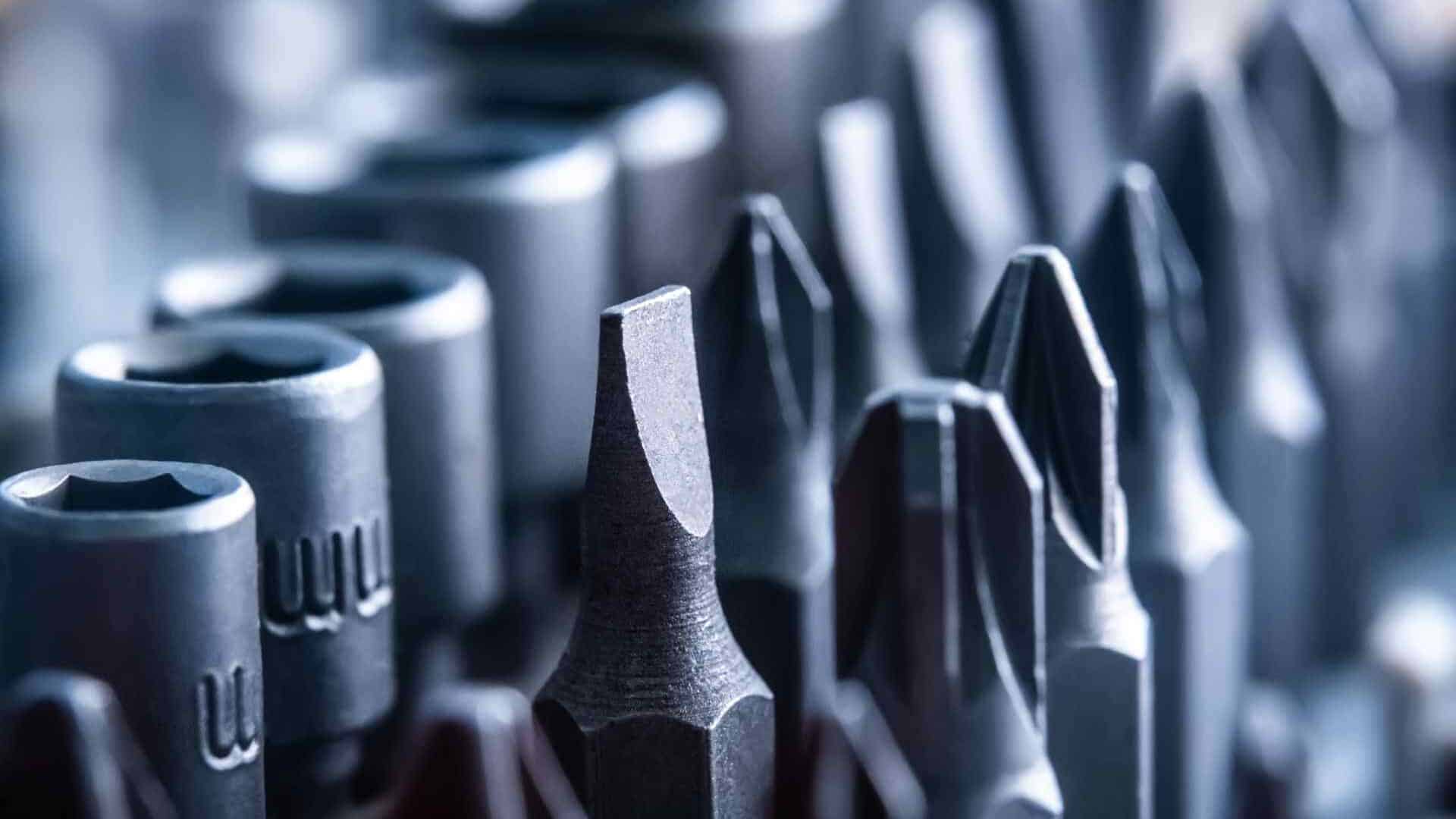
Close-up view of high-speed steel (HSS) cutting tools used for precision machining in industry.
Types of Cutting Tools
Understanding the various types of cutting tools available in the market is crucial for making informed decisions. Each tool type serves specific applications, based on the material they are constructed from and the particular task they perform.
- Carbide Cutting Tools: Ideal for cutting hard materials due to their high-speed capabilities and wear resistance.
- HSS Cutting Tools: High-speed steel tools are versatile and cost-effective, suitable for a range of precision tasks in manufacturing.
- CNC Cutting Tools: Used for computer-controlled processes offering high precision and complexity in operations.
- Metal Cutting Tools: Specialized for cutting through metals, ensuring durability and heat resistance.
- Precision Cutting Tools: Used for precision engineering and tasks requiring high accuracy and fine finish.
Each type is engineered to handle specific tasks efficiently, fostering improved productivity within targeted applications.
Factors Influencing Tool Choice
Several factors influence the choice of cutting tools, including the material of the workpiece, the required cut finish, production speed, and tool longevity. These considerations help in choosing tools that deliver optimum performance for specific industrial needs.
Additionally, cost considerations and the compatibility of the tool with existing machinery also significantly affect selection decisions.
Common Implementations
Common applications include milling, drilling, turning, and grinding, with each tool chosen based on the intricacy and requirements of the task. Proper tool selection enhances process efficiency and operational safety.
The successful application of these tools not only improves troubleshooting belt drives but also aids in choosing the right bearing for optimized machinery function.
Understanding Tool Material
Industrial cutting tool materials significantly influence their performance and longevity. The right material can enhance efficiency, improve results, and reduce costs. Understanding the characteristics of different materials is critical for effective tool selection.
Tools made from materials like carbide and HSS are well-suited for specific tasks due to their durability and resistance to wear. This knowledge can lead to better decision-making for your projects.
Cutting Speeds and Feeds
Operating at the correct speeds and feeds is essential. This not only ensures precision but also optimizes the lifespan of the tools. Selecting appropriate speeds and feeds for your cutting task enables maximal efficiency and prolongs tool usability.
Adjustments to tool speed can reduce friction and heat, which is vital for maintaining the integrity of tools over time, particularly in intensive manufacturing environments.
Tool Geometry Considerations
Tool geometry involves the angle and shape of cutting tools, impacting the surface finish and the wear life of the tool. Careful assessment of tool geometry can help in choosing the most effective tool for the job.
Geometry must match the material and task for improved outcomes. By thoroughly understanding equipment, manufacturers can enhance equipment reliability and reduce issues during industrial equipment maintenance.

Wide selection of cutting tools arranged systematically in an industrial workshop setting.
Maintenance Best Practices
Regular maintenance of cutting tools is integral to prolonging their life and ensuring efficient performance. Proper handling minimizes wear and potential damage, leading to cost savings and better results.
Adopting routine checks and timely replacements ensures that tools perform at their optimal state. Implementing a maintenance schedule can drastically improve tool longevity.
Tool Handling and Storage
Proper handling and storage are crucial to maintaining cutting tools. Ensuring they are stored in a clean, dry place prevents unnecessary wear and potential safety hazards.
Adhering to the best storage practices decreases the likelihood of tool degradation, which can negatively impact performance and safety.
Preventive Wear Techniques
Implementing preventive wear techniques involves regular checking and sharpening of tools, which extends their lifespan.
Preventive measures also involve using appropriate lubricants to ensure smooth cutting operations, which helps in extending equipment lifespan and maintaining preventive maintenance standards.
Professional vs. DIY Tools
Choosing between professional and DIY tools can significantly influence the outcome of machining projects. Professional tools are specifically designed to ensure precision, reliability, and safety.
While DIY tools may be cost-effective, they might lack the comprehensive capability required for complex industrial tasks, impacting the efficiency of projects.
Comparative Analysis
When comparing professional tools to DIY alternatives, several key points should be considered:
- Tool Quality and Reliability: Professional tools generally offer superior build quality and performance consistency.
- Ease of Use: DIY tools are often simple to use but may lack the precision of their professional counterparts.
- Cost Implications: Professional tools may require a higher upfront investment but offer better long-term value through durability and support.
- Performance Outcome: The advanced design of professional tools results in higher accuracy and quality output.
- Suitability for Complex Projects: Professional tools are tailored for more demanding and intricate projects.
For tasks requiring intricate work and high precision, investing in professional tools is often indispensable.
When to Choose Professional Tools
Opt for professional tools when the project demands high precision, involves complex tasks, or where safety and long-term reliability are chief concerns. The cost can be justified by the improved efficiency and satisfaction from the project outcomes.
Choosing reliable equipment is paramount, such as finding the right bearings or overcoming belt drive issues.

Worker operates a heavy-duty industrial tool for cutting concrete, ensuring precise and safe operation.
Environmental Considerations
The environment where a cutting tool is used plays a significant role in its performance and longevity. Factors such as temperature, humidity, and dust levels can affect how a tool functions.
Choosing tools that can handle specific environmental conditions can prevent performance degradation and ensure safety while working.
Impact of Material Types
Different materials demand various tool characteristics. For example:
- Abrasion Resistance: Tools must be resilient to minimize wear when cutting abrasive materials.
- Heat Dissipation: Effective heat management helps avoid tool degradation during high-speed operations.
- Corrosion Resistance: Tools should resist corrosion when used in humid or chemical-prone environments.
- Vibration Handling: Robust tools are essential to withstand the vibrations during intense operations.
- Noise Levels: Selecting tools that reduce noise pollution can enhance the work environment.
- Dust Management: Adequate dust control prevents equipment fouling and maintains air quality.
- Chemical Exposure: Tools should be resistant to damage from potential chemical exposure in industrial spaces.
Specialized Tool Requirements
Specialized environments may require specific tools to maintain efficiency and safety. Investing in tools that are designed for particular industries ensures better facility operation, addressing bearing failures and enhancing power transmission efficiency.
Benefits of Expert Consultation
Consulting with industry experts can significantly enhance the tool selection process. Experts provide tailored advice and solutions, ensuring that the tools chosen meet specific needs precisely.
This approach can help tap into innovative trends and technologies, offering a competitive edge while optimizing supply chain management.
Tailoring Solutions to Industry Needs
Industry-specific challenges require tailored solutions. Consulting professionals helps in crafting plans that align with operational goals and enhance productivity through aligned tool choices.
This customized approach helps mitigate risks and adjust to market dynamics effectively.
How to Choose a Consulting Partner
Selecting the right consulting partner involves evaluating their expertise, past performance, and understanding of your industry. Strategic partnerships can help streamline tool selection and use processes.
Proper consultations also contribute to implementing lean manufacturing practices that drive efficiency and sustainable success.
Frequently Asked Questions
Key factors include the material being cut, machine capabilities, operation speed, and the desired finish. Considering these elements helps select tools that optimize performance efficiently.
The composition of a tool affects its hardness, durability, and suitability for specific tasks. Choosing the right material ensures efficiency and extends tool life by minimizing wear.
Regular cleaning, timely sharpening, and proper storage are essential maintenance practices that prolong tool lifespan. Adhering to manufacturer maintenance guidelines further ensures durability.
Consider consulting specialists when projects require high precision, involve unfamiliar materials, or demand custom solutions. Expert guidance can enhance project efficiency and safety.
Environmental conditions such as temperature, moisture, and exposure to chemicals influence tool performance. Selecting tools engineered for specific environments prevents degradation and maintains effectiveness.
Tool geometry determines the angle and shape of cuts, affecting precision and quality. Proper tool geometry ensures efficient material removal and improved cut quality, crucial for precise manufacturing.
Recent trends include adopting CNC and AI-driven tools for precision, leveraging sustainable materials, and incorporating advanced coatings for enhanced durability and performance in industrial cutting applications.