Understanding Equipment Lifespan
Every piece of industrial equipment has a predefined lifespan based on its make and model. However, the actual lifespan can greatly depend on how well it is maintained. Understanding the factors that affect equipment lifespan is crucial in preventive maintenance and avoiding premature equipment failure.
It’s essential to recognize that equipment lifespan is not just about years but about operating hours and conditions. By understanding these metrics, companies can better predict maintenance needs and plan replacements effectively.
Regular assessments and documentation of equipment conditions help in understanding and extending the lifespan of the machinery.
Importance of Maintenance
Maintenance plays a pivotal role in extending equipment lifespan by preventing breakdowns and ensuring reliability. Proper maintenance schedules reduce the likelihood of unexpected failures, which can lead to costly repairs or replacements. A robust maintenance plan significantly increases equipment reliability.
Equipment downtime can be minimized through regular maintenance checks, which can prevent larger issues from arising. Regular checks also ensure that equipment operates at optimal efficiency.
Organizations that prioritize maintenance see a marked improvement in equipment performance and a reduction in overall costs.
Key Factors Affecting Lifespan
Several key factors can affect the lifespan of equipment: usage patterns, environmental conditions, and maintenance regularity. Understanding these elements is crucial for effective preventive maintenance and equipment failure prevention.
Usage patterns, such as frequency and load, directly influence wear and tear. Similarly, harsh environmental conditions can accelerate component degradation. Thus, controlling the operating environment can extend the lifespan.
Lastly, the frequency and quality of maintenance performed directly impact equipment longevity. Consistent and thorough maintenance practices can help mitigate factors that contribute to faster degradation.
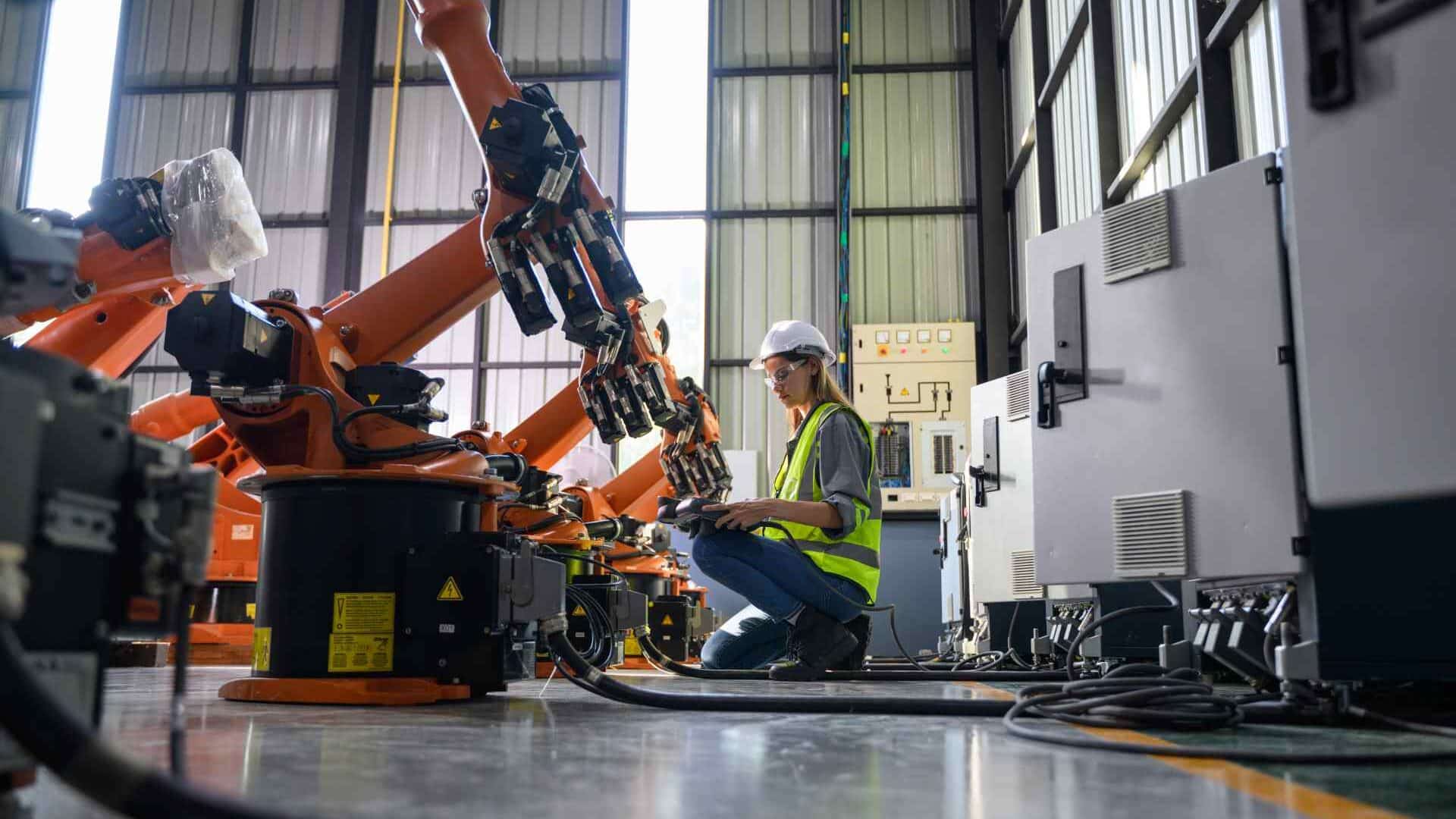
Technician servicing advanced robotic equipment to extend its operational lifespan.
Regular Inspections
Conducting regular inspections is a critical component for extending equipment lifespan. These inspections help identify potential issues before they escalate into major problems. By utilizing a comprehensive checklist, organizations can ensure that all equipment parts are functioning correctly and address any small issues promptly.
Regular inspections provide insights into wear patterns and help maintain optimal performance levels. They also facilitate early replacement of worn-out parts, contributing to enhanced equipment reliability.
Implementing a scheduled inspection routine can greatly minimize the risk of unexpected equipment failures.
Scheduled Maintenance Tasks
Scheduled maintenance involves systematic and pre-planned servicing activities. This includes cleaning, lubrication, parts replacement, and calibration processes that keep machinery functioning effectively. Establishing a routine could help in lowering operational disruptions and improving efficiency.
By ensuring that maintenance tasks are performed according to a scheduled plan, equipment downtime can be minimized. This proactive approach reduces the likelihood of costly repairs by preventing breakdowns.
Best Practices
To further enhance equipment longevity, here are some best practices to consider:
- Maintain Cleanliness: Keeping equipment clean prevents contamination and wear through debris.
- Use Quality Parts: Investing in high-quality parts can reduce failure rates and extend equipment life.
- Monitor Operating Conditions: Regularly checking and adjusting operating conditions can prevent undue stress on equipment.
- Train Employees: Well-trained staff are critical in identifying and addressing potential maintenance issues early.
- Document Maintenance Records: Recording maintenance activities ensures continuity and accountability within maintenance regimes.
- Utilize Predictive Maintenance Technologies: Employ technologies like sensors to predict and address issues before they occur.
Adopting these best practices can significantly enhance machinery durability and efficiency.
Training Programs
A well-structured training program is essential to ensure that employees are knowledgeable about equipment maintenance protocols. These programs should cover the fundamentals of machinery operation and specific maintenance procedures.
Regular training sessions help employees stay updated on the latest maintenance technologies and practices. This increases their ability to efficiently manage equipment and respond to any maintenance-related issues.
Creating a Maintenance Culture
Establishing a culture that prioritizes regular maintenance can lead to long-term benefits for equipment longevity. By encouraging staff to adopt a proactive approach to maintenance, organizations can mitigate risks associated with equipment failure and operational efficiency.
This culture fosters awareness and responsibility among employees, making them more attentive to signs of wear and tear.
Eventually, a maintenance-oriented culture contributes to improving workplace safety culture and enhances overall productivity.
Employee Roles and Responsibilities
Clearly defining roles within maintenance operations ensures responsibilities are appropriately distributed. Employees should understand their responsibilities in maintaining equipment and identifying any issues that require attention.
Assigning specific roles can optimize performance and accountability within the maintenance team. This structured approach provides clarity and increases the likelihood of successful outcomes in equipment maintenance.
An effective assignment of roles encourages ownership and engagement among employees, leading to enhanced equipment reliability.
Common Signs of Equipment Wear
Recognizing signs of wear and tear early can prevent equipment failure and reduce downtime. Common indicators include unusual noises, vibrations, and decreased performance. Addressing these symptoms promptly can extend the lifespan of equipment and ensure reliability.
Regular monitoring and inspection of machinery help in early detection of wear patterns, allowing for timely interventions. Keeping a record of these signs can aid in proactive maintenance efforts.
By understanding the typical wear symptoms, maintenance teams can prioritize tasks and ensure continued operation without significant disruptions.
Proactive Measures
Implementing proactive measures to address potential equipment issues is critical. These steps include:
- Conduct Regular Inspections: Frequent inspections help identify small issues before they become significant problems.
- Establish Maintenance Schedules: Developing regular schedules ensures timely maintenance activities.
- Train Staff for Early Detection: Educating employees on identifying potential problems can avert serious failures.
- Utilize Monitoring Technology: Employing technology such as sensors helps monitor equipment conditions in real-time.
- Conduct Root Cause Analysis: Analyzing failures to understand underlying causes prevents recurrence.
- Respond Quickly to Issues: Prompt responses to detected issues can mitigate damage and extend lifespan.
- Document Findings: Maintaining records helps track maintenance history and guide future actions.
- Adjust Maintenance Practices Accordingly: Using data from inspections to refine and enhance maintenance strategies.
These measures enhance equipment reliability and efficiency, reducing downtimes.
Professional Help vs. DIY
Determining whether to employ professional maintenance services or rely on in-house capabilities can impact equipment longevity. Professional services bring expertise and specialized tools but can be costly. Alternatively, well-trained in-house teams can be cost-effective for routine maintenance tasks.
The decision should be based on available resources, complexity of equipment, and the criticality of the function to operations.
Balancing professional help and DIY efforts can maximize efficiency while maintaining equipment performance.
Budgeting for Maintenance
Creating a comprehensive budget that accounts for all foreseeable maintenance activities is crucial for extending equipment lifespan. A well-structured budget ensures uninterrupted maintenance efforts and allows for unexpected repairs without financial strain.
Financial planning should consider periodic maintenance checks and warehouse safety best practices and allocate funds for emergencies to prevent disruptions to operations.
By maintaining a detailed budget, organizations can prevent costly failures and optimize their maintenance schedules.
Investing in Quality Parts
Investing in high-quality parts is a key strategy in extending equipment lifespan. Although initially more expensive, quality parts last longer and reduce the risk of failures compared to cheaper alternatives.
Incorporating high-grade parts enhances performance and reliability, reducing downtime and maintenance costs over time. This approach also extends the equipment’s operational life by ensuring durability and efficiency.
Cost-Reduction Strategies
Adopting cost-effective strategies can improve maintenance efficiency while reducing expenses. Consider the following:
- Analyze Equipment Performance Data: Use data analytics to identify inefficient processes and optimize performance.
- Employ Predictive Maintenance: Utilize technologies that predict failures before they occur, saving costs on repairs.
- Use In-House Technicians: In-house teams can reduce service costs and enhance control over maintenance procedures.
- Conduct Bulk Purchasing of Parts: Buying in bulk often results in discounts and ensures the availability of parts.
- Negotiate Service Contracts: Favor long-term agreements for better rates and consistent maintenance support.
- Implement Lean Maintenance Principles: Streamline operations by eliminating waste, increasing productivity, and reducing costs.
These strategies, when combined, help in maintaining equipment effectively while controlling costs.
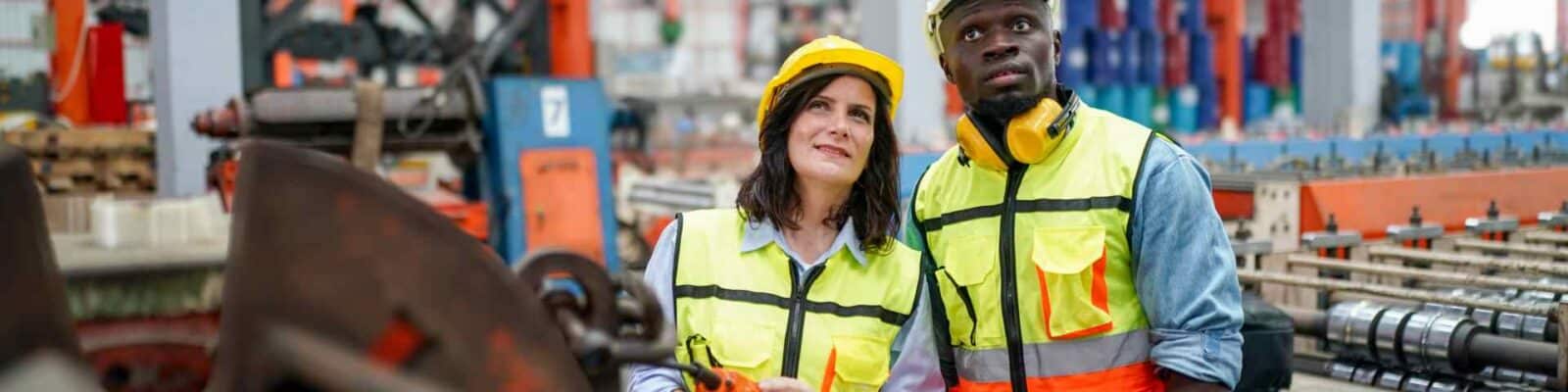
Industrial workers inspecting heavy machinery, ensuring operational and safety standards.
What is a Maintenance Plan?
A maintenance plan refers to a comprehensive strategy that outlines regular servicing and maintenance tasks needed to ensure equipment operates efficiently. This plan includes schedules, responsibilities, resource allocations, and objectives, prioritizing machinery upkeep.
Having a structured maintenance plan allows organizations to systematically address maintenance needs and prevents unexpected failures that could interrupt operations. It sets clear guidelines and offers a proactive approach to maintaining equipment health.
Components of an Effective Plan
An effective maintenance plan typically encompasses detailed instructions, timelines, and resource requirements. It prioritizes tasks based on equipment criticality and usage, ensuring necessary actions are known and executed as per schedule.
To maximize equipment reliability, it should include both preventive and corrective maintenance actions. By maintaining a cycle of checks, repairs, and replacements, the plan can mitigate failures and extend the equipment lifespan.
Having personalized plans tailored to specific equipment needs is crucial for achieving longevity.
Benefits
Implementing a well-designed maintenance plan offers several benefits, which include:
- Increased Equipment Lifespan: Regular maintenance greatly extends the life of machinery, ensuring reliable performance.
- Reduced Downtimes: Scheduling maintenance tasks helps address potential issues without disrupting regular operations.
- Cost Savings: Proactive maintenance reduces the likelihood of expensive repairs and unexpected failures.
- Improved Safety Standards: A maintenance plan ensures equipment meets safety regulations, reducing accidents and injuries.
By committing to a comprehensive maintenance plan, companies can enjoy these benefits and maintain operational efficiency.
Adapting to Technological Advancements
In the rapidly evolving industrial sector, staying informed about technological advances is vital for extending equipment lifespan. Technologies such as IoT, AI, and machine learning assist in predictive maintenance, analyzing data to foresee failures before they occur.
Companies that invest in these technologies can dramatically reduce downtimes and maintenance costs. These advancements integrate seamlessly with existing systems, enhancing efficiency and accuracy in maintenance procedures.
Integrating cutting-edge technology also offers competitive advantages, ensuring that equipment remains functional and up-to-date.
Industry Trends to Watch
Keeping an eye on emerging industry trends can help companies prepare for maintenance challenges. Current trends include sustainability in manufacturing, increased use of smart sensors, and the rise of automated and remote maintenance tools.
These trends advocate for eco-friendly practices while minimizing manual labor and physical intervention. Organizations that stay abreast of these developments position themselves as leaders in innovation and efficiency.
Understanding these trends ensures improved processes and compliance with evolving industry standards.
Investing in Future Technologies
Investing in future technologies can enhance equipment performance and longevity. This includes adopting solutions that are reliable, cost-effective, and capable of lean manufacturing.
By focusing on future-proof solutions, companies can mitigate risks and prepare for unforeseen technological shifts ensuring sustained equipment functionality.
Strategic investments today set the stage for resilient operations tomorrow, keeping machinery in excellent condition.
Frequently Asked Questions
The most effective maintenance practices include regular inspections, preventive maintenance schedules, use of quality parts, and continuous training of staff to understand machinery and recognize potential issues early.
The frequency of equipment inspections depends on the type of machinery and its usage conditions. However, generally, inspections should be conducted every month to ensure ongoing effectiveness and maintain reliability.
Essential tools for equipment maintenance include diagnostic instruments, lubrication tools, torque wrenches, multi-meters, and monitoring software for predictive maintenance.
Common pitfalls include neglecting regular maintenance, using substandard parts, failing to train staff properly, and ignoring early warning signs of equipment issues, leading to sudden failures.