Introduction to OSHA Compliance in Industrial Facilities
OSHA compliance is a cornerstone for maintaining safety and regulatory standards in industrial facilities. It ensures that workplaces are safe and free from hazards, thereby reducing the risk of injuries and illnesses. Adhering to OSHA standards not only protects employees but also helps facilities avoid hefty fines and legal issues that arise from non-compliance. By prioritizing OSHA compliance, companies can foster a culture of safety and efficiency.
OSHA Compliance Overview
Understanding OSHA compliance begins with comprehending its overarching role in workplace safety. It mandates that industrial facilities adhere to a set of safety regulations designed to protect workers. These regulations cover a wide range of areas including machinery safety, chemical handling, and proper use of personal protective equipment (PPE).
By aligning with OSHA standards, facilities can ensure that all aspects of their operations are safe for workers. This involves regular improving workplace safety culture and implementing updated practices that adhere to regulatory requirements.
Furthermore, resources dedicated to OSHA compliance, such as training programs and safety audits, can significantly mitigate risk factors and enhance operational efficiency.
Regulatory Impact
The impact of OSHA regulations on industrial facilities cannot be overstated. They provide a framework that facilities must follow to maintain a safe working environment. This includes the necessity of regular inspections and the importance of documenting every aspect of compliance efforts.
Industrial facilities that maintain strict adherence to OSHA regulations often experience fewer workplace injuries and higher employee morale. This commitment not only prevents potential penalties but also enhances the facility’s reputation as a responsible employer.
A comprehensive understanding of these regulations aids in structuring effective compliance strategies, ensuring that facilities do not fall short of the legal requirements.
Importance of Safety Standards
Safety standards are the backbone of industrial operations and are essential for minimizing risks. Implementing robust safety protocols in manufacturing processes can drastically reduce the likelihood of workplace accidents. By employing comprehensive safety strategies, facilities can ensure that each employee is aware of and commits to safe working practices.
These safety standards are integral to maintaining a productive and efficient work environment. They encompass everything from proper PPE usage to adherence to machine operation protocols, thus defining the company’s commitment to safety.
Moreover, the proactive adoption of these standards often leads to improvements in operational procedures and contributes to a substantial decrease in workplace hazards.

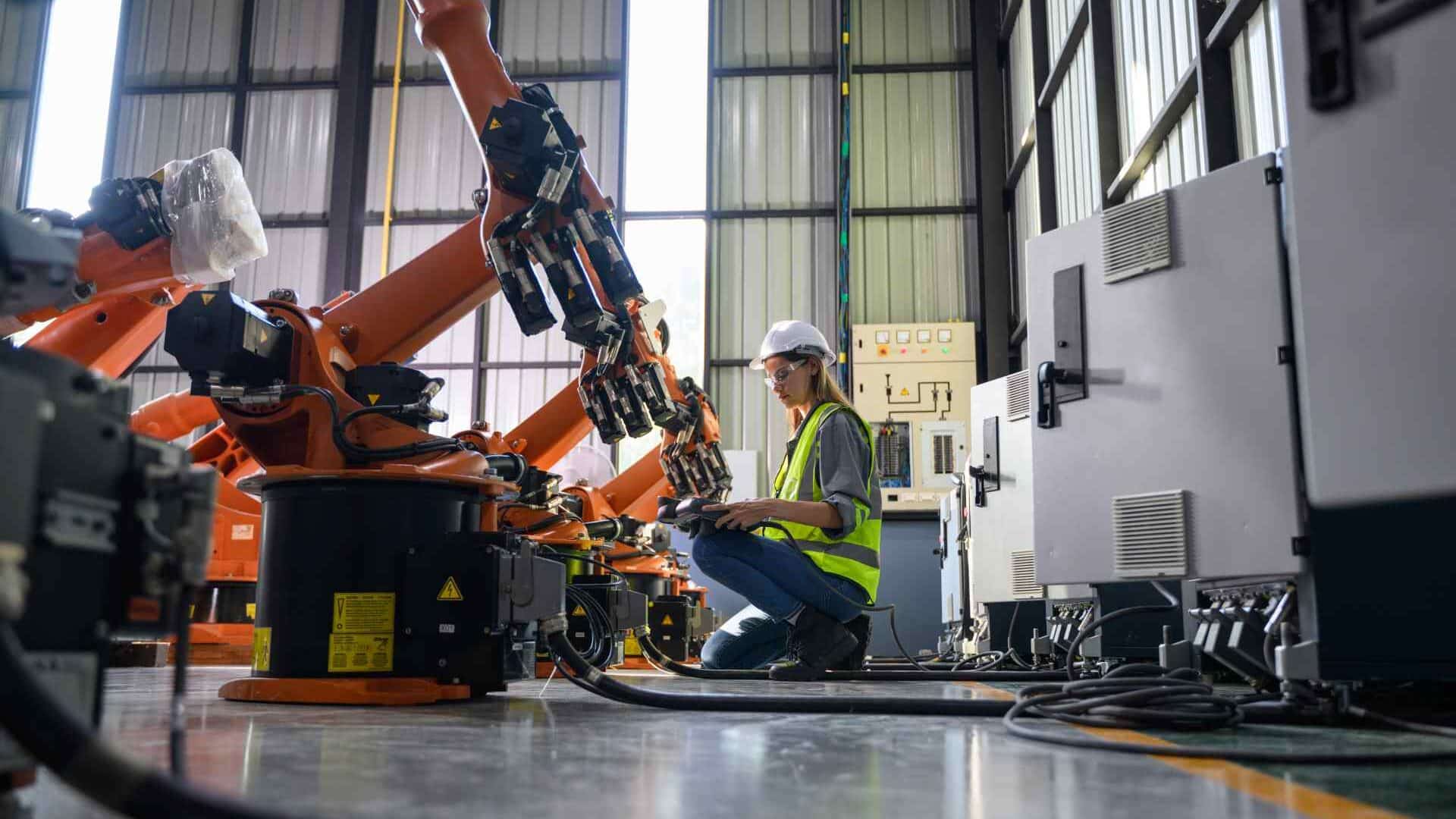
Workers in protective gear discussing safety protocols at an industrial construction site.
Checklist for OSHA Compliance
To effectively adhere to OSHA compliance standards, industrial facilities must address several critical areas. This checklist helps facilities prioritize and tackle each compliance requirement systematically, thereby ensuring comprehensive safety coverage and operational efficiency.
Workplace Safety Assessments
Conducting regular safety assessments is essential to identifying potential hazards in the workplace. These assessments should be thorough and cover all aspects of the facility, from equipment functionality to fire safety measures. An effective safety assessment will document all findings and recommend appropriate corrective actions.
Facilities should consult industry experts to ensure that their assessments meet the highest standards. Regular consultations may reveal overlooked risks and provide strategies to enhance workplace safety.
Assessments are most effective when they foster a culture of transparency and accountability among employees and management alike. This involves regular industrial safety training sessions and workshops to continually reinforce safety protocols.
Employee Training Programs
Training is a critical component of any OSHA compliance strategy. Employees must be well-versed in the safety protocols applicable to their specific roles. Comprehensive training programs should include detailed instructions on equipment use, emergency response procedures, and general safety practices.
Training programs must be dynamic, allowing them to adapt to updates in OSHA guidelines and industry innovations. This ensures that employees are always operating with the most current knowledge and skills.
To maximize effectiveness, facilities should schedule regular training sessions that engage employees through interactive and practical exercises, ensuring concepts are thoroughly understood and applied.
Documentation and Recordkeeping
Proper documentation and recordkeeping are pivotal elements of OSHA compliance. This involves maintaining precise logs of safety assessments, training sessions, incident reports, and corrective actions taken. Accurate records facilitate regulatory audits and are essential for identifying trends or recurring issues.
Efficient documentation systems streamline the process, reduce errors, and provide easy access to information when needed. Digitizing records can further enhance accessibility and ensure information is securely stored and easily retrievable.
By prioritizing thorough documentation, facilities can demonstrate their ongoing commitment to safety and align with both warehouse safety best practices and industrial standards.
Common OSHA Violations and How to Avoid Them
Avoiding common OSHA violations is critical for maintaining a safe and compliant industrial facility. By understanding these violations and implementing preventive measures, facilities can significantly reduce the risk of non-compliance and ensure a safer working environment.
Most Frequent Violations
Industrial facilities often encounter similar OSHA violations, such as improper use of personal protective equipment (PPE), failure to provide adequate lockout/tagout procedures, and insufficient hazard communication. These violations typically arise from oversight or a lack of comprehensive safety protocols.
To mitigate these risks, facilities should conduct regular safety audits and ensure that all safety measures are consistently applied and understood by all employees.
Understanding the specific areas prone to violations helps facilities tailor their safety protocols and training programs more effectively, reducing the likelihood of future occurrences.
Effective Mitigation Strategies
Implementing effective strategies to mitigate OSHA violations involves continuous training, regular safety meetings, and the deployment of robust safety protocols. Safety officers should spearhead these initiatives, ensuring all employees are aware of their responsibilities and the importance of compliance.
Encouraging open communication among employees can help identify potential hazards early on. This inclusive approach fosters a proactive culture that emphasizes safety and compliance as shared goals.
Regular updates to safety protocols, in line with the latest OSHA guidelines, ensure that facilities remain at the forefront of safety practices and are well-prepared to address emerging hazards.
Key Avoidance Tips
Employing specific strategies can help facilities avoid common pitfalls:
- Regular inspections: Conduct frequent and thorough facility inspections to identify and rectify safety issues promptly.
- Comprehensive training: Ensure all staff are fully trained in the latest safety protocols and practices.
- Clear safety signage: Utilize clear and visible safety signs to communicate risks and required protective measures to all employees.
By reinforcing these avoidance tips, facilities can ensure a safer workplace, minimize compliance issues, and maintain operational excellence.

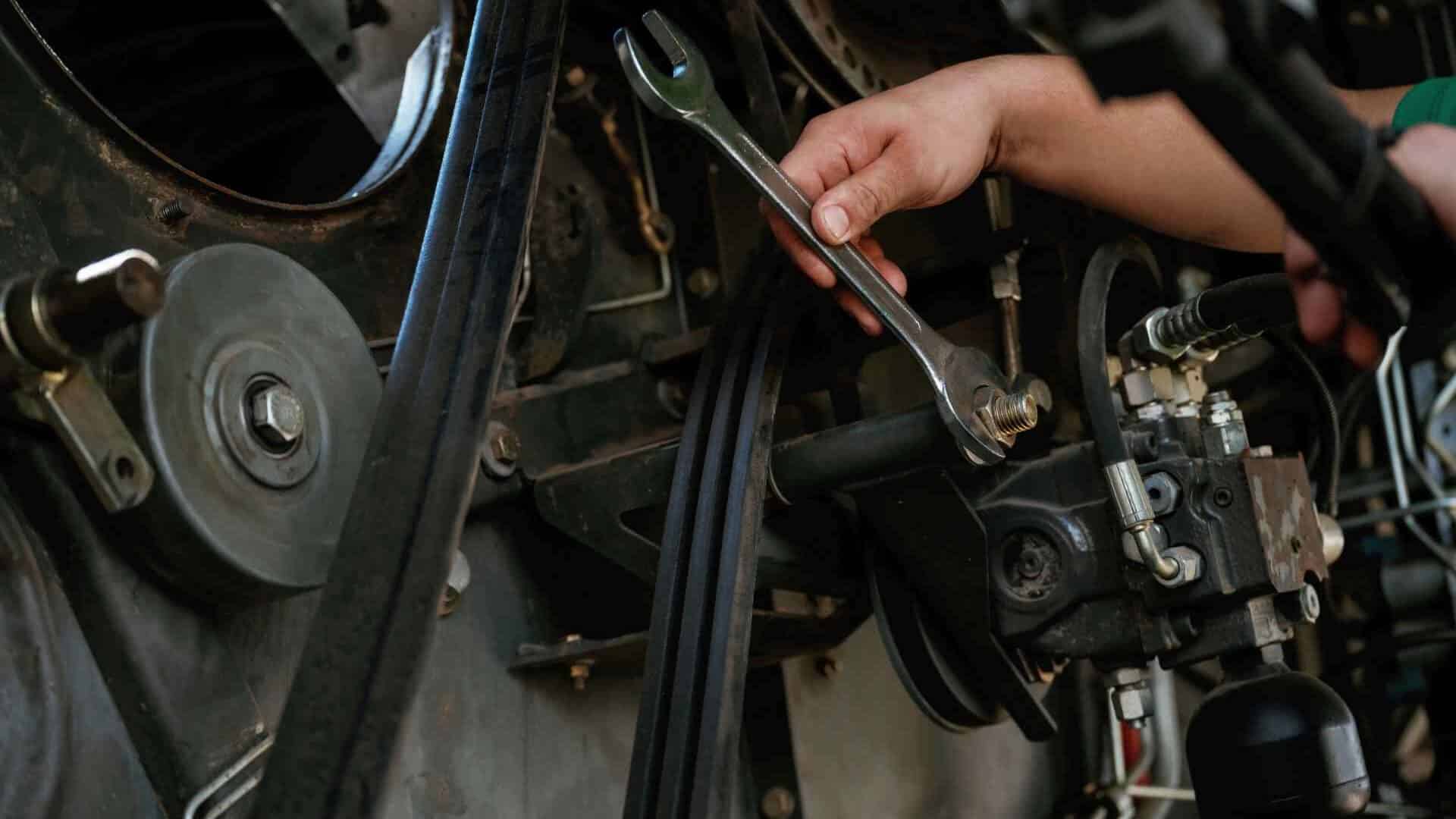
Industrial workers inspecting heavy machinery, ensuring operational and safety standards.
Role of Management in OSHA Compliance
Management plays a pivotal role in ensuring OSHA compliance within industrial facilities. Their leadership and accountability are essential for cultivating a culture of safety and operational excellence.
Leadership Responsibilities
Leaders must exemplify a commitment to safety by enforcing stringent safety policies and practices. Management should actively participate in safety training and conduct regular evaluations of existing protocols.
The significance of leadership in maintaining compliance cannot be understated. Leaders must also allocate resources effectively, ensuring all parts of the facility have access to safety equipment and measures.
Through strong leadership, facilities can ensure that safety remains a priority and that compliance objectives are consistently met, aligning with lean manufacturing principles.
Developing a Safety Culture
Creating a safety-centric culture requires continuous engagement and communication with all employees. Management should encourage feedback and highlight the importance of individual contributions to maintaining safety standards.
Facilities can enhance their safety culture through ongoing education and the integration of safety as a core value in everyday operations. This not only improves morale but also promotes a more engaged and proactive workforce.
By fostering a safety culture, facilities can enhance compliance, reduce workplace injuries, and ensure that all employees are aligned with material handling safety practices.
Performance Monitoring
Regular performance monitoring is crucial for identifying areas of improvement and assessing the effectiveness of existing safety protocols. Management should review compliance metrics and hold periodic safety meetings to revisit performance targets.
Deploying advanced monitoring tools can provide real-time data and insights, enabling swift action in response to safety concerns. This ensures continuous compliance with OSHA standards, fostering an environment where safety is paramount and performance is optimized.
An effective strategy involves integrating feedback from performance monitoring into future training and policy development, thus continually improving safety practices across the facility.
Tools and Resources for Maintaining OSHA Compliance
Equipping industrial facilities with the right tools and resources is essential for sustaining OSHA compliance. By leveraging advanced software and expert consultancy, facilities can align their operations with regulatory standards effectively.
Compliance Management Software
Utilizing compliance management software can streamline safety tracking and ensure adherence to OSHA standards. These tools facilitate efficient recordkeeping, automate inspections, and alert management to potential compliance challenges.
Software solutions offer customizable features that can be tailored to the specific needs of a facility, allowing for precise monitoring and quick response to emerging safety issues.
The integration of such technology makes the compliance process more transparent and manageable, facilitating a proactive approach to OSHA compliance.
Professional Consultancy
Partnering with experienced consultants provides facilities with invaluable insights and guidance on maintaining compliance. These experts can assess current practices, suggest improvements, and offer tailored solutions to enhance safety protocols.
Consultants bring a wealth of industry knowledge, helping facilities navigate complex regulatory requirements and implement best practices efficiently.
Such partnerships empower facilities to stay ahead of evolving regulations, ensuring a safe and compliant working environment.
Essential Resources
Facilities can benefit from a variety of essential resources to enhance compliance efforts:
- OSHA website: An authoritative source for the latest regulations and guidelines.
- Safety training modules: Comprehensive training resources to educate employees consistently.
- Industry-specific guidelines: Tailored guidelines that address sector-specific safety challenges.
- Incident reporting systems: Mechanisms to document and analyze safety incidents accurately.
- Regulatory updates: Regular updates to keep informed about changes to OSHA standards.
- Safety checklists: Tools to ensure comprehensive evaluations of safety protocols.
- Inspection schedules: Timely reminders for routine safety inspections.
- Accident investigation procedures: Structured approaches for investigating and learning from workplace incidents.
By leveraging these resources, facilities ensure continuous improvement in safety practices and compliance efforts.
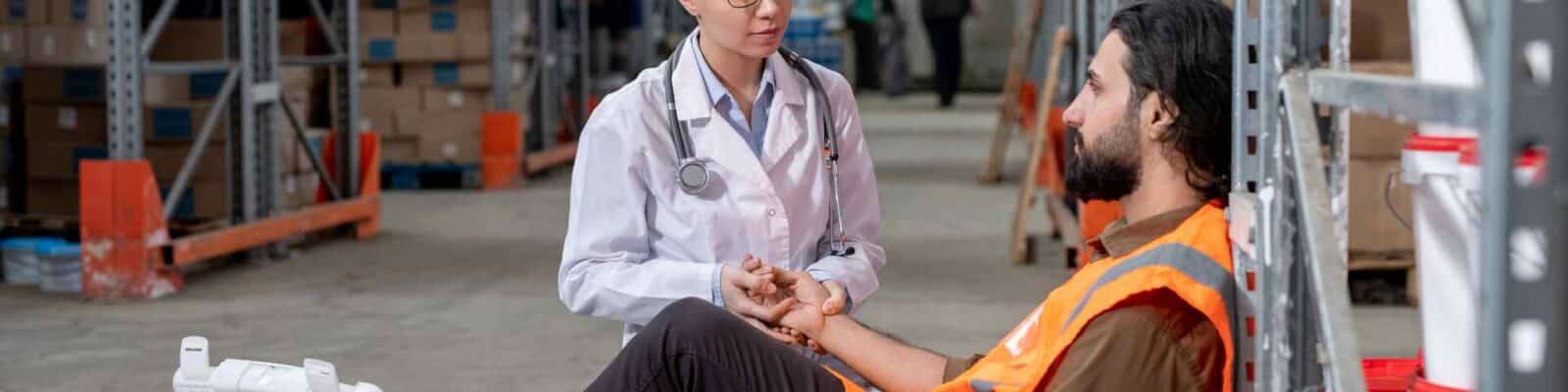
Safety officer discussing injury prevention with an employee in a warehouse setting.
Employee Responsibilities Under OSHA
Employees play an integral role in maintaining OSHA compliance within industrial facilities. Their awareness and participation are critical components of a successful safety strategy.
Understanding Employee Roles
Employees must have a comprehensive understanding of their responsibilities regarding workplace safety. This includes following all safety guidelines, using equipment correctly, and reporting hazards promptly.
An informed workforce is a facility’s first line of defense against potential hazards. Employees should be encouraged to take initiative in identifying unsafe practices and suggest improvements.
Clearly defined roles and responsibilities help create an accountable workplace, where safety is viewed as a collective responsibility and a shared priority.
Participation in Training
Active participation in training programs is crucial for empowering employees to uphold safety standards. Regular training sessions keep employees abreast of new safety practices and regulatory updates, enhancing their overall competency.
Training should be engaging and foster interactive learning, ensuring that all employees understand and can apply safety protocols effectively.
Facilities should also encourage employees to provide feedback on training effectiveness, thus contributing to continuous improvement of the program.
Reporting Hazards
The timely reporting of hazards is essential for preventing accidents and maintaining a safe work environment. Employees should be trained in the proper channels and protocols for reporting issues, ensuring swift corrective actions.
Facilities can set up anonymous reporting systems to encourage open communication about potential risks without fear of reprisal.
Proactively addressing reported hazards not only enhances safety but also builds trust between employees and management, reinforcing a culture of safety within the workplace.
Case Studies of Successful OSHA Compliance
Studying successful OSHA compliance cases provides valuable insights into effective safety practices and their positive outcomes. These examples illustrate the tangible benefits facilities can achieve by prioritizing safety and compliance.
Case Study: Manufacturing Plant
At a major manufacturing plant, a comprehensive overhaul of safety protocols led to significant improvements in workplace safety. By focusing on employee training and regular safety audits, the facility reduced its incident rate by 40%.
The management team implemented a participative approach, involving employees in safety discussions and decision-making. This inclusive strategy fostered a sense of ownership and accountability among workers.
As a result, the plant not only met OSHA standards but also enhanced its operational efficiency and workplace morale.
Case Study: Warehouse Facility
A large warehouse facility successfully overhauled its safety management system by adopting proactive measures tailored to its unique risks. This included the introduction of advanced safety monitoring systems and enhanced communication protocols.
The warehouse implemented regular training sessions that focused on industrial supply chain optimization, ensuring staff were equipped with the necessary skills to maintain a safe working environment.
These strategic changes resulted in a 50% reduction in workplace injuries and established the facility as a leader in safety practices within its sector.
Lessons Learned
These case studies highlight several key lessons:
- Improved safety protocols: The strategic revision and enforcement of safety protocols significantly reduce risk and enhance operational efficiency.
- Reduced incidents: Systematic and strategic safety management leads to a notable decrease in workplace incidents.
- Enhanced worker morale: A commitment to safety boosts worker morale, fostering a positive and productive work environment.
- Compliance efficiency: Effective compliance strategies streamline operations, ensuring alignment with OSHA standards and reducing potential liability.
These examples demonstrate the transformative effect of comprehensive OSHA compliance strategies on facility safety and efficiency.
Future Trends in OSHA Regulations
As industries evolve, so too do OSHA regulations, necessitating proactive preparation and continuous improvement from facilities. Staying ahead of these trends is essential for maintaining compliance and ensuring workplace safety.
Evolving Safety Standards
OSHA’s safety standards are continually being refined to reflect advancements in technology and industry practices. Facilities must remain adaptable, reviewing and updating their safety protocols to comply with these evolving standards.
This evolution emphasizes the need for robust, flexible compliance strategies that can easily accommodate changes.
By prioritizing the integration of new safety standards, facilities can better align with OSHA’s mission to reduce workplace hazards and ensure worker protection.
Technological Enhancements
The rise of technological innovations offers new opportunities to enhance safety practices. Advanced technologies such as AI-driven analytics, real-time monitoring systems, and automated compliance tracking are increasingly becoming part of OSHA compliance strategies.
These technologies streamline operations, aid in early hazard detection, and ensure regulatory adherence with minimal manual intervention.
Facilities can leverage these technological enhancements to optimize safety outcomes and maintain a competitive edge in their compliance efforts.
Proactive Measures
To stay ahead of OSHA regulations, facilities should adopt proactive measures:
- Adopt new technologies: Implement the latest innovations to enhance safety and compliance.
- Update training programs: Ensure employee training materials remain current and comprehensive.
- Regular compliance audits: Conduct audits frequently to maintain effective compliance measures.
- Foster safety innovation: Encourage creative solutions and improvements in safety management.
- Engage in industry advocacy: Participate in industry forums to influence and stay informed about emerging regulations.
By implementing these measures, facilities can ensure they are well-prepared for future regulatory changes and equipped to maintain a high standard of workplace safety.
Frequently Asked Questions Regarding OSHA Compliance
OSHA compliance refers to adhering to the regulations set forth by the Occupational Safety and Health Administration, which are designed to ensure safe and healthful working conditions. Compliance is crucial as it helps prevent workplace injuries and illnesses, avoids legal penalties, and promotes a positive workplace culture.
Businesses can ensure OSHA compliance by conducting regular safety assessments, implementing comprehensive training programs, maintaining accurate documentation and recordkeeping, and staying informed about the latest OSHA regulations and updates.
Common penalties for OSHA non-compliance can include fines, legal action, and increased scrutiny from regulatory bodies. Penalties vary depending on the severity and nature of the violation, potentially leading to significant operational and financial impacts.
Essential materials and equipment for maintaining OSHA standards include personal protective equipment (PPE), safety training modules, incident reporting systems, and compliance management software. These tools help ensure adherence to safety protocols and facilitate efficient safety management.
OSHA compliance checks should be conducted regularly, with many facilities opting for quarterly or bi-annual inspections. Frequent checks help identify potential hazards early, allowing for prompt corrective actions and ongoing compliance assurance.
Employees play a critical role in OSHA compliance by adhering to safety protocols, participating in training programs, reporting hazards promptly, and contributing to a culture of safety within the workplace. Their active engagement is crucial for maintaining compliance.
Yes, businesses can outsource OSHA compliance to expert consultants who offer extensive knowledge and resources to ensure adherence to regulations. Outsourcing can be beneficial for companies lacking in-house expertise or those seeking to improve their compliance strategies efficiently.