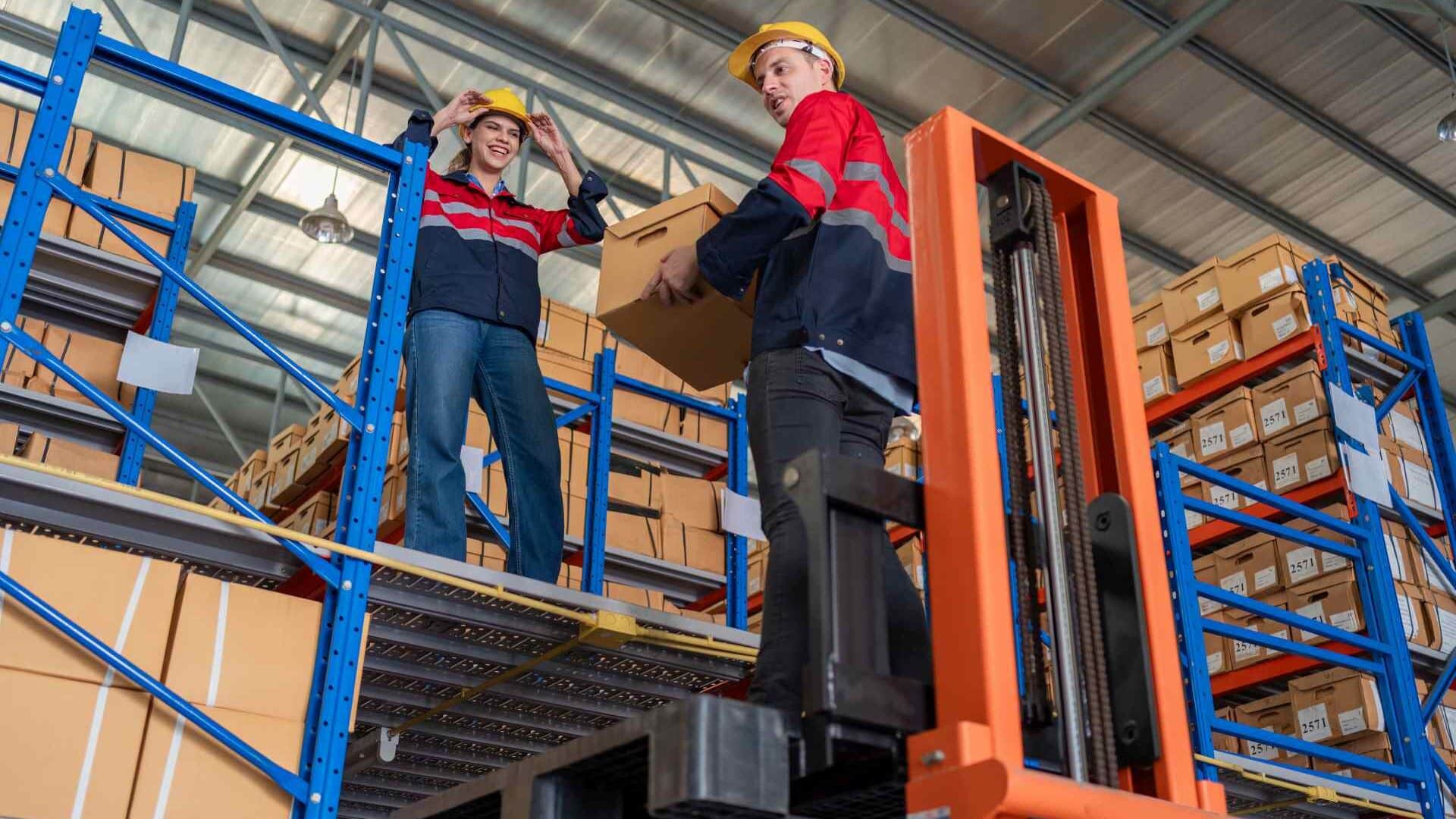
What is PPE?
PPE, or Personal Protective Equipment, refers to clothing and devices designed to protect employees from workplace hazards. It includes items like helmets, gloves, eye protection, and more, aimed at minimizing exposure to harmful environments. Understanding its role is crucial for enhancing OSHA compliance and overall workplace safety.
PPE serves as the last line of defense against workplace injuries, making awareness and proper selection paramount. Its growing importance is evident in various industry transformations.
Integrating PPE into routine workplace operations significantly contributes to workplace injury prevention, with each type of equipment serving a specific purpose to mitigate different risks.
The Importance of PPE in the Workplace
PPE is a cornerstone in maintaining employee health, directly impacting safety standards and reducing accident rates. Its proper use not only protects individuals but also enhances organizational safety culture.
Employers are mandated to provide suitable PPE to ensure compliance with regulations, and doing so plays a critical role in preventing costly workplace incidents. The importance is underscored by the need for consistent updates and training.
Regularly evaluating PPE effectiveness aids in spotting deficiencies early, allowing for timely interventions that can prevent serious injuries.
Historical Evolution of PPE Standards
The development of PPE standards has evolved dramatically over the years, spurred by industrial accidents and the progressive understanding of occupational hazards. Initially, PPE was rudimentary, but advancements have led to sophisticated safety gear today.
These changes are reflected in enhanced materials and designs, allowing for broader protection scopes and improved comfort. Continuous updates to standards are vital for adapting to new workplace challenges.
Organizations must stay informed about these evolving standards to ensure they provide the most effective protection to their employees.

Workers equipped with respiratory protective masks stand in an industrial facility.
Types of PPE
PPE comes in various forms, each designed for specific hazards. Common categories include head protection such as helmets, eye and face protection such as goggles, and hearing protection devices like earplugs.
Additionally, specialized PPE like respiratory protection is crucial for environments with airborne hazards, enhancing lockout tagout loto measures.
Ensuring the right fit and function of each piece is central to its effectiveness, emphasizing the need for tailored selection across industries.
Personal Protective Gear for Different Industries
Different industries require distinct PPE solutions based on their unique hazards. For example, healthcare workers rely on items such as gowns and masks to protect against biological threats.
Construction workers, on the other hand, need robust helmets and high-visibility clothing to counter physical hazards. Understanding these industry-specific needs helps in improving workplace safety culture.
Regular assessment of industry requirements ensures that PPE is both appropriate and effective for its intended use.
Choosing the Right PPE
Selecting the right PPE involves considering the specific tasks, environment, and potential exposures in a work setting. Factors such as comfort, wearability, and the potential for hazard exposure must guide the selection process.
Employers are encouraged to consult with safety experts to assess the workplace hazards comprehensively, ensuring suitable PPE is in place.
Adopting a proactive approach in selecting PPE aligns with both safety culture enhancement and optimal protective measures, thus reducing risks.
Statistics on PPE and Workplace Safety
Studies show that proper use of PPE can prevent up to 90% of workplace injuries and illnesses. This statistic highlights the crucial role of PPE in safeguarding employee health.
Despite its effectiveness, approximately 20% of employees fail to wear PPE correctly, exposing them to unnecessary risks. Ensuring consistent and correct usage is vital in enhancing workplace injury prevention.
Organizations must focus on addressing these gaps through training and strict monitoring practices.
Case Studies: Success Stories from Various Industries
Numerous industries have witnessed substantial safety improvements through rigorous PPE implementation. For instance, the manufacturing sector has reduced injury rates by 40% through enhanced PPE protocols.
These success stories often stem from strong organizational commitment to safety and active employee participation. Sharing these examples aids in motivating industries to adopt similar approaches.
The broader adoption of such practices can lead to a significant decrease in industry-wide hazard exposure, ultimately boosting warehouse safety best practices.
Challenges in Implementing PPE Policies
Adopting PPE policies involves several challenges, including ensuring employee compliance and managing costs associated with high-quality equipment.
Resistance to change and lack of understanding about the benefits of PPE can hinder its effective implementation. Continued education and awareness programs are essential in countering these obstacles.
Addressing these challenges head-on ensures that PPE policies are not just theoretical but actionable and impactful.
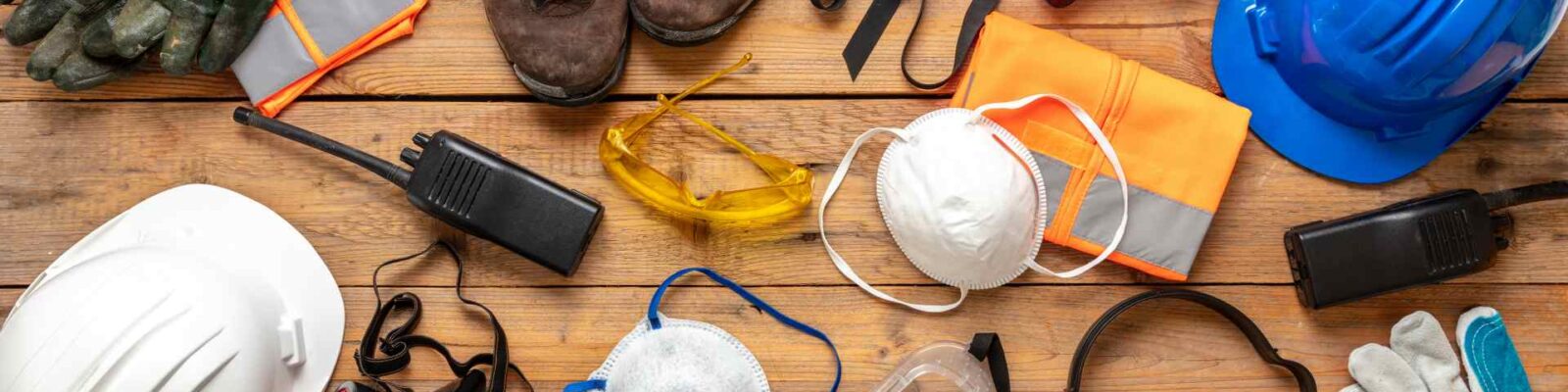
Collection of personal protective equipment essentials laid out for industrial use.
How Often Should PPE be Replaced?
The lifespan of PPE varies based on usage and type. Generally, replacements should occur: annually for items like gloves and helmets, bi-annually or per incident for eye protection depending on exposure, and quarterly for respiratory protection equipment.
Regular inspection and adherence to manufacturer recommendations are pivotal. This practice enhances savings on costly repairs.
Maintaining a comprehensive schedule ensures standards meet compliance and mitigates the risk of equipment failure, aligning with industrial equipment maintenance standards.
Daily Checklists for PPE Maintenance
Regular checklists are integral to maintaining PPE effectiveness. Essential steps include inspecting physical condition, verifying fit, and confirming the presence of all necessary components.
Documenting these checks ensures accountability and facilitates prompt corrective actions when issues are noted. Utilizing these lists improves efficiency in equipment failure prevention.
Streamlining these processes helps sustain high safety standards consistently.
Common Mistakes in PPE Upkeep
Neglecting regular cleaning and improper storage are frequent mistakes impacting PPE integrity. These oversights diminish its protective capabilities.
Ensuring proper labeling for maintenance and limiting personal modifications helps avoid such errors. Training employees on these maintenance fundamentals instills an enduring safety culture.
Addressing these preventable mistakes enhances the overall effectiveness and lifespan of PPE.
Key OSHA Standards Regarding PPE
OSHA outlines comprehensive standards for PPE to ensure it effectively protects workers. These guidelines are structured to mitigate hazards specific to different work environments, emphasizing protection against chemical, radiological, and mechanical threats.
Compliance requires understanding these standards, such as those specified under OSHA 1910 Subpart I, which focus on PPE requirements in general industry.
Following these regulations is crucial to safeguarding employee welfare, enhancing the organization’s reputation for safety.
Ensuring Compliance in the Workplace
Achieving OSHA compliance involves various best practices: Conduct regular training sessions to enhance worker competence and confidence regarding PPE usage.
Ensure proper PPE signage is displayed prominently, outlining necessary equipment for different tasks, environments, and processes.
Update PPE as standards evolve to remain aligned with advancements in safety technology and practices.
Conduct regular audits to assess and reinforce compliance levels, ensuring PPE’s efficacy, and mitigating potential risks.
These proactive steps help maintain high safety standards and minimize penalties for non-compliance.
Penalties for Non-Compliance
Non-compliance with PPE standards can lead to significant fines, legal repercussions, and enhanced scrutiny by regulatory bodies.
Penalties can include retraining mandates, immediate corrective actions, and increased frequency of inspections. These consequences underscore the importance of adhering to guidelines stringently.
An effective PPE policy not only prevents penalties but also promotes a robust safety culture within the workplace.
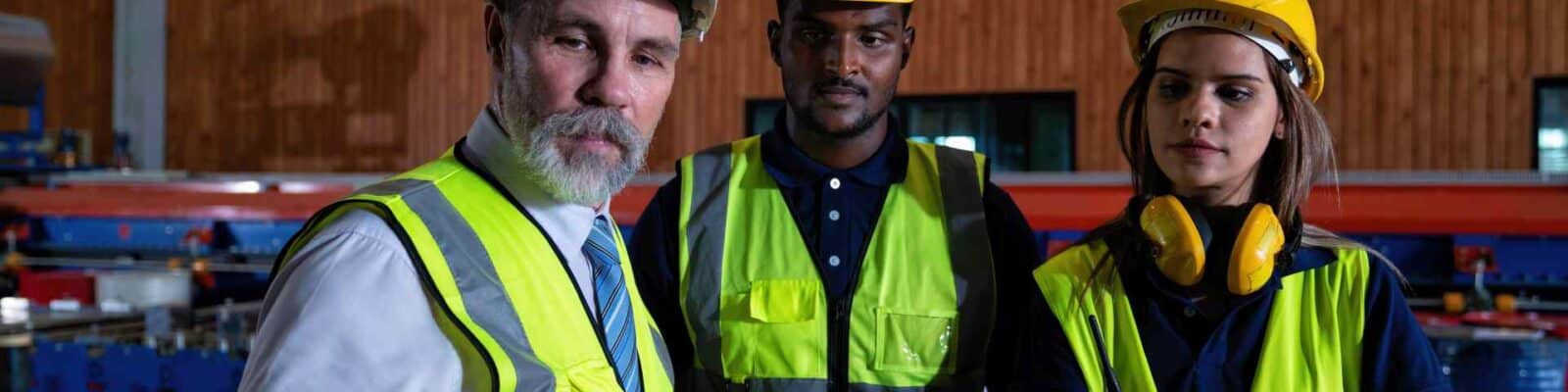
A diversity-inclusive workplace safety briefing held in an industrial warehouse setting.
Promoting a Culture of Safety
Integrating PPE into the daily routine requires a culture shift that prioritizes safety. Encouraging open dialogue between management and staff about safety measures makes PPE use more effective.
Organizations can foster safety-oriented behaviors by celebrating compliance and highlighting success stories within the team. This approach enhances adherence to safety practices by positively reinforcing desired behaviors.
Commitment at all levels is essential for instilling this culture, making PPE a natural element in workplace processes.
Employee Engagement and Training Programs
Comprehensive training programs ensure employees understand PPE’s importance and correct usage. Participation in these programs significantly enhances compliance rates.
Engagement is improved by involving employees in safety committees and providing forums to discuss challenges and innovations in PPE use.
Educational initiatives such as workshops and demonstrations increase familiarity and comfort with PPE, thereby reinforcing its use.
Monitoring and Continuous Improvement
Regular feedback sessions: Encourage open communication to identify safety concerns and improve PPE use continually.
Continuous training modules: Keep employees updated on the latest safety protocols and equipment.
Incentives for safety compliance: Reward consistent PPE use and initiative in safety improvements.
Access to safety resources: Provide easy access to current safety information and tools.
Employee empowerment initiatives: Foster ownership of safety practices among workers, enhancing engagement.
Safety performance metrics: Use data to track improvements and areas for development.
Embedding these elements into organizational practice ensures PPE remains a key aspect of a company’s daily safety protocols.
Innovations in PPE
Recent advances in PPE have revolutionized its role in workplace safety. Innovations include lighter, more comfortable materials, and enhanced protective capabilities that adapt to various occupational hazards.
The development of multi-functional PPE has addressed specific needs, balancing protection with comfort and ease of use.
Advancements illustrate the dynamic nature of PPE technology, showcasing its ongoing evolution in safety solutions.
The Role of Technology in Enhancing Safety
Technology plays a critical role in transforming how PPE functions within various environments. Digital solutions like wearable sensors and real-time monitoring capabilities have become integral components of safety strategies.
These technologies help track PPE usage patterns, ensuring equipment efficacy and compliance with safety standards.
Integration of modern safety tech reinforces the effectiveness of traditional PPE, heralding a new era of protection.
Future Trends in Workplace Safety
Emerging trends poised to reshape workplace safety include: Smart PPE devices offer enhanced personalization and data collection.
Real-time safety monitoring equips managers with immediate feedback on safety breaches.
Wearable safety tech integrates health monitoring with protective features.
AI-driven safety assessments personalize risk management and response strategies.
Data analytics for risk management empowers organizations to predict and prevent injuries.
Augmented reality training provides immersive, hands-on safety education.
IoT-enabled equipment enhances interconnectivity and proactive maintenance.
Virtual safety drills simulate real-life scenarios for improved emergency preparedness.
These innovations signify the future of safety, emphasizing adaptable, intelligent systems.
Frequently Asked Questions
The most common PPE items include helmets, gloves, eye and face protection, hearing protectors, and safety shoes. These essential items are designed to protect employees from various hazards such as impact, chemical exposure, and noise.
PPE should be inspected before each use for signs of damage or wear. Regular maintenance is crucial for ensuring effectiveness and safety. Follow the manufacturer’s recommendations for specific guidelines on replacement and upkeep.
Yes, PPE requirements vary by industry based on specific risks. Healthcare requires protective garments and masks, while construction focuses on helmets and high-visibility clothing. Compliance with industry-specific regulations is vital.
To ensure compliance, companies should provide training on proper PPE usage, conduct regular audits, keep up with updates in safety regulations, and ensure easy access to necessary equipment.
PPE reduces workplace injuries by providing a barrier between workers and potential hazards, minimizing exposure and impact. Proper use and selection of PPE can prevent a wide array of injuries and illnesses.
Successful PPE programs hinge on thorough risk assessments, comprehensive training, employee engagement, and ongoing monitoring. Ensuring that PPE is both comfortable and efficient encourages compliance.
Penalties can include fines, increased audits, and mandatory retraining. Non-compliance can lead to workplace injuries, underscoring the importance of adhering to PPE standards diligently.