Introduction to Choosing the Right Bearing
The process of choosing the right bearing is fundamental in many industries, impacting the efficiency and longevity of machinery. Proper selection ensures optimal performance and decreases the likelihood of bearing failures.
Understanding the importance of industrial equipment maintenance is vital for businesses aiming to minimize downtime and maintain smooth operations. Bearings play a crucial role in this, making their selection a critical task.
Why Choosing the Right Bearing is Crucial
Choosing the right bearing is essential because it directly impacts equipment performance and reliability. Bearings support and position moving components, enabling smooth and efficient operation. Incorrect selection can lead to increased wear and the need for frequent replacements, impacting productivity and cost.
Industries depend heavily on machinery, meaning that bearing failure analysis is a crucial part of maintaining productivity. By selecting the correct bearing, companies can improve their equipment’s reliability and efficiency.
Overview of Bearing Types
There are several types of bearings available, each suited for different applications. Common types include ball bearings, roller bearings, and thrust bearings, each providing specific benefits and drawbacks depending on their construction and application areas. Understanding these differences can guide you in industrial equipment maintenance and selection.
Application-Specific Bearings
Different applications require specific bearing solutions. Bearings utilized in high-speed applications have different requirements compared to those used in heavy-load situations. Recognizing the unique needs of each application is key to effective bearing selection, which in turn ensures the optimal performance of the equipment.

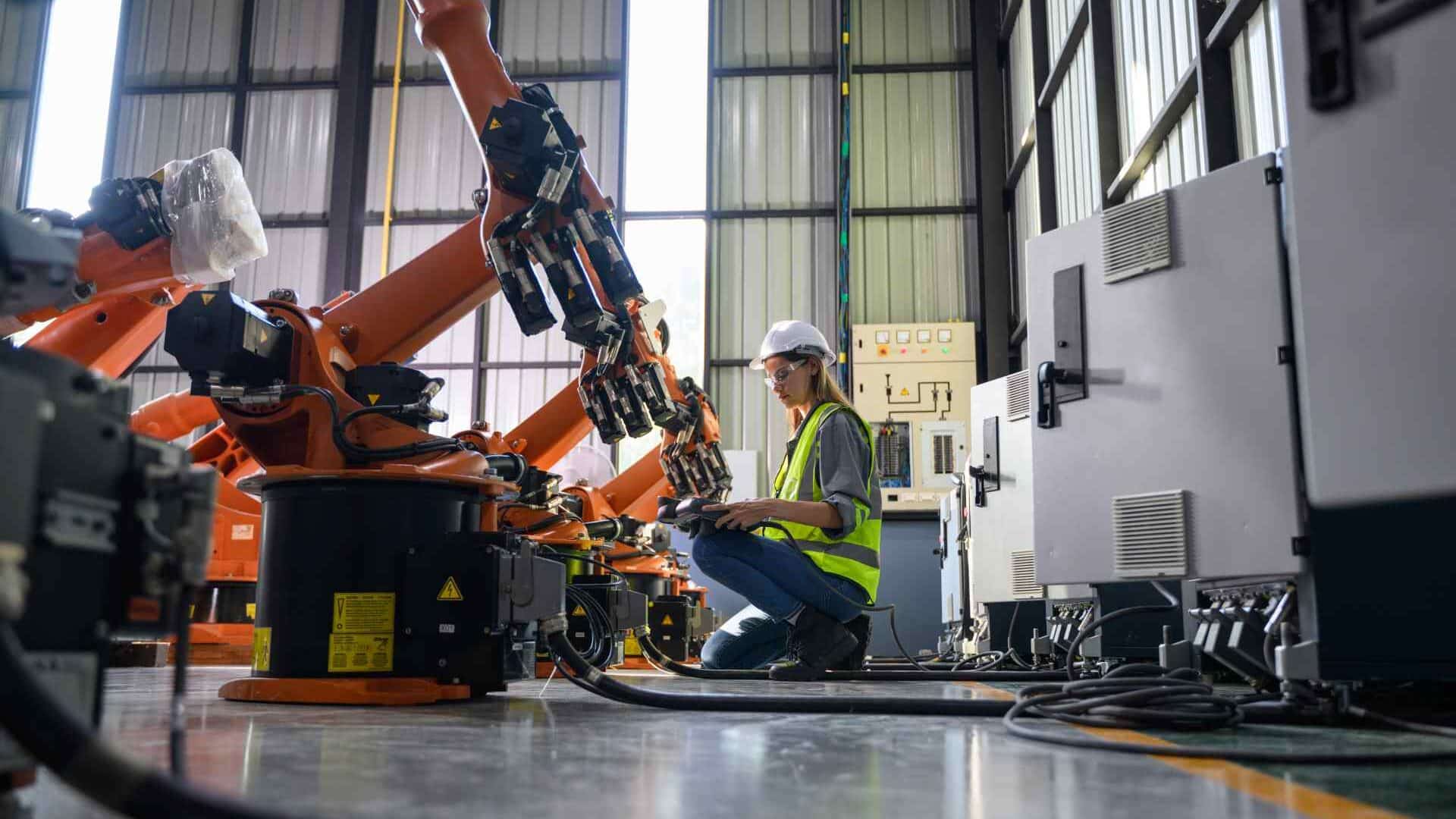
Industrial workers inspecting heavy machinery, ensuring operational and safety standards.
Factors to Consider When Selecting Bearings
When selecting bearings, understanding the conditions in which they will operate is key. Different applications carry different loads and stress, impacting the type of bearing required. Proper selection is a step towards extending equipment lifespan and improving machine reliability.
Load Carrying Requirements
Bearing load requirements include considerations of heavy, light, or variable loads. Accurate load assessment can guide in choosing bearings that withstand operational stresses without premature failure, aiding in equipment failure prevention.
Material and Composition
When selecting bearings, the material and composition play decisive roles. Many factors contribute to the efficiency of a bearing, such as:
Durability: Choosing durable materials helps support the long-term operation.
Resistance to corrosion: Bearings in harsh environments require corrosion-resistant materials.
Weight management: Opt for materials that help manage the total equipment weight effectively.
Considering these factors can prevent issues like equipment failures resulting from unsuitable bearing materials.
Understanding Operating Conditions
Operating conditions can significantly affect bearing performance, making it crucial to consider environmental factors during selection. By understanding these conditions, one can avoid failures and reduce equipment downtime.
Temperature Considerations
Bearing materials react differently to temperature changes. High temperatures might cause materials to expand, while cold conditions may lead them to contract. Choosing materials that can withstand temperature variations ensures longevity and reliability in various environments.
Exposure to Elements
Several external factors affect bearing performance, such as:
Moisture: Prolonged exposure can lead to rust and corrosion.
Dust and debris: Particles can penetrate and damage bearings over time.
Chemical exposure: Certain chemicals may degrade bearing materials.
Understanding these elements can be a critical part of preventive maintenance strategies.
Vibration and Shock Tolerance
Equipment subjected to high vibrations or shocks requires bearings that can absorb and counteract these forces without failure. Selecting bearings that offer high vibration and shock tolerance can aid in reducing downtime and safeguarding machinery.

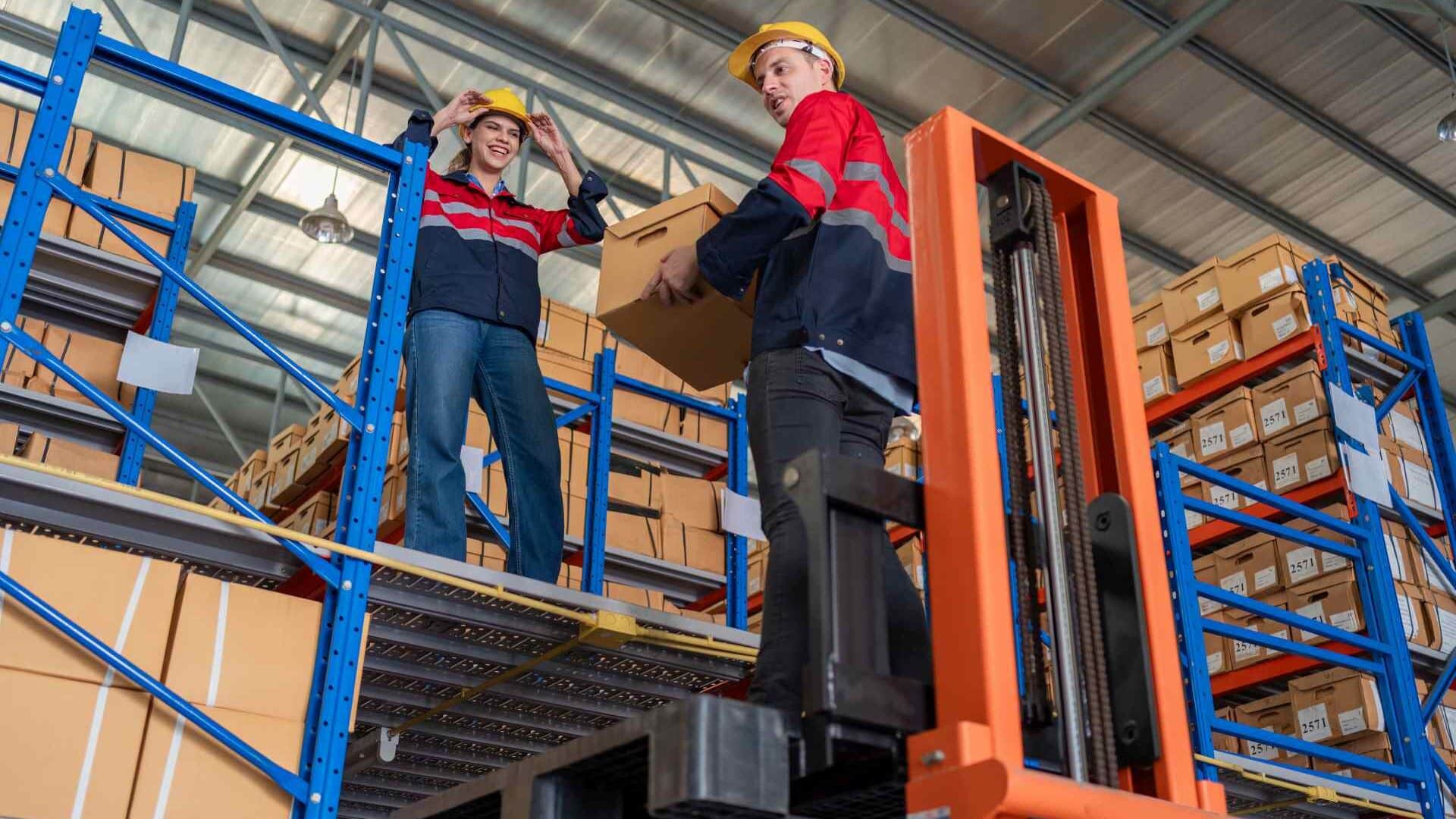
Safety officer discussing injury prevention with an employee in a warehouse setting.
Types of Bearings and Their Applications
Understanding the different types of bearings and their applications can help optimize equipment efficiency. This knowledge aids in not only choosing the right bearing but also in specific industry applications.
Ball Bearings
Ball bearings are versatile and used in various applications, from simple to complex machinery. They offer low friction and are best suited for lighter load applications but can still support some degree of radial and axial loads, making them a favorable choice in many scenarios.
Roller Bearings
Roller bearings excel in heavier load applications and are available in several configurations, such as:
Cylindrical: Suitable for high radial load capacities.
Tapered: Support both radial and axial loads, an excellent choice for belt drive troubleshooting.
Needle: Good for limited radial spaces, offering high load capacity.
These configurations widen the scope of their use in industrial environments.
Thrust Bearings
Thrust bearings are designed to accommodate axial loads and are commonly applied in low-speed, heavy-load scenarios. Industries dealing with heavy thrust applications, such as aerospace or automotive, greatly benefit from these bearings, contributing to improved cutting tool selection guides.
Maintenance and Troubleshooting Tips
Regular maintenance is vital for maximizing bearing longevity and preventing unexpected failures. Effective troubleshooting can minimize downtime and ensure cost efficiency in operations.
Routine Inspection Practices
Routine inspections are crucial for identifying early signs of wear and tear. Regular checks for misalignment, lubrication levels, and surface anomalies ensure that issues can be addressed before they lead to significant failures, thereby helping to reduce maintenance costs.
Lubrication Techniques
Choosing the correct type and amount of lubrication is key to bearing performance. Improper lubrication causes increased friction and leads to premature wear, impacting the overall power transmission efficiency of the machinery.
Common Bearing Failures
Bearing failures often occur due to factors such as improper installation, incorrect bearing choice, or lubrication failure. Understanding these common causes can lead to faster diagnosis and remediation.
Troubleshooting Guide
Developing a comprehensive troubleshooting guide involves knowing the signs of potential failure, such as unusual noises or increased vibration. By systematically approaching issues, you can maintain operational integrity and avoid catastrophic failures.

Industrial workers actively sorting different types of waste materials for recycling.
Innovations in Bearing Technologies
With rapid advancements in technology, bearing designs have witnessed significant innovations aimed at improving performance and extending lifespan.
Smart Bearing Systems
Smart bearing systems incorporate sensors that monitor performance metrics in real-time. Such systems enable predictive maintenance, leading to enhanced operational efficiency and reduced downtime. This proactive approach to maintenance helps in improving workplace safety culture.
Material Advancements
The development of new materials has provided bearings with improved capabilities, such as:
Higher temperature resistance: Enhancing performance in high-heat environments.
Self-lubricating materials: Reducing the need for frequent maintenance.
Enhanced load handling: Increasing bearing durability under stress.
Noise reduction capabilities: Operating more quietly without performance loss.
Lighter weight bearings: Improving efficiency by reducing overall weight.
Case Studies: Successful Bearing Applications
Case studies provide practical insights into how choosing the right bearings can enhance performance and lead to significant operational improvements in various industries.
Automotive Industry Successes
The automotive industry frequently relies on precise bearing selection to reduce fuel consumption and improve vehicle longevity. Successful applications have led to reduced friction and improved dynamics, showcasing how critical material handling safety measures result in tangible benefits.
Manufacturing Innovations
In the manufacturing sector, improvements from optimized bearing selection have resulted in:
Increased machine uptime: Ensuring continuous operation.
Improved operational efficiency: Achieving better results with fewer resources.
Reduction in maintenance costs: Lowering the financial overhead associated with frequent repairs.
Extended component lifespan: Enhancing the durability of machinery components.
Such outcomes emphasize the importance of precise bearing selection within lean manufacturing frameworks.
Future Outlook for Bearing Technologies
The future of bearing technologies looks promising, with a focus on eco-conscious manufacturing and digital integration. This evolution will continue to shape how industries leverage bearings for enhanced performance.
Eco-Friendly Bearings
As environmental concerns mount, the industry is shifting towards the development of eco-friendly bearings. These options minimize environmental impact and offer sustainable solutions for industrial supply chain optimization.
Integration with IoT
The integration of bearings with IoT technology allows real-time data collection and analysis, enabling more accurate maintenance schedules and operational adjustments, contributing to better fall protection equipment management.
Prospects for Further Innovation
The potential for future innovation in bearings includes:
Automation advancements: Enhancing productivity across various sectors.
Integration with AI: Creating smarter, self-regulating systems.
Predictive maintenance capabilities: Minimizing unexpected failures through advanced warning systems.
Frequently Asked Questions about Bearings
High-temperature environments require bearings that can withstand thermal expansion and maintain lubrication film thickness. Ceramic bearings and those made with special alloys are often suitable for such conditions due to their enhanced heat resistance.
Identifying when a bearing needs replacement involves looking for symptoms like abnormal noise, increased vibration, or visible wear. Routine inspections can help detect these signs early, preventing equipment failures.
Common signs of bearing wear include unusual noises, an increase in operational temperature, or visible signs of wear like scoring or indentations. Addressing these promptly can help maintain the lockout tagout (LOTO) safety of machinery.
Bearings should be inspected regularly, with frequency depending on the operating environment and load conditions. Generally, high-load or high-speed applications require more frequent checks to maintain v-belts and pulleys efficiently.
Using the wrong bearing can lead to premature failure, increased operational costs, and even damage to adjacent components. It can severely affect equipment reliability and overall performance.
Effective lubrication can be ensured by selecting the appropriate lubricant type and amount, considering the operational environment, and maintaining a regular lubrication schedule. Monitoring temperature and friction levels can also help in assessing lubrication effectiveness.
For heavy loads, consider bearings with high load capacities, such as roller or spherical bearings. The bearing’s material and construction should be able to handle the stress without deformation or premature failure.
Yes, eco-friendly bearing options are increasingly available. These are typically manufactured from materials with a lower environmental impact and designed for longer life, reducing waste and energy consumption.