Introduction to Warehouse Safety
Implementing warehouse safety best practices is paramount for material handling operations. In environments where preventive maintenance is crucial, ensuring the safety of workers and assets holds top priority. Establishing robust safety measures can substantially reduce the risk of accidents, thus promoting a safer and more efficient workplace.
Material handling involves the use of various equipment, and choosing the right bearing is vital to operations. By understanding the risks associated with the processes involved, companies can put in place comprehensive safety protocols to mitigate these dangers.
The Importance of Safety Protocols
Safety protocols directly impact the reduction of workplace injuries and operational downtime. Ensuring compliance with standards, such as those set by OSHA, not only protects employees but also enhances productivity. Preventive maintenance is often aligned with safety procedures to keep equipment in top condition.
Aware of potential hazards, organizations that prioritize safety protocols witness fewer accidents and maintain a healthier work environment. This culture of safety is indispensable in supporting long-term operational goals.
Key Objectives of Safety Practices
The main objectives of implementing effective warehouse safety practices include minimizing injuries, optimizing productivity, and maintaining regulatory compliance. Safety measures should focus on protecting workers through adequate training and the use of personal protective equipment.
Cultivating a culture of safety encourages employees to be proactive about their own protection. Regular assessments and updates to safety programs ensure that risks are continually minimized, promoting a sustainable safety framework.
Ultimately, warehouse safety best practices aim to create an environment where risks are controlled, employees are well-protected, and operations flourish.
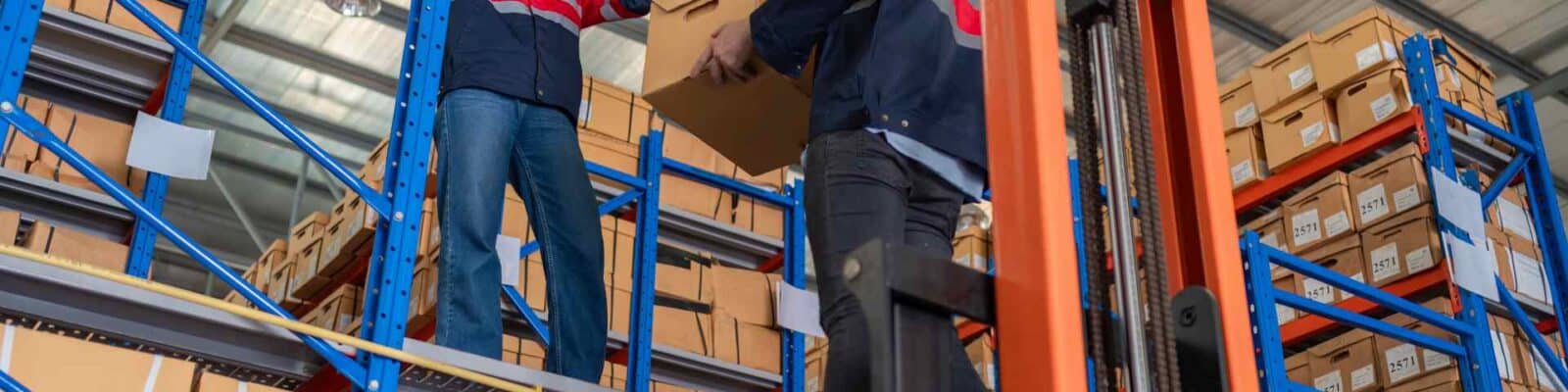
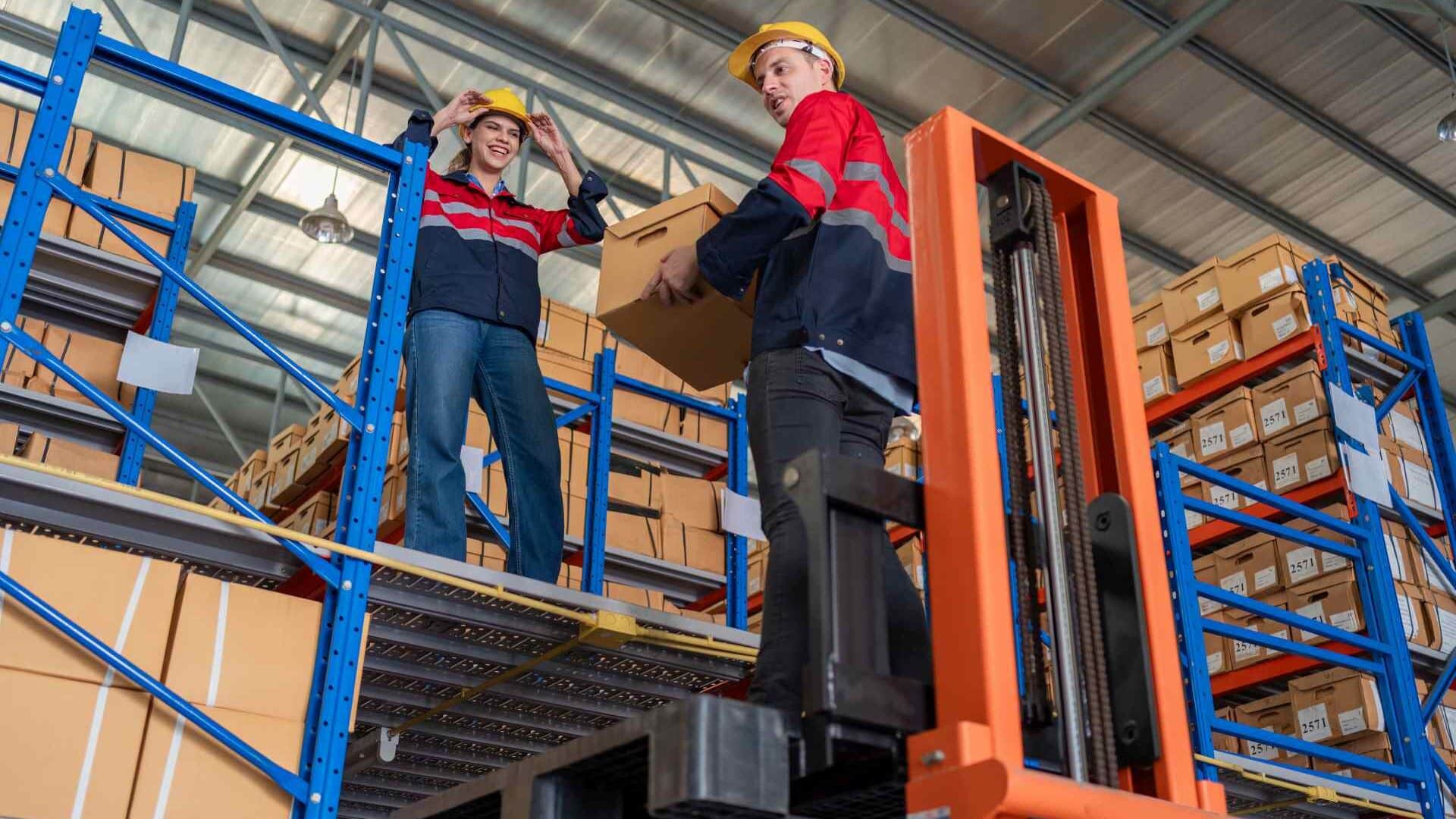
Workers using ergonomic material handling equipment to enhance safety and efficiency in warehouse.
Common Warehouse Hazards
Warehouses are inherently filled with potential hazards. Identifying and addressing these risks are critical to maintaining a safe work environment. Here are some common dangers:
- Slips and trips: Uncleared debris or wet floors can lead to serious injuries.
- Falling objects: Poorly stacked materials may fall, posing serious risks to workers.
- Forklift accidents: Improper operation can lead to collisions, causing injury.
- Ergonomic injuries: Incorrect lifting techniques can result in strains and sprains.
- Chemical exposure: Handling hazardous substances without proper precautions.
- Fire hazards: Inadequate fire suppression systems pose high threats.
- Electrical hazards: Faulty wiring or overloaded circuits can cause harm.
It is vital to implement workplace safety procedures that address these threats effectively.
Examples of Material Handling Hazards
Material handling involves various tasks, each with its own set of challenges. For instance, lifting heavy items can lead to back injuries if not executed properly. Forklifts, if improperly maintained, can cause severe accidents. Furthermore, inadequate lockout/tagout (LOTO) procedures may expose workers to dangerous machine parts.
Mitigation Strategies
Employers can reduce risks by adopting several mitigation strategies. Regular training on fall protection, proper lifting techniques, and regular equipment maintenance are crucial. It’s also essential to enforce strict adherence to PPE guidelines and ensure that all safety equipment is readily available and operational.
Additionally, conducting regular safety audits can help identify potential gaps in safety protocols and provide opportunities for continual improvement.
Safety Protocol Implementation
Implementing safety protocols involves laying a strong foundation of awareness for all employees. From onboarding to ongoing training, reinforcing the importance of safety cannot be understated. Employers should ensure that safety instructions are visible throughout the warehouse.
Incorporating feedback mechanisms also allows employees to report hazards without fear of reprisal, fostering a dynamic culture of safety and improvement.
Role of PPE in Warehouses
Personal Protective Equipment (PPE) plays a critical role in ensuring the safety of warehouse workers engaged in material handling tasks. The use of PPE reduces the risk of injury when dealing with machinery and hazardous substances.
When incorporated alongside comprehensive training programs, PPE provides an essential layer of defense against various workplace hazards. Ensuring compliance with OSHA standards further reinforces these safety measures.
Types of PPE
Warehouse settings often require workers to employ specific types of PPE, including:
- Helmets: Protect the head from falling debris and low-clearance areas.
- Gloves: Assist in handling materials, preventing cuts and abrasions.
- Safety glasses: Safeguard eyes from dust and chemical splashes.
- Hearing protection: Minimizes noise pollution which can damage hearing.
PPE Guidelines
Adherence to PPE guidelines ensures that all employees are adequately protected. Guidelines must be clear, accessible, and regularly reviewed to integrate technological advancements and improved materials.
Regular inspections of PPE, ensuring its availability and correct usage, significantly contribute to workplace safety. Collaboration with PPE providers can also lead to tailored solutions that fit specific warehouse needs.
Ensuring Compliance with PPE
Consistently applying PPE guidelines is vital for regulatory compliance. Keeping detailed records of PPE training and usage supports adherence to OSHA compliance and serves as a benchmark for safety audits.
Ultimately, committed management oversight and continuous reinforcement of PPE use are indispensable in maintaining high safety standards in warehouse environments.

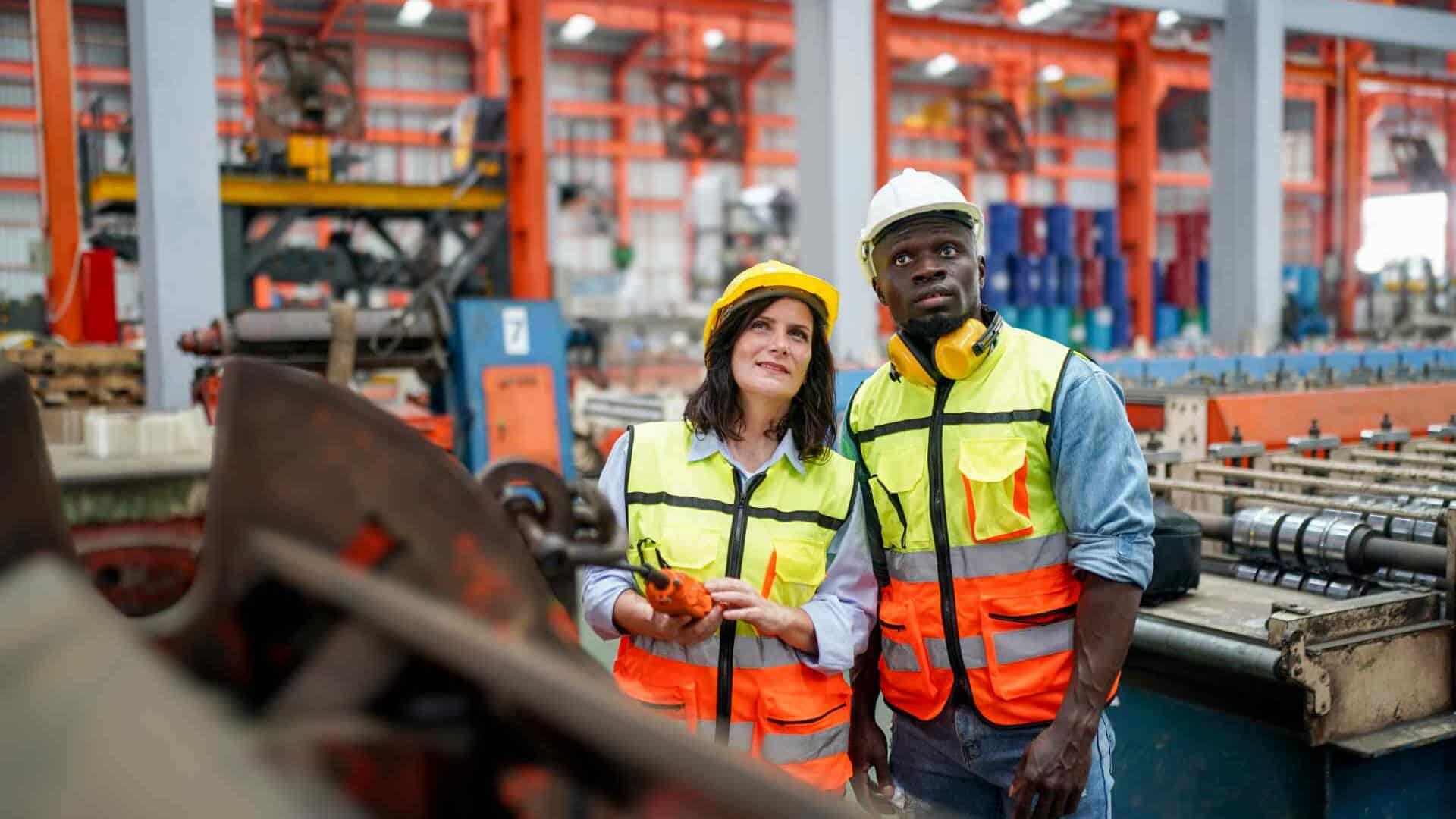
Three workers engaged in a safety training session within a warehouse environment.
Introduction to Safety Training
Safety training programs are pivotal in maintaining warehouse safety standards. By equipping workers with essential knowledge, these programs help prevent accidents and improve efficiency.
Industries committed to industrial safety training often see a reduction in workplace incidents, reinforcing the importance of ongoing education and skill development for all employees.
Components of Effective Training
An effective training program encompasses several key components:
- Understanding hazards: Educating workers on potential workplace risks and how to mitigate them.
- Emergency response drills: Practicing procedures to respond effectively during accidents or emergencies.
- Regular training updates: Keeping workers informed about new safety regulations and standards.
Incorporating Simulation for Training
Simulation-based training provides hands-on experience, allowing workers to engage with real-world scenarios in a controlled environment. This approach enhances understanding and retention, preparing employees more effectively for potential hazards they may encounter.
Furthermore, it fosters active participation and improves safety culture by allowing employees to practice their responses to emergency situations.
Tracking Training Progress
Keeping track of training efforts is essential for gauging their effectiveness. Regular assessments and feedback loops help identify areas needing improvement, thereby enhancing the overall safety culture of the workplace.
Organizations should maintain comprehensive records of training sessions while encouraging employee input to continuously refine and improve training modules.
Innovative Safety Technologies
Advancements in safety technology are transforming warehouse operations, offering new ways to protect workers and optimize performance. Cutting-edge solutions provide unified systems for monitoring and mitigating potential hazards in real-time.
Such technologies streamline safety management processes, enhancing workplace injury prevention and offering scalable safety solutions that grow with the business.
The Future of Safety Equipment
With continuous innovation, the future of safety equipment is being reshaped by advancements such as wearable devices, AI-based monitoring systems, and automated alert systems. These technologies offer proactive safety solutions, anticipating potential risks before they manifest.
By integrating smart technologies, warehouses can significantly improve safety protocols and align with industry standards to extend equipment lifespan and ensure safety compliance.
Integrating Technology in Safety Protocols
The integration of technology in safety protocols goes beyond equipment updates. It includes developing comprehensive systems that use data analytics to predict hazards and assess safety measures.
Organizations leveraging technology to enhance safety protocols facilitate a dynamic safety environment that continuously adapts to new challenges, ensuring a safer workplace for all employees.

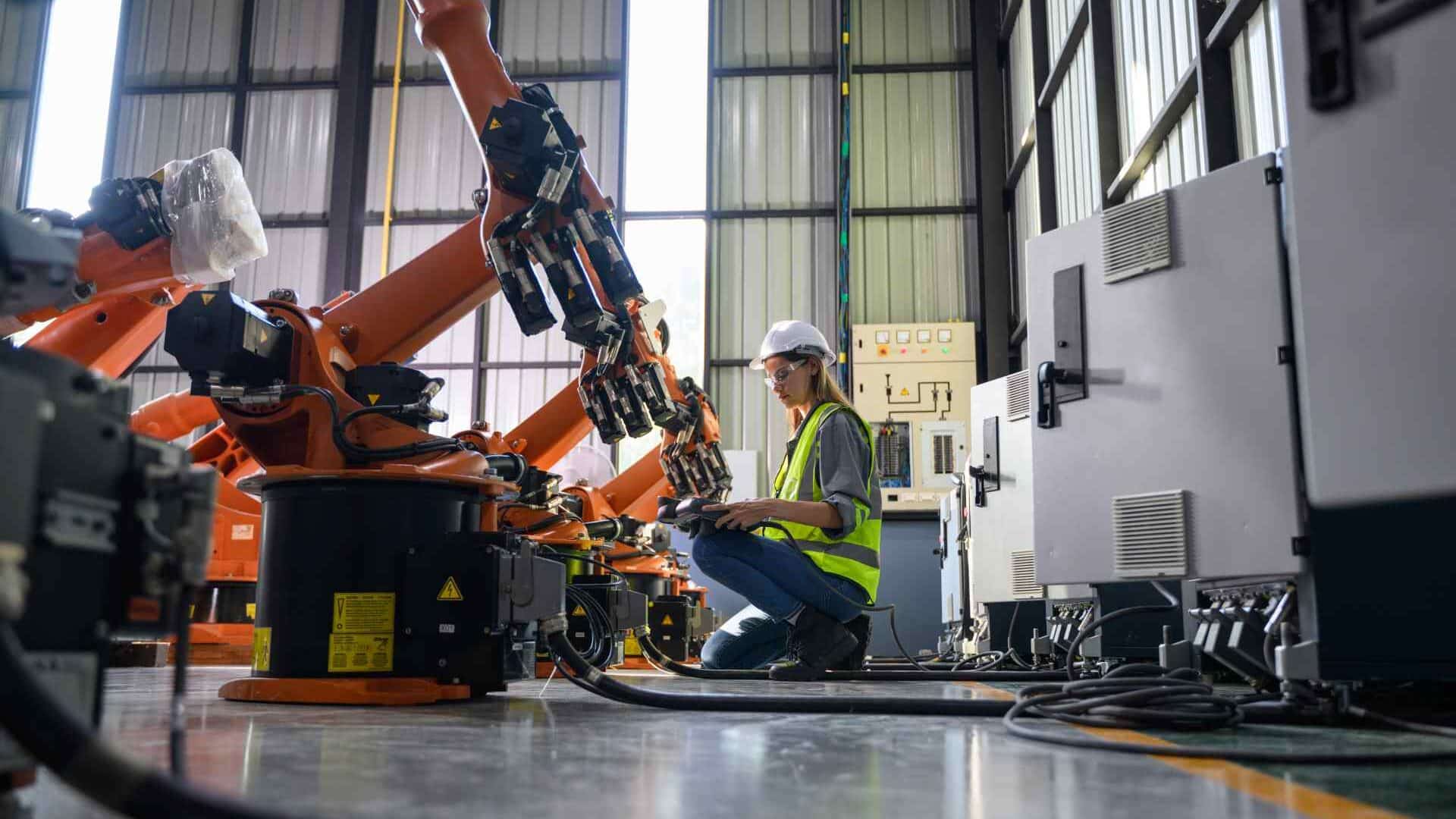
Worker operating a sophisticated crane lifting device in a large warehouse, ensuring safety.
Assessing Current Safety Standards
Evaluating current safety standards is crucial for identifying areas needing improvement. Regular assessments help ensure that practices remain effective and compliant with industry regulations. Safety audits, employee feedback, and maintenance cost reduction strategies provide valuable insights into operational efficiency.
Continuous Improvement Framework
A robust continuous improvement framework not only enhances safety but also boosts overall productivity. Implementing regular updates to safety procedures and integrating feedback mechanisms ensures protocols are effective and relevant.
OSHA compliance serves as a baseline guide, but companies that go beyond these minimum requirements often achieve a superior level of safety management.
Benchmarking Against Industry Standards
Setting benchmarks based on industry standards aids in maintaining high safety levels. Regularly comparing in-house practices against these benchmarks allows for timely identification of discrepancies and opportunities for enhancement.
Utilizing benchmark data effectively empowers organizations to continuously refine their safety practices, fostering an environment committed to the highest safety standards.
Summary of Safety Protocols
In conclusion, implementing warehouse safety best practices is indispensable in reducing workplace accidents and promoting a safe working environment. Ensuring that safety protocols are current and compliant with regulatory standards is vital.
Reinforcing Safety Culture
Safety culture is the foundation of any robust safety program, imperative for preventing accidents and maintaining operational efficiency. By embedding a strong safety ethos throughout the organization, employees are encouraged to prioritize safety in all aspects of their roles.
Training programs play a critical role in fostering this culture, with continuous industrial safety training ensuring skills and awareness are up-to-date.
Final Thoughts on Warehouse Safety
The commitment to warehouse safety is an ongoing process, indispensable for any facility striving for operational excellence. High safety standards not only protect the workforce but also enhance overall efficiency and productivity.
By adhering to the discussed practices, organizations can optimize their OSHA compliance while ensuring a safer, more productive workplace. Long-term success in warehouse operations is deeply tied to the integrity and thoroughness of its safety measures.
Frequently Asked Questions
Material handling in warehouses typically faces hazards such as slips, trips, falling objects, forklift accidents, ergonomic injuries, chemical exposure, and electrical hazards. Each of these poses significant risks that must be managed through proper safety practices and equipment.
PPE is critical in warehouse operations as it provides necessary protection against various types of hazards. Helmets, gloves, and other protective gear safeguard workers from physical injuries, chemical exposures, and other potential dangers in the workplace.
Warehouse workers should receive comprehensive safety training that covers hazard identification, emergency response procedures, and regular updates on safety standards. Incorporating simulation into training helps workers effectively handle real-life situations.
Technology enhances warehouse safety through the use of innovative tools like AI-based monitoring systems and automated alerts. Such advancements streamline risk management, enabling proactive identification and resolution of potential hazards.
Preventing accidents involves implementing rigorous safety protocols, ensuring proper PPE usage, conducting regular safety training, and maintaining equipment. Consistent oversight and employee engagement are also vital in accident prevention.
Management is crucial in enforcing safety standards, providing necessary resources for safety initiatives, and fostering a culture of safety. Their commitment to continuous improvement and regulatory compliance greatly influences overall safety outcomes.
Yes, warehouses must comply with regulations such as OSHA standards to ensure workplace safety. Compliance involves adhering to safety guidelines, maintaining records, and regularly reviewing protocols to align with regulatory requirements.
Safety protocols should be reviewed regularly, typically annually, or whenever significant changes occur in the workplace. Continuous monitoring and feedback can accelerate improvements in safety practices, ensuring sustained effectiveness.