Understanding Material Handling Safety
Material handling safety is pivotal for reducing workplace injuries and enhancing productivity. Incorporating ergonomic practices ensures that workers operate in environments that minimize strain and overexertion risks. By understanding the core principles of personal protective equipment (PPE) and embracing workplace injury prevention strategies, organizations can foster safer workspaces.
Ergonomics, a critical component of material handling safety, focuses on creating systems where workers can interact with equipment in ways that reduce discomfort. Implementing workplace injury prevention measures not only mitigates potential hazards but also optimizes the efficiency of operations.
Key Ergonomic Practices
Effective ergonomic practices involve designing workstations and providing tools tailored to the workers’ needs. Adjusting heights, demonstrating proper lifting techniques, and ensuring that equipment is easy to adjust contribute significantly to worker well-being. Such measures not only reduce the likelihood of injuries but also promote swift recovery and maintain productivity.
Importance of Safety Training
Comprehensive safety training is essential for equipping employees with the knowledge to identify and control workplace risks. Consistent training sessions emphasize the correct use of equipment and attire, such as PPE, thereby reducing accident rates effectively. Employees well-versed in safety protocols are pivotal in fostering a culture of vigilance and preparedness.

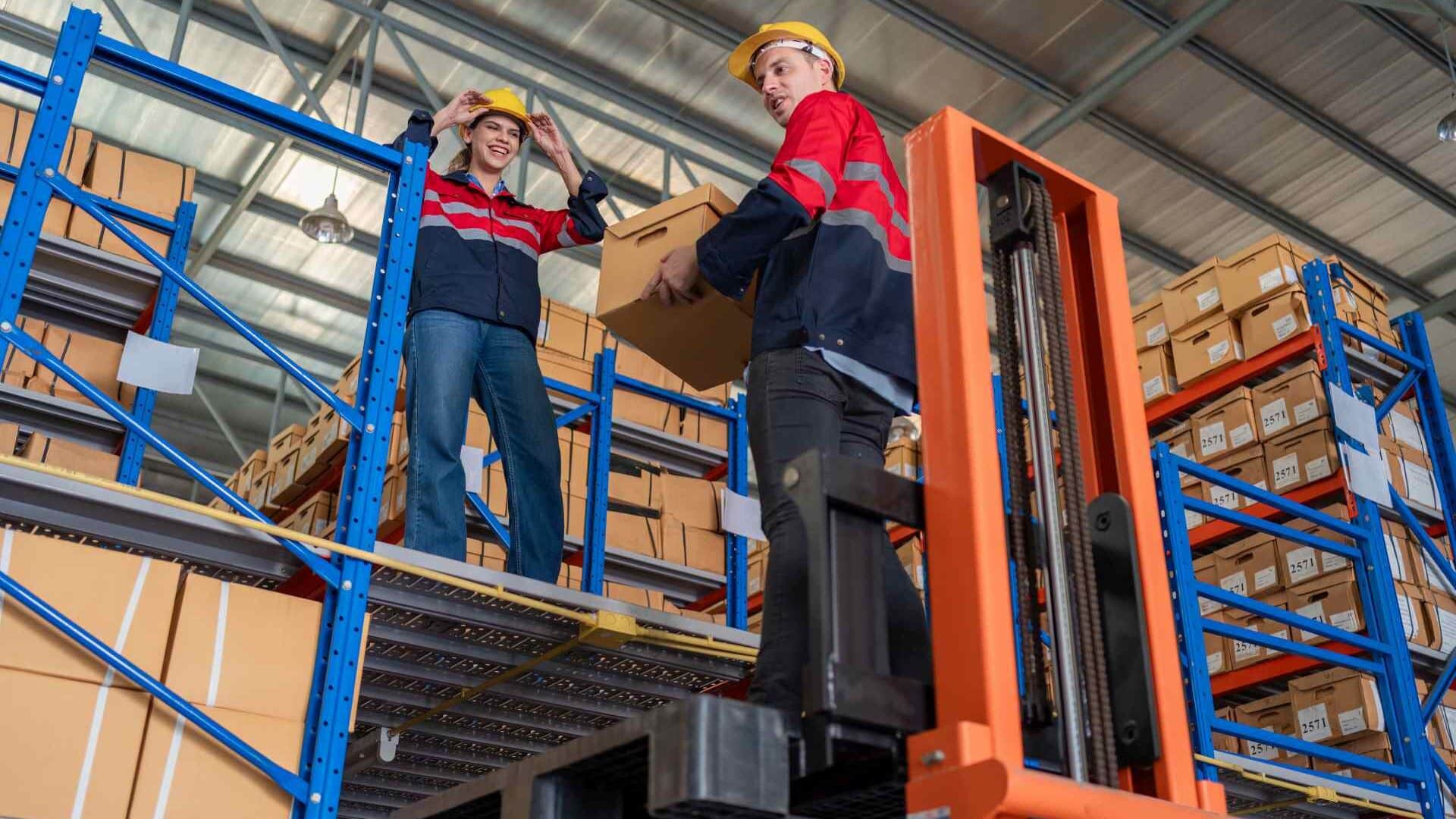
Warehouse employees organizing orders and managing inventory using a digital system.
Common Hazards in Material Handling
Material handling operations face numerous hazards, including slips, trips, falls, and equipment-related injuries. Identifying these risks requires detailed audits and assessments, often highlighting overlooked dangers. Addressing these concerns involves educating employees on safe practices during lockout-tagout (LOTO) processes and encouraging adherence to strict guidelines.
Risk Mitigation Tips
Implementing safety measures is crucial for minimizing material handling risks. Organizations should focus on conducting regular safety audits to pinpoint vulnerabilities and ensure compliance with safety standards through industrial safety training. Enlightened workers can take preventative actions, significantly reducing accidents and boosting efficiency.
- Conduct regular safety audits: Scheduled checks help identify potential hazards and ensure all equipment is up to date.
- Train employees on equipment use: Providing thorough training ensures familiarity with operation and emergency protocols.
- Ensure proper lifting techniques: Training workers on correct lifting methods prevents strain and reduces injury risks.
- Utilize appropriate personal protective equipment: Selecting and using the right PPE for specific tasks protects against accidents.
Ergonomic Equipment Options
Opting for ergonomic equipment like adjustable desks, lift tables, and ergonomic handles can vastly improve the safety and efficiency of material handling processes. These tools are designed to align with natural body mechanics, thereby reducing the risk of musculoskeletal injuries and enhancing operational efficiency.
Layout and Design Considerations
The layout of a material handling workspace significantly impacts its safety and productivity. Incorporating ergonomic principles into the design helps streamline workflows and minimizes unnecessary movements. Considerations should include not just the placements of machines and tools, but also emergency and bearing choices to reduce maintenance costs in the long term.
Employee Training and Awareness
Continuous training in ergonomic practices is vital for maintaining a high standard of safety within material handling operations. Instructors should focus on teaching proper lifting techniques and encourage regular breaks to prevent fatigue. Strengthening a culture of safety and employing ergonomic assessment tools are essential for proactive engagement.
- Teach proper lifting techniques: Ensure employees are trained in safe methods to reduce stress on joints.
- Encourage regular breaks: Scheduled intervals prevent fatigue and maintain productivity.
- Promote a culture of safety: Fostering an environment where safety is prioritized helps prevent accidents.
- Use ergonomic assessment tools: Regular assessments identify risks and highlight areas for improvement.
- Foster an environment of communication: Encourage open discussions about safety concerns and solutions.
- Collect feedback from employees: Regular feedback sessions help identify unnoticed hazards.
- Regularly update training programs: Ensure training materials reflect current best practices and technologies.
- Ensure management is involved in safety initiatives: Active participation from leadership emphasizes the importance of safety.
Understanding OSHA Regulations
The Occupational Safety and Health Administration (OSHA) outlines numerous regulations focusing on material handling operations to safeguard worker health and safety. Familiarizing yourself with these regulations is key to ensuring compliance and minimizing the risk of legal repercussions.
Compliance Checklist
A compliance checklist can guide organizations in meeting OSHA standards. This involves verifying that machinery is equipped with proper guards, ensuring that emergency exits are accessible, and that OSHA compliance is regularly reviewed and met.
Staying Updated on Safety Standards
Maintaining awareness of current safety standards is crucial for minimizing workplace hazards. Regularly consulting with industry experts and attending safety workshops can provide insights into emerging trends and lead to a stronger safety culture.
Organizations should conduct periodic reviews to make necessary adjustments that align with changes in regulations.
Types of PPE Required
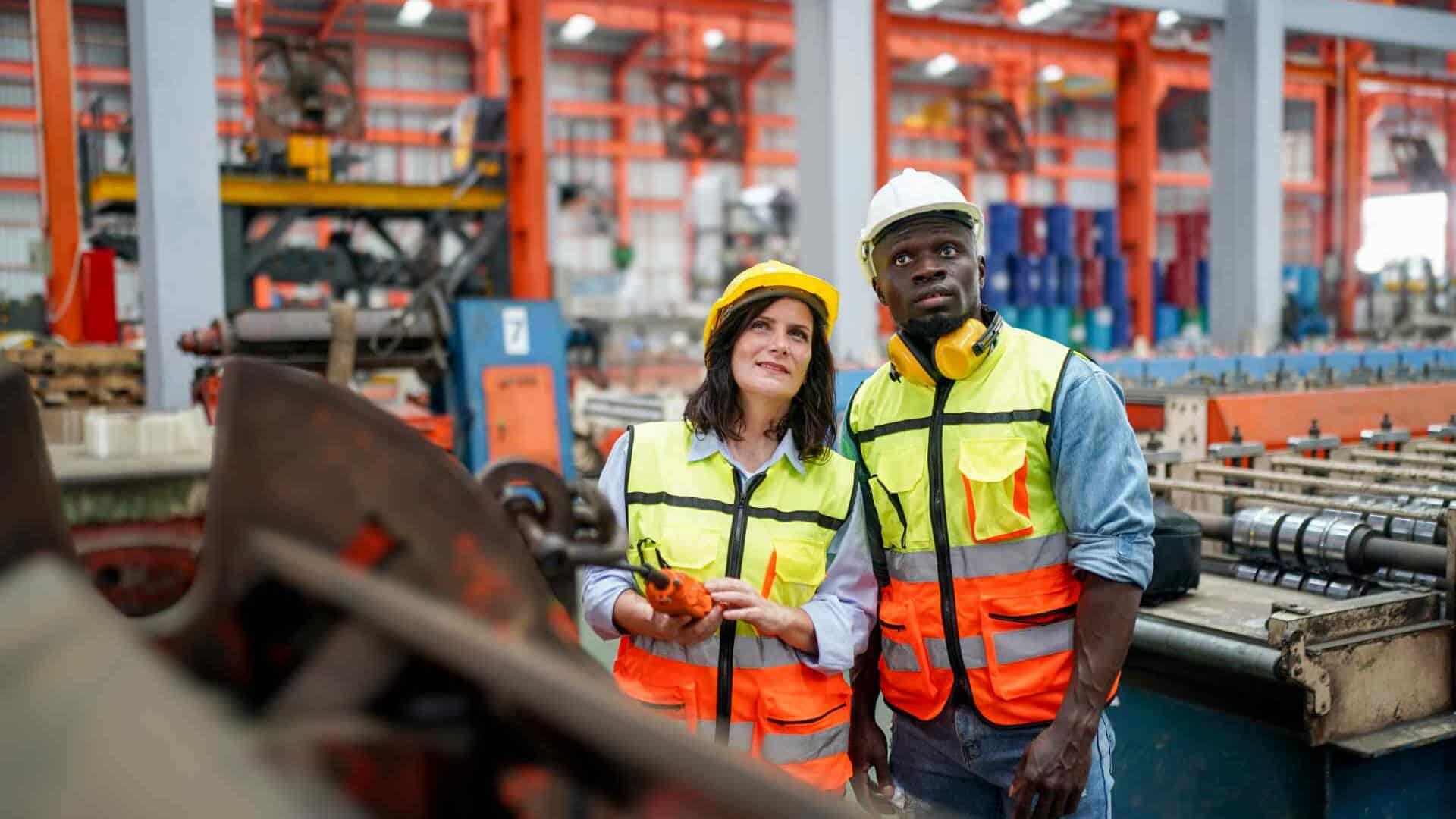
Personal Protective Equipment (PPE) plays an essential role in minimizing injuries during material handling operations. The selection of appropriate PPE should align with the nature of tasks being performed to ensure maximum protection for all workers.
- Hard hats: Protect against head injuries from falling objects.
- Safety gloves: Prevent cuts and abrasions from handling materials.
- Steel-toed boots: Shield feet from heavy falling materials and compression injuries.
- Eye protection: Guards against particles and chemical splashes that can damage eyesight.
Choosing the Right PPE
Selecting the correct PPE involves evaluating the specific hazards associated with each task. Company policies should guide this selection process, ensuring compliance with safety regulations while accommodating the unique needs of different operations.
Training Employees on PPE Use
It is vital that employees are well trained in the proper use and maintenance of PPE. Effective training programs ensure workers understand the importance of wearing PPE correctly to maximize its protective benefits.
Engagement Strategies
Engagement strategies within material handling teams can significantly enhance the safety and efficiency of operations. Encouraging active participation through safety drills is one approach to emphasize the importance of safety in daily tasks. These drills help familiarize employees with protocols and procedures, ingraining actions that become instinctive during actual emergencies.
Performance Metrics to Monitor
Establishing and analyzing performance metrics is a critical step toward improving material handling safety. Tracking incidents, near misses, and compliance rates can highlight areas needing attention. Regular reviews can ensure that safety measures remain effective and adapt to evolving challenges in warehouse safety best practices.
Feedback Loops and Adjustments
Implementing robust feedback mechanisms enables teams to share insights and suggestions for safety improvements. A culture of open communication ensures that team members feel valued, and actively participate in initiatives designed to improve safety standards.
Management should encourage continuous improvements by adjusting policies in response to feedback and aligning them with industrial advancements.
Linking Safety to Efficiency
Establishing a strong link between safety and operational efficiency underscores the importance of integrating rigorous safety protocols in material handling. Efficient processes reduce downtime, lower injury rates, and increase productivity, translating directly to enhanced business performance.
Future Trends in Material Handling Safety
The future of material handling safety is set to be shaped by technological advancements and innovative solutions. Automation, advanced sensor technology, and AI-driven monitoring systems promise to redefine safety in warehouses and production floors, predicting risks before they manifest. Remaining abreast of these trends will be crucial for businesses aiming to maintain competitive advantage.
Concluding Thoughts
Good material handling practices are foundational to worker safety and operational success. By embedding ergonomic principles, robust training, and continuous improvement strategies, organizations can ensure a safer and more efficient workplace, aligning with modern safety standards.
Frequently Asked Questions
Essential equipment for safe material handling includes forklifts, hand trucks, conveyors, and hoists. Each of these tools is designed to reduce the physical strain on workers and improve the efficiency of moving goods. Ensuring this equipment is regularly maintained and operated by trained personnel can prevent accidents and injuries.
Ergonomic practices minimize workplace injuries by designing tasks, equipment, and work environments to suit the human body’s capabilities and limitations. This involves adjusting workstation heights, using assistive tools to reduce lifting, and implementing proper body mechanics in everyday tasks. By aligning the job with the worker’s physicality, ergonomic practices significantly decrease the chance of musculoskeletal disorders and related injuries.
Regulations affecting material handling include OSHA guidelines, which dictate safe operation procedures, maintenance requirements, and necessary safety measures. Compliance with these regulations involves adhering to standards for machine guarding, ensuring safety signage and training programs are in place, and maintaining appropriate records of safety measures.
Safety training for material handling staff should occur regularly and be updated to include new regulations, equipment, and safety practices. Many experts recommend quarterly training sessions, supplemented by additional training whenever new equipment is introduced or when there are updates to safety regulations. Frequent training ensures that employees remain aware of potential hazards and the latest safe handling techniques.