Introduction to Industrial Equipment Maintenance
Importance of Maintenance
Industrial equipment maintenance is vital for ensuring the optimal performance and longevity of machinery. It plays a critical role in extending equipment lifespan, minimizing unexpected breakdowns, and enhancing overall productivity. Proper maintenance also helps in reducing long-term costs associated with unexpected repairs.
Regular maintenance provides an opportunity to catch potential issues before they escalate. This proactive approach can save businesses significant resources and prevent downtime that could affect profitability.
Overview of Challenges
Despite its importance, industrial equipment maintenance is fraught with challenges. One considerable hurdle is the scheduling of maintenance without disrupting production processes. Additionally, maintaining complex machinery requires technical expertise that may not always be readily available in-house.
Another challenge lies in the ability to adhere to a schedule while managing operational demands. The availability of parts and the need for specialized tools further complicate maintenance efforts.
Benefits of Preventive Measures
Implementing preventive maintenance measures offers numerous benefits. It can help reduce equipment downtime, thus maintaining a steady production pace. Preventive maintenance also optimizes equipment performance, leading to improved product quality.
Besides enhancing reliability, these measures often result in cost savings as they reduce the incidence of major repairs and extend the life of equipment components.

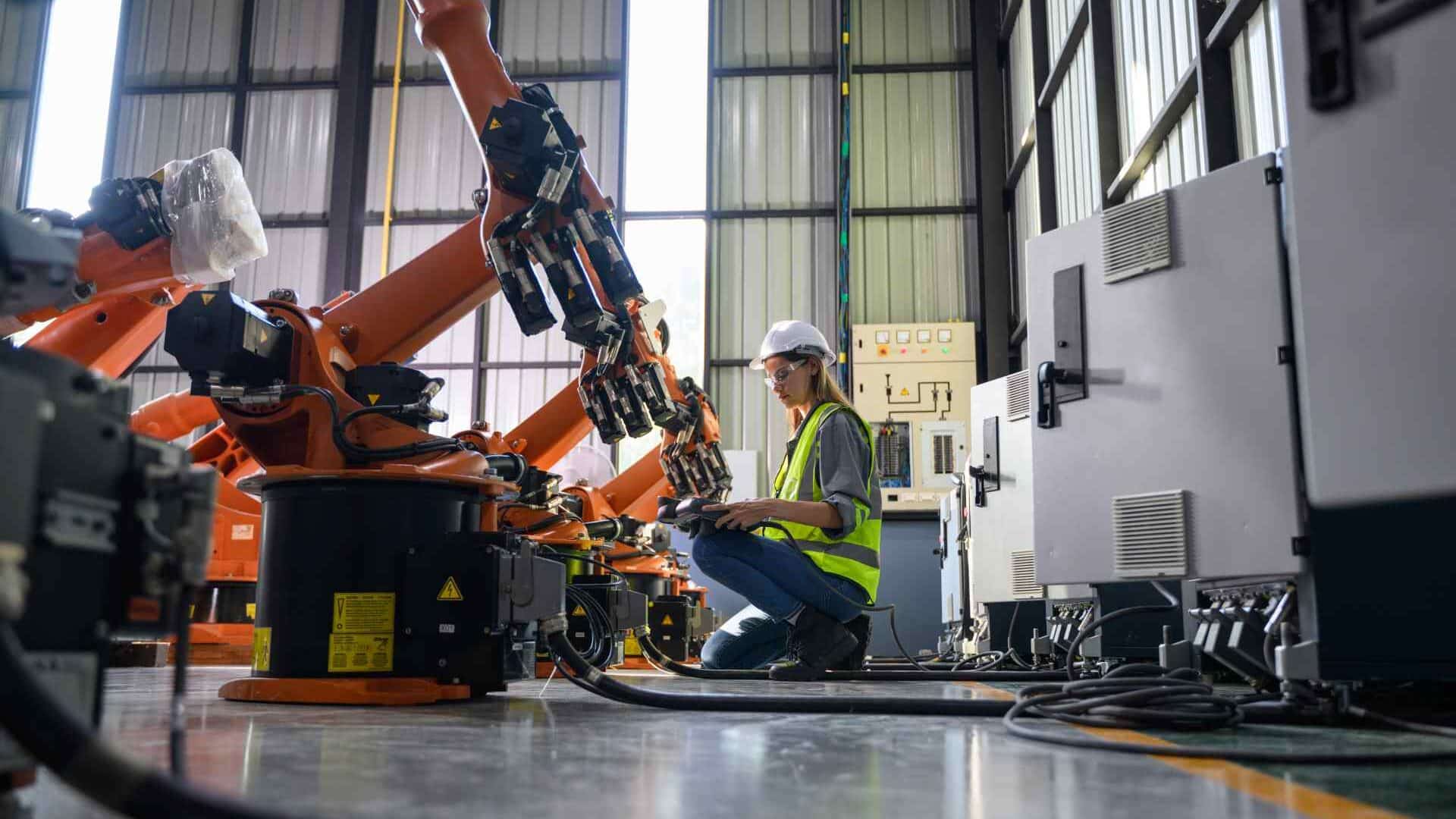
Focused technician performing meticulous checks on robotics to ensure operational continuity.
Key Components of Preventive Maintenance
Routine Inspections
Routine inspections are a cornerstone of effective industrial equipment maintenance. They help identify minor issues before they develop into significant problems. Key aspects of routine inspections include:
- Visual inspections: Allow quick identification of visible wear or damage.
- Performance tracking: Monitors equipment efficiency and output consistency.
- Safety checks: Ensure that all safety features are operational and that the machinery is safe to use.
- Component assessments: Review critical parts for wear and tear.
- Reporting: Maintains records and informs future maintenance scheduling.
Scheduled Servicing
Scheduled servicing involves planned checks and maintenance of equipment at regular intervals. This approach helps prevent unscheduled breakdowns and ensures that machinery receives consistent attention. It is a proactive method to prevent equipment failure.
By adhering to a well-structured servicing plan, businesses can ensure their equipment operates at peak efficiency, reducing the risk of unexpected failures.
Maintenance Record Keeping
Maintaining detailed records is crucial in industrial equipment maintenance. Accurate records assist in tracking the performance history of machinery and aid in downtime reduction. These records offer insights into recurring issues, helping to anticipate future maintenance needs more accurately.
Furthermore, they support better financial planning by providing data that informs budgeting and resource allocation.
Role of Documentation in Maintenance
Creating Detailed Maintenance Logs
Effective maintenance documentation begins with creating comprehensive logs. These logs should include all details of maintenance activities such as performed tasks, identified issues, and parts used. Such detailed record-keeping ensures that maintenance teams stay informed.
Logs must be updated promptly and accurately to ensure that future maintenance activities are predictable and efficient.
Importance of Accurate Records
Accurate records are the backbone of successful maintenance strategies. They provide invaluable data that enables companies to make informed decisions regarding equipment management and optimization. Having precise records is crucial when choosing the right bearing or other components for replacement.
Reliable records help in monitoring equipment reliability, assessing performance trends, and planning preventive measures effectively.
Documentation Best Practices
Adhering to best practices in documentation, such as using standardized formats and centralized storage systems, enhances consistency and accessibility. Ensuring that all documentation is legible and easy to interpret is key for effective communication among maintenance teams.
Moreover, adopting digital solutions for documentation can greatly improve efficiency and accuracy, especially when managing multiple pieces of equipment.
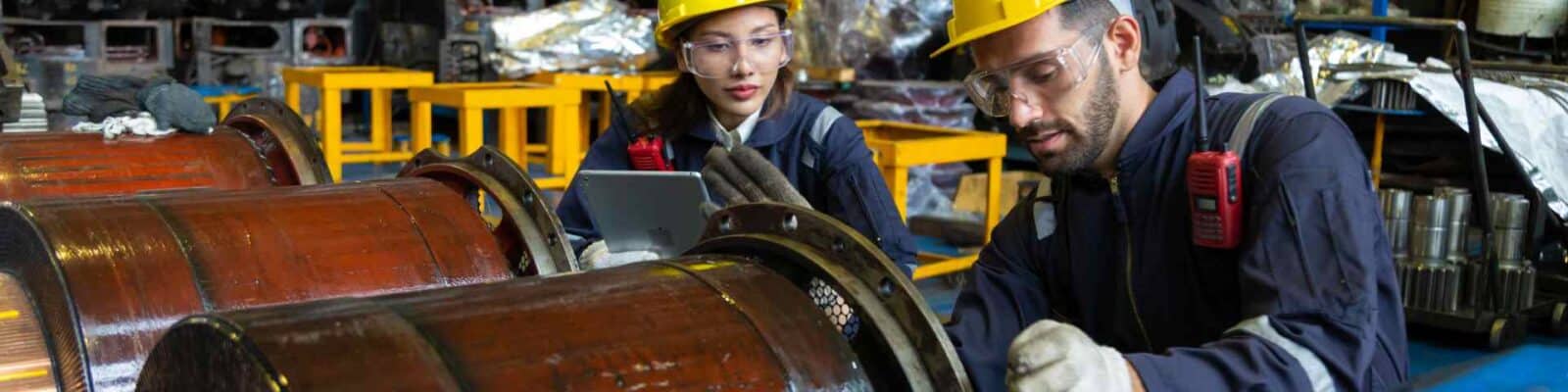
Two workers with helmets inspecting heavy machinery as part of maintenance protocols.
Implementing a Strong Maintenance Culture
Training and Workshops
Building a robust maintenance culture starts with providing comprehensive training and hosting regular workshops. These initiatives equip staff with the necessary skills and knowledge to perform maintenance tasks efficiently. They also foster a culture of safety and precision within the workplace.
Regular training helps in keeping the team updated with the latest maintenance best practices, ensuring that everyone is aware of strategies to reduce maintenance costs.
Encouraging a Proactive Approach
Cultivating a proactive maintenance approach involves regular checks and prioritizing preventive measures over reactive ones. By promoting early interventions, businesses can mitigate potential risks before they culminate into larger problems.
This proactive stance not only improves operational efficiency but also contributes to improving workplace safety.
Rewards and Recognition
Introducing a system of rewards and recognition for teams that excel in maintenance tasks can further strengthen the maintenance culture. Acknowledging efforts motivates employees to maintain high standards in their work and encourages continuous improvement.
This system boosts morale and instills a sense of pride in their work, ultimately leading to better maintenance outcomes and a safer working environment.
Technology in Maintenance
Software Solutions for Maintenance Management
The integration of software solutions into maintenance management processes has radically transformed how tasks are executed. These solutions facilitate better scheduling, inventory control, and tracking of maintenance activities, enhancing operational efficiency.
Using modern software, organizations can streamline their maintenance operations, ensuring that resources are allocated optimally and maintenance schedules are adhered to consistently.
Use of IoT in Predictive Maintenance
The Internet of Things (IoT) has opened new avenues in predictive maintenance by enabling:
- Remote monitoring: Allows for continuous observation of equipment performance from any location.
- Real-time alerts: Immediately informs maintenance teams of any irregularities.
- Data analytics: Provides insights into equipment health and maintenance needs.
- Maintenance forecasting: Predicts future maintenance requirements based on current data.
- Reducing unplanned downtime: Minimizes unexpected stoppages thus enhancing productivity.
- Cost efficiency: Reduces total maintenance costs by preventing costly breakdowns.
Robotics and Automation in Maintenance
Robotics and automation technologies have revolutionized industrial maintenance by undertaking repetitive and hazardous tasks with precision. These technologies free human resources for more complex tasks and improve overall safety and efficiency in industrial environments.
Incorporating automation in maintenance not only enhances productivity but also ensures that maintenance tasks are executed consistently and with high accuracy.

Two industrial workers with safety helmets discuss production plans at a warehouse table.
Strategies for Cost-Effective Maintenance
Identifying Cost Drivers
To achieve cost-effective maintenance, it’s essential to identify and manage cost drivers. These include direct expenses such as labor, materials, and belt drive troubleshooting, as well as indirect costs associated with extended downtime.
Understanding these elements allows businesses to devise better strategies that minimize unnecessary spending and increase profitability.
Optimizing Resource Use
Optimization of resource use is a critical component of cost-effective maintenance strategy. By carefully planning and scheduling maintenance activities, organizations can ensure that resources are used efficiently without waste.
Additionally, optimization helps in streamlining operations, leading to reduced operational costs and enhanced performance of industrial systems.
Long-Term Financial Planning
Effective maintenance isn’t just about addressing current issues; it’s also about preparing for future needs. Long-term financial planning involves accurately forecasting maintenance expenses and setting aside funds to address anticipated needs.
This approach not only stabilizes operational budgets but also supports industrial supply chain optimization by ensuring that essential maintenance activities are financed without disruption.
Predictive Maintenance and Its Benefits
Advantages Over Traditional Methods
Predictive maintenance offers substantial benefits over traditional methodologies by focusing on real-time data and analytics to determine maintenance needs. Compared to preventive maintenance, it allows for more precise identification of potential issues.
This approach minimizes redundancy, ensuring maintenance efforts are concentrated where they’re most needed, leading to better allocation of resources and fewer disruptions in operations.
Tools and Techniques
Effective predictive maintenance relies on a variety of tools and techniques, such as:
- Vibration analysis: Detects abnormal vibrations indicating possible equipment issues.
- Thermal imaging: Identifies overheating components that may fail.
- Oil analysis: Provides insights into the condition of lubricants and internal wear of components.
- Acoustic monitoring: Helps to identify unexpected noises that could herald component failure.
- Laser shaft alignment: Ensures precision in rotating component alignment.
- Ultrasonic testing: Detects flaws in materials or welding seams.
Case Studies on Predictive Maintenance Success
Numerous case studies demonstrate the success and efficiency of predictive maintenance. These case studies reveal how companies have managed to save significant costs and increase equipment uptime by adopting predictive strategies.
Such successes underscore the value of predictive maintenance as a viable strategy for enhancing operational efficiency and financial sustainability in industrial settings.
Future Trends in Industrial Equipment Maintenance
Emerging Technologies
The future of industrial equipment maintenance is enriched by emerging technologies that promise significant advancements. Key technologies include:
- Artificial intelligence: Enhances decision-making processes by analyzing vast data sets.
- Digital twins: Replicate physical devices virtually for real-time monitoring and simulation.
- Augmented reality: Assists technicians with virtual guides and instructions during repairs.
- Machine learning: Helps in predicting equipment failures before they occur.
- 5G network integration: Facilitates the rapid transmission of maintenance data.
- Sustainability practices: Ensure environmentally friendly maintenance operations.
Impact of Industry 4.0
Industry 4.0 is revolutionizing maintenance strategies by integrating advanced technologies such as IoT and AI into operations. This shift allows for smarter, more efficient maintenance solutions that enhance lean manufacturing processes.
The impact of these advancements is profound, leading to increased operational efficiency, better control over equipment performance, and substantial reductions in maintenance costs.
Global Standards and Compliance
As globalization continues, adhering to global standards and compliance is becoming crucial for industrial operations. These standards ensure uniformity in maintenance practices across different regions and enhance the overall power transmission efficiency of equipment.
Complying with international standards not only assures quality but also opens new markets for businesses, thus contributing to their growth.
Frequently Asked Questions
The frequency of maintenance largely depends on the type of equipment and its operational conditions. Generally, a preventive maintenance schedule is determined by manufacturers based on usage hours and operational load.
Preventive maintenance helps to enhance equipment reliability, reduce the risk of unexpected downtimes, and increase operational efficiency. It also extends the lifespan of machinery and leads to cost savings over time.
Yes, predictive maintenance is cost-effective as it uses data-driven insights to anticipate equipment failures, allowing for timely interventions that reduce downtime and extend the life of equipment components.
Minimizing maintenance downtime involves proper planning, scheduling, and execution of maintenance tasks. Implementing predictive and preventive maintenance strategies can significantly reduce unexpected downtimes.
Key components include routine inspections, scheduled servicing, accurate record keeping, and continuous monitoring for identifying potential issues early.
Choosing the right maintenance software involves evaluating your specific operational needs, considering a system’s compatibility with existing technologies, and ensuring it offers comprehensive functionalities such as scheduling and tracking.
Common challenges include managing downtime, ensuring proper skills in the workforce, coordinating maintenance schedules, and accessing quality spare parts.
Effective maintenance practices significantly impact equipment lifespan by preventing premature wear, minimizing failures, and ensuring consistent operational efficiency throughout a machine’s lifecycle.