Introduction to the Importance of Workplace Safety Culture in Manufacturing
Improving workplace safety culture in the manufacturing industry is crucial for enhancing overall productivity and safeguarding employees. A robust safety culture not only reduces incidents but also fosters a positive working environment.
Defining Workplace Safety Culture
A workplace safety culture refers to the shared beliefs, practices, and attitudes that exist within a work environment regarding safety. This culture is reflected in how safety is prioritized and implemented across all organizational levels, from management to factory workers.
When the safety culture is strong, it leads to effective implementation of safety protocols in manufacturing. This means identifying potential hazards, training employees efficiently, and keeping safety at the forefront of daily operations.
Additionally, a well-defined safety culture emphasizes continuous improvement. Employees are encouraged to report hazards without fear of reprisal, leading to proactive safety measures that prevent future incidents.
Impact of Safety on Productivity
A strong safety culture has a direct impact on productivity. By minimizing workplace injuries, companies reduce downtime and avoid the costs associated with mishaps. Healthy employees are more productive, contributing to higher efficiency and output.
Moreover, implementing warehouse safety best practices helps streamline operations and avoid disruptions. This leads to a seamless workflow where employees can focus on their tasks without worrying about their safety.
Furthermore, a focus on material handling safety reduces the risks associated with operating heavy machinery, which is commonly used in manufacturing. By ensuring safe equipment handling, accidents are kept to a minimum.
Goals of Safety Culture Development
The primary goal of developing a safety culture is to create an environment where safety is a core value rather than just a compliance obligation. Organizations aim to integrate safety into every aspect of their operations.
Another essential goal is to reduce workplace injury prevention incidents through precise and impactful industrial safety training. By continuously training staff, companies can adapt to new challenges and changes in the manufacturing landscape.
Lastly, developing a strong safety culture aims to enhance employee morale. When workers see that their well-being is prioritized, they tend to be more satisfied and committed, resulting in a more harmonious workplace.

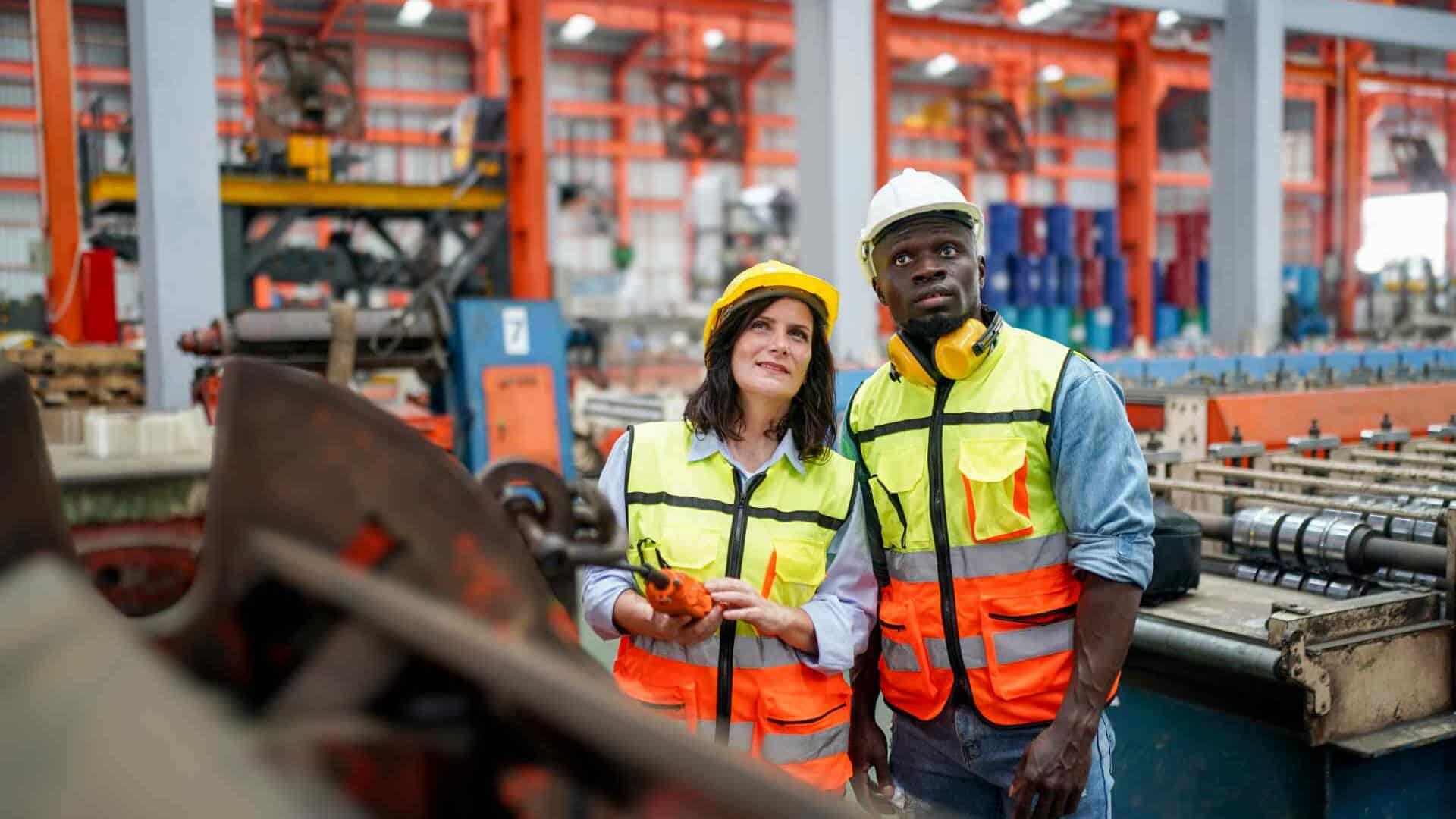
Industrial workers inspecting heavy machinery, ensuring operational and safety standards.
Strategies to Improve Workplace Safety Culture
Enhancing a safety culture requires strategic efforts in several areas, including employee engagement, leadership involvement, and effective communication. By focusing on these strategies, manufacturers can foster a safer and more resilient workplace.
Employee Involvement and Training
A critical strategy for improving workplace safety is thorough employee involvement in safety initiatives. Engaging workers through regular industrial safety training sessions ensures that they understand safety protocols and best practices.
Training should be interactive, allowing employees to voice their concerns and share their experiences. This participatory approach not only reinforces safety knowledge but also builds a community that values collective well-being.
Implementing a feedback system where employees can report hazards anonymously encourages a proactive approach to identifying and mitigating risks.
Safety Leadership and Management
Leadership plays a pivotal role in shaping a company’s safety culture. Leaders must demonstrate a commitment to safety through their actions and decisions. They set the tone for organizational expectations and standards.
Effective leaders ensure that safety is prioritized by allocating resources for safety programs and by actively participating in safety audits and meetings. By doing so, they foster a culture where safety is a shared responsibility rather than a delegated task.
Strong leadership also involves recognizing and rewarding safety achievements, which motivates employees to adhere to safety protocols consistently.
Communicating Safety Standards
Clear communication of safety standards is fundamental in promoting a culture of safety. This includes not only disseminating safety policies but also ensuring that all employees understand them. Regular briefings and updates help in maintaining awareness and compliance.
Utilizing various communication channels, such as newsletters, meetings, and digital platforms, keeps safety information accessible and top-of-mind.
Furthermore, complying with OSHA compliance ensures that safety standards meet legal requirements, thereby reducing the risk of penalties and improving overall safety.
Components of a Robust Safety Culture
Developing a robust safety culture involves several key components. These elements work together to create a safe and conducive working environment, reducing risks and improving operational efficiency.
Leadership Commitment
Leadership commitment to safety is the cornerstone of an effective culture. Leaders must not only endorse safety initiatives but also practice and support them in daily operations.
They should set high safety standards and involve themselves in safety activities, showing their dedication and influencing others to follow suit. A visible commitment from the top is crucial for instilling trust and motivating employees to prioritize safety.
By embedding safety into the strategic objectives of the organization, leaders can ensure that it receives the attention and investment it deserves.
Empowering Employees
A key aspect of a robust safety culture is empowering employees to participate actively in safety efforts. This empowerment can take various forms:
Get buy-in from all levels: Ensure that every employee understands the importance of safety and how they contribute to it.
Encourage reporting of hazards: Foster an environment where employees feel comfortable reporting hazards without fear of reprisal.
Promote open communication: Maintain open lines of communication between staff and management regarding safety concerns.
Foster a learning environment: Promote continuous learning and improvement in safety practices.
Empowerment leads to employees taking ownership of safety protocols, thus enhancing the overall safety culture.
Innovative Safety Programs
Introducing innovative safety programs is vital for maintaining an adaptive and effective safety culture. These programs should leverage current technologies and practices for optimal results.
Utilizing innovative methods, such as employing lean manufacturing principles, can significantly enhance safety processes by eliminating waste and reducing potential hazards.
Incorporating best practices from industrial supply chain optimization ensures that every aspect of operations considers safety alongside efficiency.
Continuously updating safety programs based on new data and employee feedback helps maintain their relevance and efficacy.

Yellow and black safety signage displayed prominently in an industrial warehouse.
Identifying and Addressing Barriers to Safety Culture
While building a strong safety culture is crucial, organizations often encounter challenges that hinder progress. Addressing these barriers is essential to sustaining safety improvements.
Resistance to Change
Employees might resist changes to safety practices, especially if they’re accustomed to existing procedures. Overcoming this resistance requires transparency and inclusion in the decision-making process.
Involving employees in developing new safety measures helps alleviate concerns and gains their commitment. Providing proper explanation and training aids in smoother transitions.
Recognizing and addressing the emotional component of change management is also crucial for minimizing resistance.
Inconsistent Practices
Inconsistencies in applying safety practices can lead to confusion and increase the risk of accidents. Standardizing safety protocols and ensuring uniform application across all departments is critical.
Regular audits and feedback loops can identify discrepancies and enforce compliance. This encourages a consistent application of safety measures throughout the organization.
Highlighting the role of PPE personal protective equipment in maintaining consistent safety standards is vital for uniformity in protection.
Lack of Investment in Safety
Organizations sometimes prioritize cost-saving over safety investment, which can lead to outdated equipment and insufficient training.
Investing in safety is an investment in productivity. The cost of accidents far outweighs the expenses of preventive measures.
Helping management understand the long-term benefits and cost-saving potentials, such as through strategies to reduce maintenance costs, can foster a mindset that prioritizes safety investments.
The Role of Technology in Strengthening Workplace Safety
Technology plays an integral role in enhancing safety in the workplace. By incorporating modern technological solutions, organizations can monitor, prevent, and respond to hazards more efficiently.
Safety Monitoring Technologies
Advanced safety monitoring systems greatly enhance an organization’s ability to track and manage safety issues. These systems include cameras, sensors, and software tools that provide real-time data.
Using bearing failure analysis allows for predictive maintenance, reducing the likelihood of equipment malfunctions that could lead to accidents.
Comprehensive monitoring helps in identifying areas of improvement and ensuring compliance with safety standards.
Automation for Hazard Prevention
Automation plays a crucial role in minimizing workplace hazards. Technologies that automate safety processes can prevent accidents before they occur:
Use of safety sensors: These provide real-time alerts in cases of hazardous conditions.
IoT for monitoring conditions: Ensures constant checks and balances over safety-critical elements.
Wearable safety devices: Such devices monitor workers’ vitals and environmental conditions.
Automated emergency responses: Quick responses can be triggered in the event of emergencies.
Additionally, power transmission efficiency improvements can prevent incidents by maintaining optimal functioning.
Digital Training Platforms
Digital platforms for training provide flexibility and accessibility, allowing employees to undergo safety training at their convenience. This not only enhances learning but also ensures a broader adoption of safety protocols.
Interactive modules, virtual simulations, and gamified learning experiences make safety training engaging and memorable.
These digital solutions support ongoing education and adaptation, essential components of a sustainable safety culture.

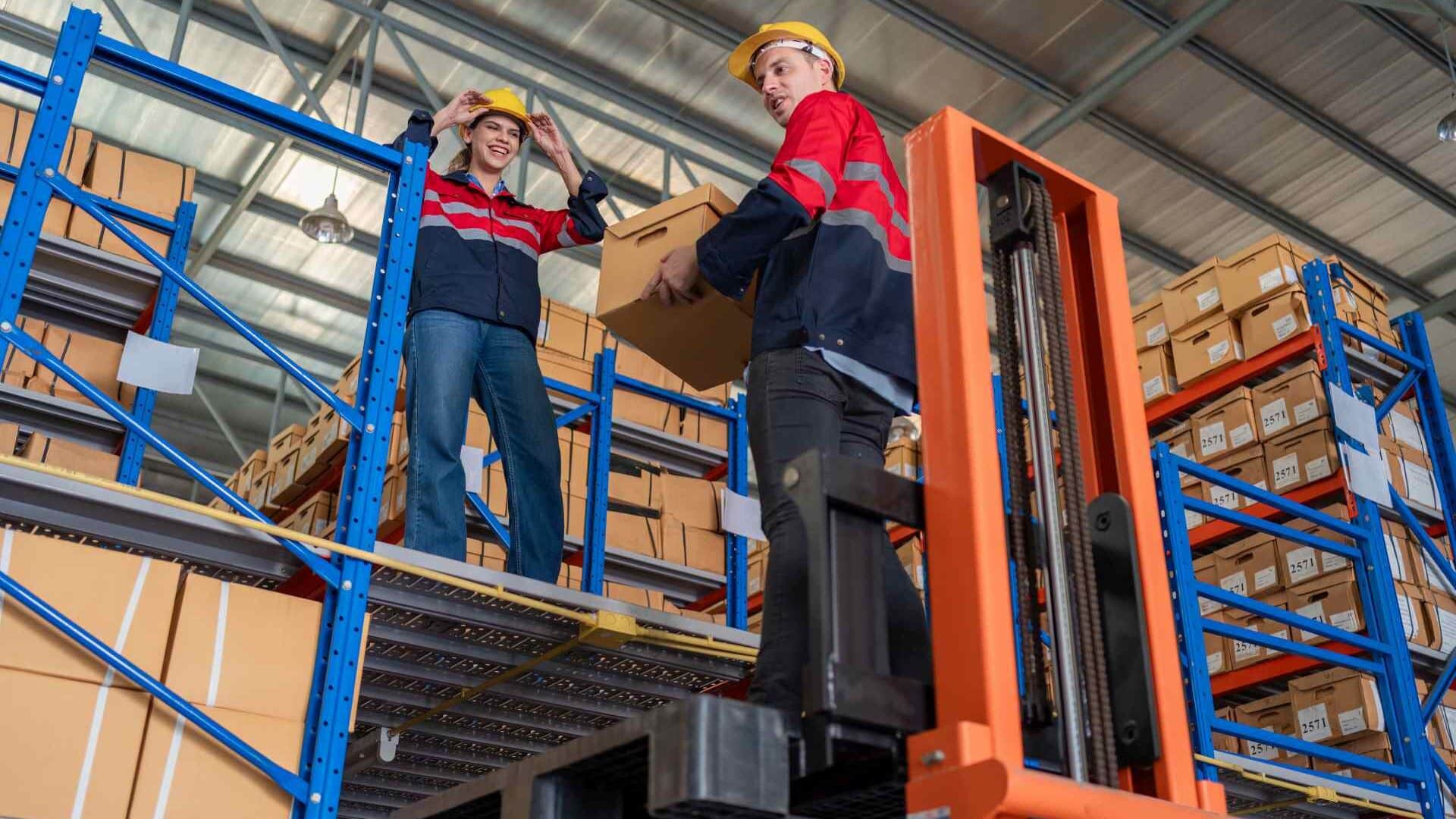
Workers in protective gear discussing safety protocols at an industrial construction site.
Benefits of Improving Safety Culture for Business Performance
Improving a company’s safety culture offers significant advantages in terms of business performance, influencing various aspects of operations and labor management positively.
Reduction in Incidents and Injuries
One of the most direct benefits of a strong safety culture is the marked reduction in workplace incidents and injuries. This not only minimizes disruption but also lowers the associated costs.
By implementing effective safety protocols, companies can ensure better protection for their employees, thereby reducing the frequency of accidents.
Effective use of fall protection equipment serves as a practical example of how targeted investments can lead to safer work environments.
Enhancement of Employee Morale
When employees know their safety is a priority, morale improves significantly. A safe workplace boosts confidence, making employees more satisfied and dedicated to their roles.
This sense of security leads to better employee engagement and retention, reducing turnover rates and fostering a positive organizational culture.
The resulting morale boost translates into a cooperative attitude, where employees actively support safety measures.
Increase in Operational Efficiency
A commitment to safety leads to improved operational efficiency, removing obstacles that can delay or disrupt processes.
Maintaining equipment through an effective safety culture ensures fewer malfunctions, thereby enhancing overall productivity and reducing downtimes.
Implementing successful strategies for equipment failure prevention is an illustration of how safety and efficiency go hand in hand.
Measuring and Evaluating Workplace Safety Culture
To ensure that a workplace safety culture is effective, it is crucial to have systems in place for measuring and evaluating safety protocols. This process involves regular assessments and using metrics to track progress and improvement.
Safety Audits and Assessments
Conducting regular safety audits and assessments is essential for maintaining high safety standards. These audits help identify weaknesses in existing protocols and provide a basis for necessary improvements.
Through regular evaluations, companies can ensure compliance with current safety standards and regulations.
Utilizing insights from workplace injury prevention strategies provides practical data to enhance audit effectiveness.
Key Performance Indicators
Implementing key performance indicators (KPIs) allows organizations to measure the effectiveness of their safety culture. Some important KPIs include:
Incident frequency rate: The rate of incidents in relation to the number of hours worked.
Safety training completion: The percentage of employees who have completed safety training.
Employee safety feedback: Insights from employees on current safety measures.
Risk management improvements: Measuring enhancements in handling risks.
Ensuring industrial equipment maintenance aligns with safety standards contributes significantly to KPI achievements.
Continuous Evaluation Methods
Constantly updated evaluation methods ensure that businesses don’t stagnate in their safety practices. By embracing new evaluation techniques and tools, they can continue to maintain and improve their safety culture.
Fostering an environment of accountability and responsibility aids in the consistent application of safety measures.
Combining these practices with a culture of learning and adaptability ensures that the organization remains at the forefront of safety culture.
Steps to Sustain Long-Term Improvements in Safety Culture
Sustaining improvements in a workplace safety culture requires a mix of consistent education, strategic leadership, and a commitment to a safety-first mindset. These elements work together to keep safety priorities alive across all organizational levels.
Creating a Safety-First Mindset
Embedding a safety-first mindset into the company’s culture starts with leadership. Leaders need to model safety-first behaviors and set an example for all employees to follow.
This mindset should be integrated into daily operations, including decision-making processes and the evaluation of business activities.
Encouraging open dialogue about safety and rewarding safe practices promotes a work environment focused on well-being.
Ongoing Safety Education
Continuous education keeps safety awareness current and relevant. How can companies effectively maintain ongoing safety education?
Regular workshops: Organized sessions that reinforce existing safety protocols and introduce new practices.
Safety simulations: Practical exercises that prepare employees for emergency scenarios.
Certification programs: Credentialing that ensures employees maintain a high level of expertise.
Weekly discussions and interactive tools continuously refresh employee knowledge and engagement.
Leadership’s Role
Effective leadership is critical in ensuring that long-term safety improvements are sustained. Leaders must remain informed about the latest safety developments and encourage a culture of continuous improvement.
They should provide the resources necessary for implementing safety measures and support initiatives that promote a strong safety culture.
By maintaining a visible presence in safety activities and being accessible for discussions related to safety concerns, leaders can foster a supportive environment where safety improvements are sustained.
Frequently Asked Questions
A strong safety culture encompasses leadership commitment, employee empowerment, consistent practices, continuous training, and innovative safety programs. Engaging leadership and ensuring all employees understand their roles in maintaining safety are central to fostering a positive safety environment.
Technology enhances workplace safety through real-time monitoring systems, automation, and digital training platforms. Safety sensors and IoT devices provide timely alerts, while digital tools and simulations offer accessible and effective training solutions.
Common barriers include resistance to change, inconsistent practices, and a lack of investment in safety. Overcoming these requires strategic planning and communication, ensuring consistent application of safety protocols, and proper allocation of resources.
Leadership sets the tone for safety culture by establishing safety as a priority and modeling appropriate behaviors. Committed leaders allocate necessary resources, engage in safety planning, and motivate employees to adhere to safety measures consistently.
Metrics such as incident frequency rates, safety training completion rates, and employee feedback are used to assess safety culture. These metrics help organizations identify areas for improvement and track progress over time.
Increasing employee involvement can be achieved by fostering open communication, encouraging hazard reporting, and involving employees in safety planning. Training and recognizing safety efforts also promote active participation in maintaining a safe workplace.
Long-term strategies include embedding a safety-first mindset, continuously updating safety education, and maintaining strong leadership involvement. Regular evaluations and adapting to new safety technologies also ensure sustained improvements.