Introduction to Fall Protection Equipment
Fall protection equipment plays a crucial role in ensuring the safety of workers in high-risk environments. Understanding the fall protection equipment available and adhering to OSHA compliance are essential for minimizing hazards and protecting employees from potential falls.
Defining Fall Protection
Fall protection encompasses a range of equipment designed to prevent workers from falling or to arrest falls during their occurrence. From harness systems to guardrails, selecting the appropriate system is vital for any business aiming to enhance industrial safety standards.
Industries such as construction and manufacturing rely heavily on these tools to ensure worker safety at height. Proper training and selection of the right gear can significantly reduce the risk of workplace injuries.
Regulatory Importance
Regulations established by organizations like OSHA mandate the use of specific safety gear to minimize risks. These regulations are designed to protect workers while ensuring companies maintain high safety standards.
Compliance with these regulations is not only a legal obligation but also a moral one, ensuring that workers return home safely each day. Businesses that prioritize OSHA compliance can cultivate a culture of safety and trust among their employees.
Consequences of Non-Compliance
Ignoring compliance can lead to severe penalties, including fines and legal action. More importantly, neglecting these crucial measures can result in injuries or fatalities, causing irreparable damage to a company’s reputation.
By staying informed and regularly updating safety practices, businesses can avoid such consequences and contribute to a safer working environment for all.

Close-up view of essential fall protection equipment secured to a worker's belt.
Overview of Fall Protection Equipment
Choosing the right fall protection equipment is imperative for different industrial applications. Each type of equipment serves a specific function and is suited for particular safety needs. Understanding these can help businesses make informed decisions and improve workplace safety.
Harnesses and Lanyards
Harnesses and lanyards are crucial in preventing falls. These devices are designed to safely support the weight of the worker and provide freedom of movement.
Proper selection involves ensuring compatibility with other PPE and personal protective equipment used in the workplace.
Regular inspections and maintenance are also crucial for ensuring the effectiveness of these devices in preventing workplace injuries.
Guardrails and Nets
Guardrails and safety nets are passive forms of protection that prevent workers from reaching edges or catching them if they fall. These are commonly used in construction environments where workers operate at significant heights.
Maintaining these structures and ensuring their robustness is vital for lasting protection. Their integration into a broader safety strategy can enhance overall safety measures.
Companies must invest in quality products and ensure regular inspections to maintain their integrity.
Anchors and Lifelines
Anchors and lifelines provide essential support by securing fall protection systems to a stable structure. These components are crucial for systems designed to arrest falls at a given worksite.
Considering the work environment’s specifics, such as altitude, workload, and surrounding conditions, is essential when installing such equipment.
Regular inspection and timely replacement of worn parts can significantly improve their efficiency and reliability.
OSHA Standards for Fall Protection
Understanding and adhering to OSHA standards are crucial for maintaining workplace safety regarding fall protection. These regulations set forth the minimum requirements for safety practices in various industries.
Understanding OSHA’s Role
OSHA plays a pivotal role in implementing standards that safeguard workers from fall-related injuries. By establishing guidelines, OSHA ensures that workplaces meet a minimum level of safety.
OSHA’s oversight guarantees that businesses are consistently updating their safety protocols to match modern requirements and technologies.
Following OSHA guidelines can prevent injuries and fatalities, thereby protecting workers and fostering a culture of safety.
Key OSHA Standards
Before diving into specific standards, it’s essential to understand that fall protection requirements vary based on the industry. The following points highlight some key standards:
- 1910 General Industry: Covering regulations for workplace safety in general industries.
- 1926 Construction: Focused on safety standards applicable to construction sites.
- Anchorage Requirements: Specifications for anchors used in fall protection systems.
- Harness Inspection: Standards for regular inspection routines of safety harnesses.
- Training Certification: Mandates for certification of employees in the use of protective equipment.
- Equipment Maintenance: Guidelines ensuring proper upkeep of safety equipment.
- Accident Reporting: Protocol for reporting incidents when they occur.
- Regular Audits: Required audits to ensure ongoing compliance.
Compliance with these standards ensures that businesses operate safely, reducing the risk of accidents and legal consequences.
OSHA Compliance Checklist
To achieve compliance, businesses should regularly consult an OSHA checklist. This tool assists in evaluating whether the necessary precautions and equipment inspections are comprehensive and in place.
Businesses should collaborate closely with safety professionals to ensure their practices are up to par with regulations.
Utilizing such checklists, companies can mitigate risks and safeguard employee health and safety effectively.
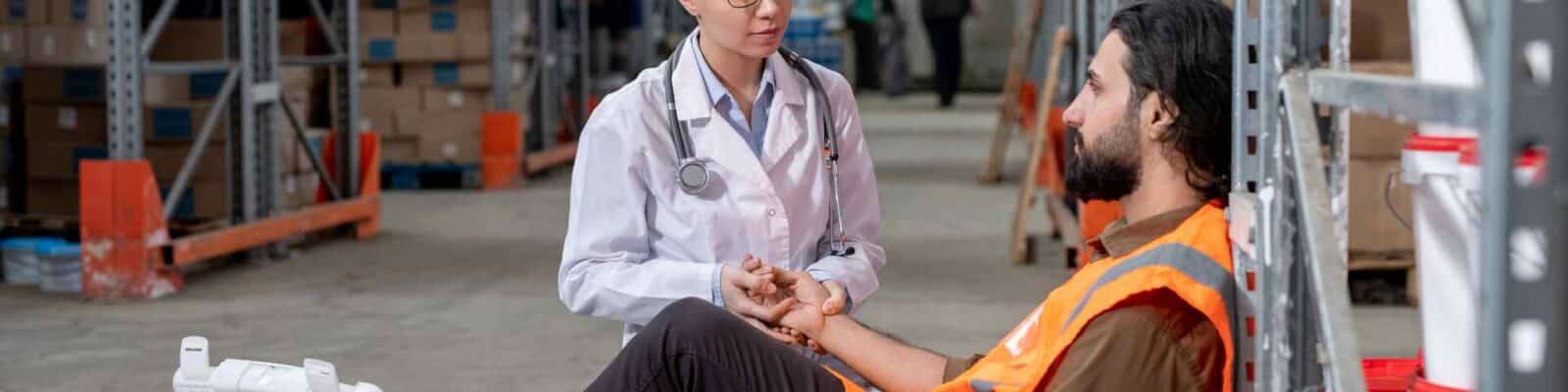
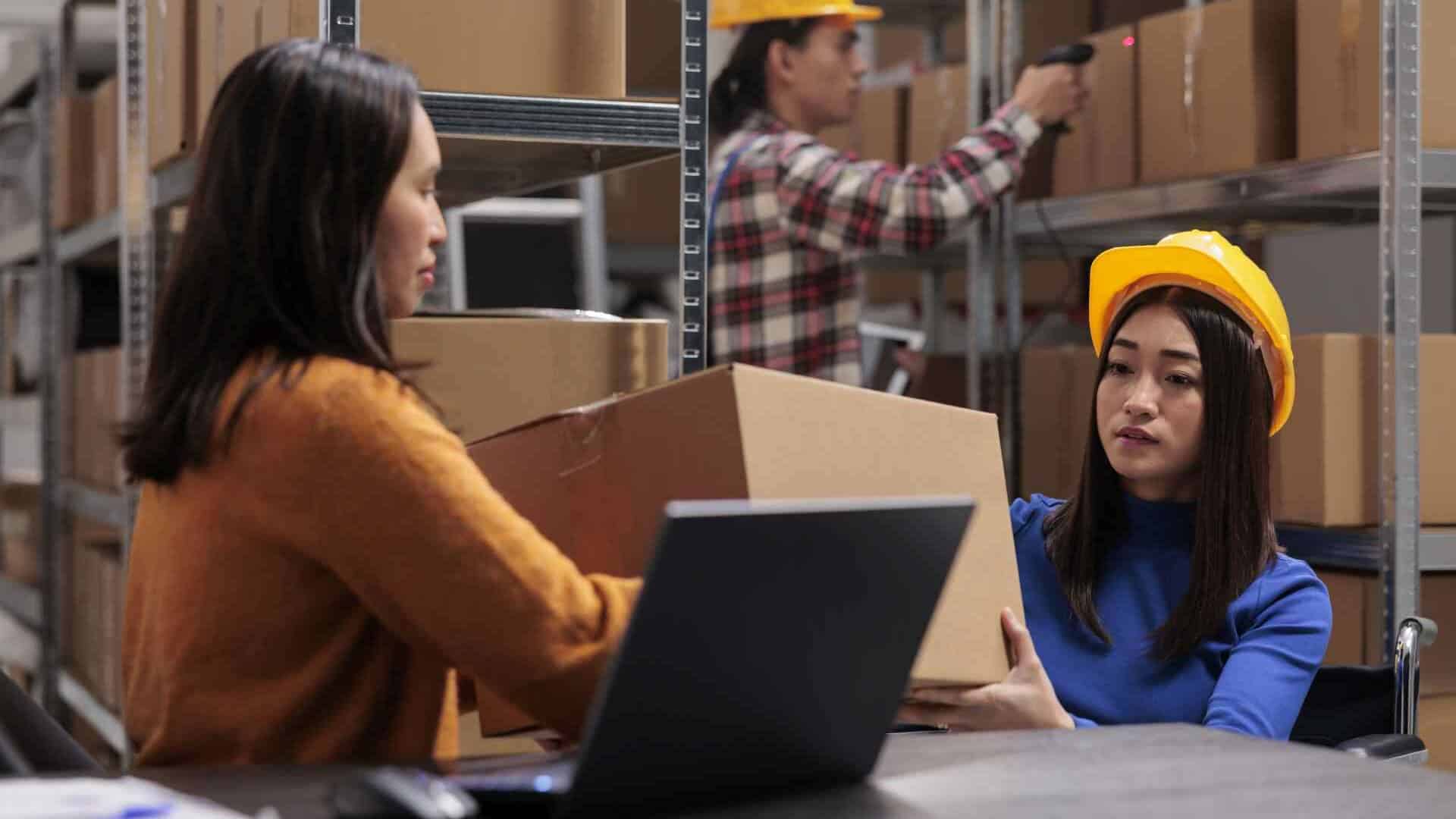
Safety officer discussing injury prevention with an employee in a warehouse setting.
Selecting Fall Protection Equipment
Choosing the right fall protection equipment requires assessing specific job requirements. By understanding the tasks at hand, businesses can tailor their safety solutions to both reduce risks and improve efficiency.
Job Analysis
Effective equipment selection starts with a detailed job analysis. Understanding the potential hazards and demands of a task helps in selecting the most appropriate equipment.
This analysis involves looking at the specifics of the work environment and the tasks carried out, ensuring compatibility with existing safety practices.
Collaborating with experts in industrial safety training can provide insights into better safety practices tailored to specific industries.
Environmental Considerations
When selecting equipment, various environmental factors must be considered. These can significantly impact the choice of appropriate fall protection systems:
- Weather Conditions: Choosing equipment that can withstand varying weather is crucial.
- Equipment Compatibility: Ensuring new equipment integrates smoothly with existing systems.
- Work Height: Identifying equipment suitable for the height at which work is performed.
- Fall Distance: Considering the potential fall distance impacts the choice of equipment.
- Worker Experience: Experienced workers may require different safety measures compared to novices.
- Material Durability: Prioritizing durable materials that withstand harsh conditions.
- Budget Constraints: Balancing between cost and quality to maximize safety without overspending.
Evaluating these factors ensures well-informed decisions that enhance safety.
Employee Training Needs
Once equipment is selected, proper training must follow. Employees need to understand how to use fall protection effectively, which involves comprehensive training programs.
Training should be tailored to fit the specific needs of the workforce, incorporating practical exercises and regular safety reviews.
Ensuring employees receive regular equipment maintenance updates helps keep them informed and prepared in the use of safety systems.
Maintaining Fall Protection Equipment
Regular maintenance of fall protection equipment is vital for continued safety and compliance. Businesses should follow a routine maintenance schedule to ensure the reliability and effectiveness of their equipment.
Regular Inspection Procedures
Inspections are a cornerstone of equipment maintenance. They involve checking every component of the fall protection system for potential faults.
- Visual Checks: Regularly inspecting equipment visually for conspicuous damages.
- Harness Integrity: Ensuring harnesses remain in sound condition without tears.
- Lanyard Flexibility: Checking for elasticity and damage that may impede performance.
- Anchor Checks: Ensuring anchors and attachment points remain firmly secured.
- Lubrication of Moving Parts: Maintaining smooth operation through regular lubrication.
- Damage Reporting: Comprehensive logging of any defects found during inspections.
These inspections are pivotal for mitigating risk and ensuring safety compliance.
Record Keeping Essentials
Thorough record-keeping practices are necessary to track maintenance activities and inspections. These records provide valuable insights into the equipment’s usage and help identify when upgrades are needed.
Accurate records can be vital in case of safety investigations, ensuring transparency and adherence to standards.
Digitizing records can enhance accessibility and organization, making it easier to manage equipment data.
Upgrading Old Equipment
Over time, equipment undergoes wear and tear; thus, upgrading should be a priority. By replacing outdated or non-compliant equipment, businesses can enhance their safety protocols.
Consultation with manufacturers and safety experts can guide when and how to replace or upgrade old equipment.
Regular assessments of equipment conditions and performance help determine appropriate upgrade schedules, aiding in extending the lifespan of current systems.
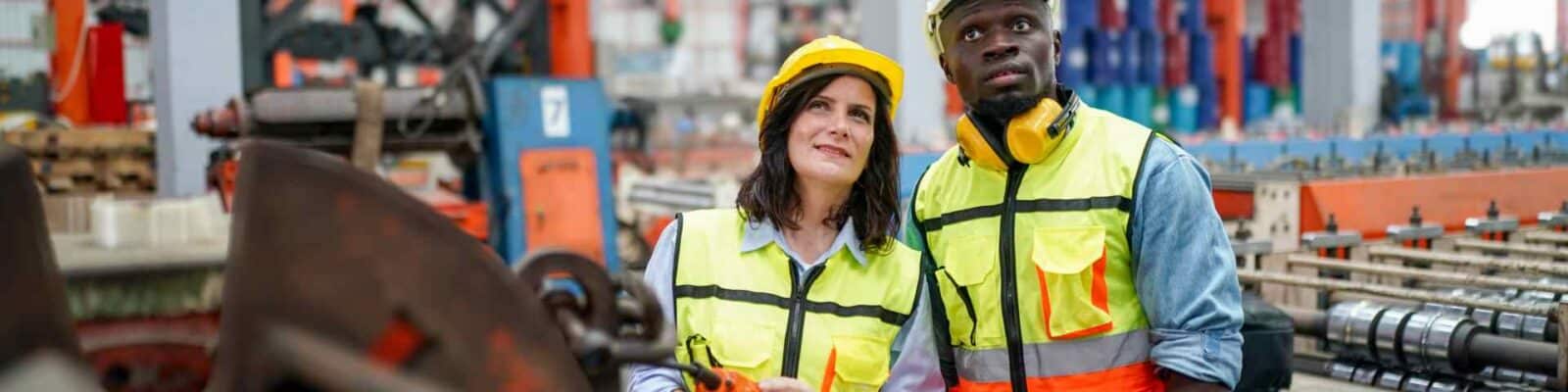
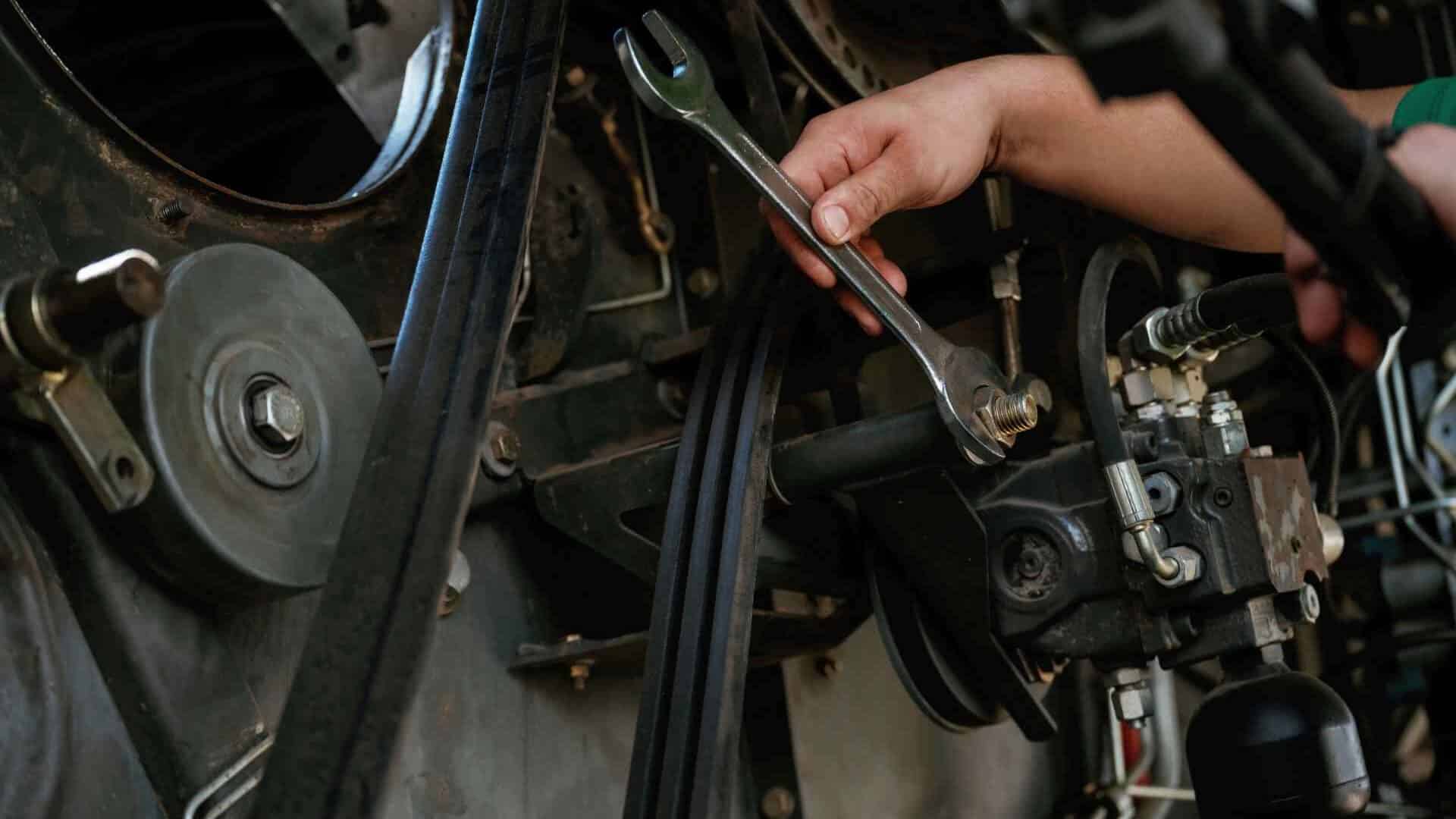
Industrial workers inspecting heavy machinery, ensuring operational and safety standards.
Creating an Effective Fall Protection Plan
An effective fall protection plan is essential for worker safety. This involves a strategic approach that aligns with industry regulations and addresses unique workplace needs.
Risk Assessment Strategies
The foundation of any protection plan is a thorough risk assessment. Identifying potential hazards allows for the design of a tailored safety strategy that mitigates identified risks.
Utilizing varied assessment tools and techniques, including regular safety audits and equipment checks, ensures a comprehensive understanding of workplace risks.
Engaging employees in the assessment process can also provide unique insights into everyday challenges and potential solutions.
Customized Safety Plans
A customized approach ensures safety plans are specifically tailored to the distinct requirements of a workplace. This involves aligning plans with both regulatory demands and specific job tasks.
Customization should consider factors such as worker skills, job complexity, and specific environmental conditions.
Regularly reviewing and updating safety plans helps maintain relevance, improving effectiveness in real-world application.
Continual Process Improvement
Safety is a dynamic process, and continual improvement is key to maintaining high standards. This involves regular evaluation of safety equipment and processes to identify areas for enhancement.
Implementing feedback loops where workers can report issues or suggest improvements ensures ongoing refinement of safety measures.
Process improvement should also include leveraging supply chain optimization strategies to ensure timely availability of, and access to, fall protection gear.
Advancements in Fall Protection Technology
The realm of fall protection equipment is continually evolving, with technological advancements offering new ways to augment safety and operational efficiency.
Smart Safety Equipment
Smart technology is transforming fall protection systems. Enhanced sensors and real-time alerts provide workers with timely feedback to prevent mishaps.
By integrating wearable devices, companies can track safety compliance and increase worker accountability.
These innovations not only improve safety standards but also contribute to overall efficiency in industrial operations.
Integration with Technology
Technology integration in safety equipment has revolutionized how risks are managed. Recent advancements include:
- Wearable Sensors: Offering real-time data on worker movements and environment.
- Real-Time Monitoring: Providing immediate feedback to enhance responsiveness.
- Data Analytics: Analyzing trends to predict and prevent potential incidents.
Such technological integrations are setting new benchmarks in workplace safety standards.
Predictive Maintenance Tools
Predictive tools are enhancing the reliability of fall protection systems. By anticipating failures before they occur, businesses can be proactive rather than reactive.
Implementing these tools reduces downtime and extends the life of safety equipment by addressing issues long before they compromise safety.
Combining technology with regular maintenance ensures fall protection gear continues to uphold the highest safety standards.
Conclusion: Prioritizing Ongoing Education and Adaptation
Ensuring worker safety requires commitment to continuous learning and adapting to new safety standards. This philosophy is essential in a constantly evolving industrial environment.
Importance of Continuous Learning
Education and training must remain at the forefront of any safety initiative. Integrating ongoing education programs about equipment and maintenance practices ensures that all staff remains updated on the latest safety protocols.
Continual learning promotes a culture of safety, ensuring that employees and companies remain responsible and aware.
Inviting experts to workshops can boost understanding and engagement, further reinforcing safety standards.
Adapting to Regulatory Changes
Regulations are bound to change, necessitating adaptability in how companies respond to these changes. Staying abreast of equipment reliability and compliance assures ongoing safety.
Being proactive in updating equipment and practices not only preserves compliance but also prevents costly penalties associated with non-compliance.
Establishing a dedicated team to monitor changes can ensure swift adaptation and implementation of new standards.
The Future of Fall Protection
Looking ahead, fall protection technologies will continue to advance to meet rising safety standards and demand. Innovations will likely improve efficiency, integrating seamlessly into existing safety programs.
As technologies evolve, businesses must be ready to adopt and adjust strategies to incorporate these advances effectively.
Ultimately, a forward-thinking approach can safeguard employee well-being and ensure industry-leading safety practices remain intact.
Frequently Asked Questions
The most critical factor in selecting fall protection equipment is the specific work environment and job requirements. This consideration ensures that the equipment provides the necessary protection and functionality to prevent falls effectively. Matching the equipment with the hazards of the task, such as work height and complexity, is essential.
Fall protection equipment should be inspected regularly, ideally before each use, to detect wear and tear or damage. Scheduled inspections, as recommended by the manufacturer, should also be adhered to for a more comprehensive assessment, ensuring continued safety and compliance.
Recent changes in OSHA fall protection standards focus on enhanced safety protocols and stricter compliance measures across various industries. These updates aim to address emerging risks and incorporate technology advancements, ensuring that companies align practices with the latest safety trends.
Yes, specific training requirements exist for using fall protection gear. OSHA mandates comprehensive training programs to ensure employees are educated in the correct use, maintenance, and inspection of safety equipment. Such training helps minimize risks associated with falls by ensuring competent usage.
To ensure your fall protection system is up to code, regular audits and inspections are required. These checks ensure compliance with the latest safety standards set by OSHA. Engaging professional safety consultants can also provide insights into maintaining adherence to current regulations.
Technological advancements in fall protection systems include wearable sensors, real-time monitoring devices, and data analytics. These innovations enhance safety by providing immediate feedback and analytics to predict and prevent potential falls or equipment failures.
Determining the right fall protection system involves analyzing job-specific hazards, environmental factors, and regulatory requirements. Consulting with industry experts and performing a comprehensive risk assessment helps tailor the system to address the unique challenges of your workplace.